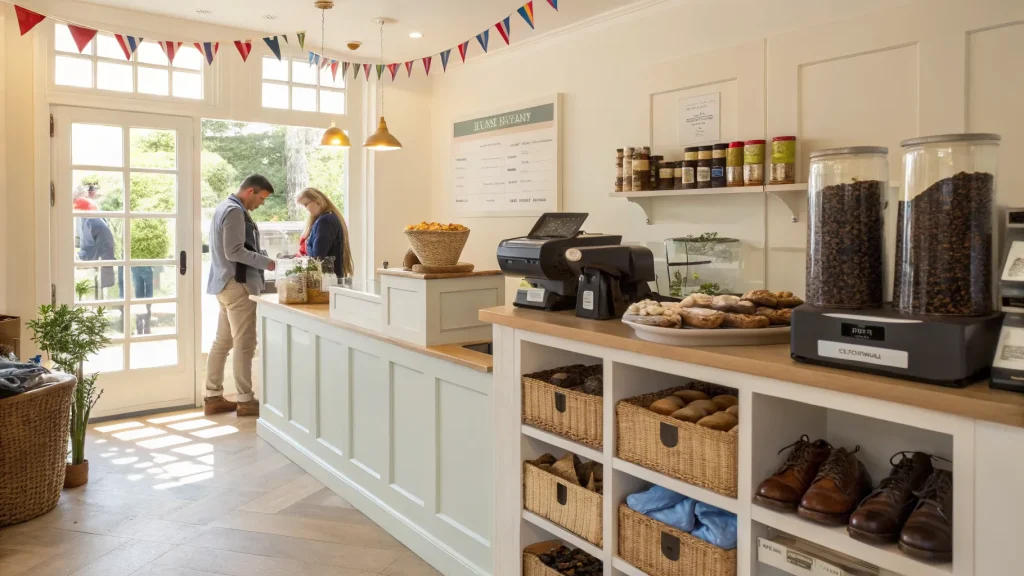
Small retailers on Britain’s High Streets are quietly changing how people pay. A new survey suggests that 14% of small traders have gone card only in the last year, pointing to a clear shift in day‑to‑day commerce. The move affects quick purchases from coffee to cobblers, and it is reshaping the checkout experience on local streets.
“Some 14% of small High Street traders have gone card only in the last year, a survey suggests.”
The rise of contactless payments, higher handling costs for cash, and tighter margins are all part of the story. So are bank branch closures and security worries, which make taking cash harder for small shops. The trend lands in the middle of a public debate about who gets left out when cash is not an option.
Table of Contents
ToggleWhy Shops Are Turning Off Cash
For many owners, card-only policies are a practical fix. Card readers speed up lines and reduce staff time on counting notes and coins. Less cash on site lowers the risk of theft. Depositing cash has also become harder as local branches have shut or cut hours. When time is money, a long trip to bank takings can be the difference between profit and loss.
Fees play a role. Payment providers charge merchants on each card sale, with rates that can be tough for tiny transactions. Yet many shopkeepers say the math still favors cards once they add up security, insurance, staff time, and transport to deposit cash.
Who Loses When Cash Is Refused?
Consumer groups warn that card-only policies put pressure on people who rely on cash. That includes older shoppers, people managing tight budgets, and anyone without easy access to banking. Cash helps some customers control spending and avoid fees. When a local newsagent or cafe says “no cash,” those customers might walk away.
Disability advocates also stress that digital systems do not work for everyone. A chip-and-PIN pad can be a barrier for some users. Mobile wallets assume a working phone, a signal, and a charged battery. None of that is a given.
What the Rules Do—and Do Not—Cover
UK regulators have moved to protect access to cash, with new powers aimed at keeping withdrawal and deposit services within reach. Banking hubs and the Post Office help fill gaps where branches have closed. But there is a key limit. The rules help people get cash, not spend it. There is no requirement for a business to accept notes and coins, unless it is bound by specific contract terms or local policies.
That gap explains why this trend matters. If more shops refuse cash, customers who hold it may find fewer places to use it, even if ATMs remain nearby.
The Fee Fight in the Background
Merchants complain that card processing costs have crept up and are too complex. Small stores lack the clout to negotiate better terms. Card networks and banks argue that digital payments are fast and secure, and that fraud protection and chargeback systems have real costs. Policymakers watch this tug‑of‑war because fees influence prices and acceptance choices on the High Street.
Some trade bodies want simpler, lower rates for micro-payments. Others push for clearer rules on fee increases. Without relief, more small shops may feel nudged into setting minimum spends or surcharges, or into card-only policies that simplify their books.
How Owners Balance Choice and Cost
Many shopkeepers say they prefer to keep both options, but they face hard trade‑offs. They need speed, safety, and lower admin. They also want loyal customers to feel welcome. A few practical steps can ease the tension:
- Set a low minimum for cards to keep tiny purchases viable.
- Offer discounts for off‑peak cash handling windows.
- Post clear signs about accepted methods at the door and till.
- Use the Post Office for deposits to cut travel time.
What to Watch Next
Seasonal spikes, such as summer festivals and December shopping, could nudge more traders to go digital for speed. If fee pressure grows, expect louder calls for intervention. On the other hand, any renewed push to protect cash users could bring local pledges to keep notes and coins welcome at core community services.
The figure is small but telling: one in seven small High Street traders adopting card-only in a single year signals a payment map in motion. The next moves will hinge on processing costs, access to deposit services, and customer feedback. For now, shoppers should check the door before they queue. And small shops will keep doing the same math each night—what saves minutes, saves money.