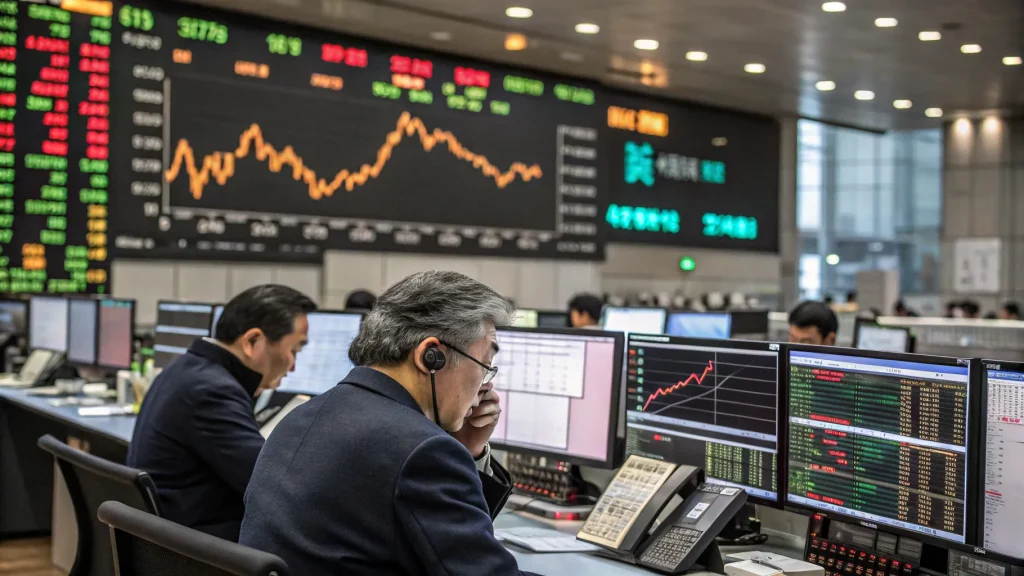
Global markets are on edge as investors prepare for a decisive week in the Iran conflict, weighing the odds of a diplomatic breakthrough against the risk of fresh escalation. Trading desks from London to Dubai are repositioning across oil, bonds, and currencies as geopolitical risk intensifies and headlines move prices in minutes.
The core question is simple and urgent: Will negotiators clinch an agreement that cools tensions, or will the standoff deepen and ripple through energy supplies and shipping lanes? The stakes are high for inflation, central banks, and corporate earnings, not just traders.
Table of Contents
ToggleWhy This Week Matters
Geopolitical flashpoints often simmer for months, then turn in days. Market veterans say timing is everything when troop movements, sanctions, and back-channel talks overlap. A deal could ease oil supply fears and calm freight routes. A flare-up could disrupt crude flows and insurance costs in key waterways.
“Investors head into what could be the most consequential week of the Iran conflict, scrambling to position for binary outcomes: an imminent deal or further escalation.”
That blunt framing captures the mood. Liquidity can thin when event risk looms, making price swings sharper. Options markets typically react first, with traders paying up for protection as confidence in a single path fades.
Energy, Freight, and Inflation Risks
Oil remains the pressure valve. History shows that supply fears tied to the Gulf can push crude prices higher even without a physical outage. In 2019, suspected attacks on tankers raised shipping insurance and rattled energy markets. In early 2020, the U.S. strike on Qassem Soleimani sent crude up in a hurry before easing.
The Strait of Hormuz, which handles a large share of global seaborne oil, is the chokepoint to watch. Any threat to transit can raise costs for shippers and importers. That, in turn, can feed inflation just as many central banks are trying to guide borrowing costs lower.
Refiners and airlines are especially sensitive. Higher jet fuel or diesel prices dent margins and consumer demand. Emerging markets that rely on imported energy can also face currency pressure if crude oil prices spike.
How Investors Are Positioning
Traders are building defense and offense at the same time. They are leaning on hedges but keeping dry powder for a relief rally if diplomacy wins out.
- Oil: Buying call options and reducing short exposure to guard against a price surge.
- Bonds: Adding high-grade government debt as a safety trade if risk assets wobble.
- Currencies: Watching safe havens like the U.S. dollar and Swiss franc for inflows.
- Equities: Rotating into energy and defense stocks while trimming travel and shipping.
Some funds prefer to wait. Event risk can eat into returns if positions are mis-timed. Sitting in cash or ultra-short bonds offers flexibility when headlines are the main driver.
Two Paths, Two Market Reactions
A negotiated de-escalation would likely bring a quick drop in implied volatility. Oil could give back a risk premium. Freight and insurance rates might ease. That would support airlines, shippers, and consumer-sensitive stocks. Bond yields could tick higher if growth hopes revive.
An escalation would likely do the opposite. Crude could jump. Energy equities and defense names might gain. High-yield credit could soften as investors demand more compensation for risk. Safe-haven demand might lift U.S. Treasurys and gold.
Either path will test central banks. A shock to energy prices can delay interest-rate cuts. A calming of tensions can speed up policy easing, especially where growth has cooled.
What History Suggests
Past Middle East shocks often delivered short, sharp market moves, with outcomes tied to supply. When barrels kept flowing, prices settled sooner. When shipping risk spiked, volatility lingered. That pattern may hold, but the backdrop today includes tighter inventories in some regions and leaner spare capacity, which can amplify moves.
Investors also remember that miscalculation is a risk. Even when both sides want to avoid conflict, incidents at sea or misread signals can raise the temperature quickly.
What To Watch Next
Markets will track three signals closely:
- Diplomatic traffic: Any sign of talks moving from back-channel to public framework.
- Maritime security: Insurance premiums, shipping advisories, and convoy activity.
- Energy flows: Export volumes, refinery runs, and inventory data for hints of stress.
Corporate guidance will follow. Energy firms may discuss capital spending and hedging. Airlines and logistics groups will update fuel and route plans. Banks will brief clients on liquidity and collateral needs if volatility jumps.
The next few days could reset market tone for the quarter. A deal would lift a cloud over inflation and growth. A setback would test risk appetite and policy patience. For now, traders are keeping positions tight, hedges active, and eyes on the tape. The message is clear: prepare for big moves, and move fast when the path becomes clear.