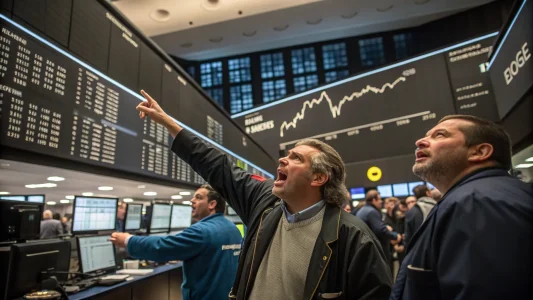
As artificial intelligence fuels mega-cap stock gains, some investors worry their index funds are now tied too tightly to Big Tech. Many are looking at equal-weight S&P 500 exchange-traded funds as a way to spread risk without abandoning the market. The move reflects a debate over how to stay diversified while AI winners dominate returns.
The concern has a simple core. Market-cap index funds give more weight to the largest companies. In 2024 and 2025, AI leaders helped push the top seven names to roughly a third of the S&P 500’s value. That raises questions about concentration, even for investors who want broad exposure.
Worried you’re too exposed to AI and Big Tech through your index funds? Equal-weight S&P 500 ETFs are a potential solution, but they have their downsides.
Table of Contents
ToggleAI Concentration Risks Come Into Focus
AI-linked giants have powered a long run. Their earnings growth, cash flow, and buybacks have dominated headlines. For cap-weighted investors, that success brings bigger positions in a narrow group of stocks. If those leaders stumble, broad-market funds could feel it faster than expected.
Concentration is not new. Market leadership tends to cycle. In the late 1990s, tech weight swelled before a long reset. The recent surge echoes that pattern, though balance sheets and profits are stronger today. Even so, the math of cap-weighting means gains and losses hinge more on a small set of firms.
How Equal-Weight Funds Work
Equal-weight S&P 500 funds give each company the same slice of the portfolio. A small industrial stock gets the same weight as a trillion-dollar tech giant. Funds typically rebalance each quarter, trimming winners and adding to laggards to get back to equal positions.
This structure reduces mega-cap exposure and increases mid-cap influence. It also spreads sector risk, since no one industry can dominate through a handful of outsized names. Investors who want broad U.S. equity exposure without heavy tech concentration often see this as a simple fix.
- Reduced concentration: Less tied to mega-cap swings.
- Systematic rebalancing: “Buy low, sell high” discipline.
- More mid-cap tilt: Greater exposure to smaller companies.
Performance Trade-Offs And Costs
There’s no free lunch. Equal-weight funds can lag during mega-cap rallies, as seen over the last few years. When the largest tech names run, cap-weighted funds usually win on performance. Equal-weight shines more when market breadth improves and smaller companies lead.
Costs are another factor. Expense ratios for equal-weight ETFs tend to be higher than those of ultra-low-cost cap-weighted funds. More frequent rebalancing raises trading costs and can increase taxable distributions in a brokerage account.
Tracking differences also matter. Equal-weight funds do not mirror the sector weights of the headline S&P 500. Investors may see higher exposure to cyclicals like industrials and financials, and lower exposure to high-margin tech and communication services. Volatility patterns can differ as a result.
What The Shift Could Mean For Portfolios
A move to equal-weighting changes the drivers of returns. It adds more company-specific risk because each firm is sized the same, regardless of market value. It also adds a mild value and size tilt, which can help during recoveries led by smaller or cheaper stocks.
Investors considering the switch might blend approaches. Some keep a core cap-weighted fund for tax and cost efficiency, then layer a smaller equal-weight position to reduce concentration. Others use equal-weight in tax-deferred accounts to manage distribution issues.
Other Ways To Dial Down Big Tech
Beyond equal-weight strategies, there are innovative alternative investments that can help investors achieve diversification while addressing tax efficiency and market risk.
Equal-weight is not the only tool. Investors can also:
- Increase small-cap or mid-cap exposure with dedicated funds.
- Use sector-neutral strategies that cap single-stock weights.
- Add international stocks to limit U.S. mega-cap dominance.
- Set guardrails, such as maximum position sizes across holdings.
Outlook And What To Watch
AI investment shows few signs of slowing, but leadership can rotate fast. Key signals include breadth indicators, earnings revisions for smaller companies, and credit conditions that matter for mid-caps. If market gains widen, equal-weight funds may narrow the gap or take the lead. If mega-caps keep outrunning the field, cap-weighted funds will likely keep their edge.
The takeaway is simple. Equal-weight S&P 500 ETFs can reduce Big Tech concentration and add balance, but they bring higher costs, more turnover, and different risks. For investors uneasy about AI-heavy exposure, a blended allocation or a clear rebalancing plan can strike a better match with long-term goals. Watch fees, taxes, and the performance drivers you’re signing up for—and make sure the mix fits your risk tolerance, not the latest headline.