I am Taylor Sohns, CEO of LifeGoal Wealth Advisors, a CIMA and a CFP. The recent spike in gas prices is not random noise. It is tied to conflict, strategy, and the psychology of public pressure. The fastest way to hit public opinion is through the price board at your local gas station. That board moves markets and minds. Today, I explain why the surge at the pump is happening, what tactics are at play, and how to think about your money in a period of rising energy costs.
Table of Contents
ToggleThe Strategy: Turning the Pump Into a Pressure Point
Energy is leverage in a conflict. Iran understands that very well. When soldiers clash, markets move. But oil markets move faster than most headlines. The reason is simple. Oil prices translate into daily life in a visible way. Every driver sees it. Every delivery truck pays it. Every grocery shelf feels it in time.
In this conflict cycle, the tactic is clear. Go after public sentiment by going after energy. The focus is not just military targets. It is infrastructure and chokepoints that feed the global economy. Think refineries. Think shipping lanes. Think the narrow sea routes where oil leaves the Persian Gulf.
The result has been the second-fastest one-week spike in gas prices on record. That is not by accident. It is a play designed to make voters and consumers feel the cost of war. Pain at the pump becomes pressure on policy.
View this post on Instagram
Why the Targets Matter
Iran is the world’s eighth-largest oil producer. Hitting or threatening producers and pathways around it is a fast way to stress supply. Here is what matters about the targets named in this conflict:
- Saudi Arabia: One of the world’s top producers. Its refineries are critical to turning crude into usable fuel. A hit here strains refined product supply.
- Iraq: A large producer with fields and export routes that feed global demand. Disruption pushes futures higher fast.
- United Arab Emirates and Kuwait: Both are major producers with port and pipeline links. Even a threat to their flow can lift prices.
- The Strait of Hormuz: This 20-mile-wide channel between Iran and Oman is a choke point. About a fifth of the world’s oil supply moves through it in normal times.
When markets fear a squeeze at these points, traders bid up prices. Refineries pay more. Distributors pass it on. You see it on your receipt by the end of the week.
How a Chokepoint Becomes a Global Price Spike
Oil moves like water through a series of pipes. Block one pipe and pressure builds across the system. The Strait of Hormuz is that kind of pipe. Ships carrying crude from producers like Saudi Arabia, Iraq, Kuwait, and the UAE use it to reach global buyers. Disruption here is a stress test for the whole system.
Even the threat of closure can be enough. Insurance premiums on tankers jump. Ship schedules change. Some cargoes wait. That lost time is lost supply. Markets price it fast, because futures markets pay for risk today, not after the fact. You do not need a full stop to send prices higher. A credible threat is often enough.
Gas Prices Are Billboards—And Weapons
American consumers look at the pump as a scorecard. That is why gas prices are such powerful tools. They shape how people feel about the economy and about policy. That is the point here. If the goal is to cool support for military action, lifting gas prices is a direct line to the kitchen table.
“Gas prices rise like rockets and fall like feathers.”
That line describes the behavior you are seeing. When risk spikes, prices jump. When risk fades, prices drift lower. Supply chains take time to heal. Refineries book feedstock weeks in advance. Retail tanks empty at different rates. The “rocket and feather” effect is not a myth. It is how the system works.
Wars Have Costs You Feel Right Away
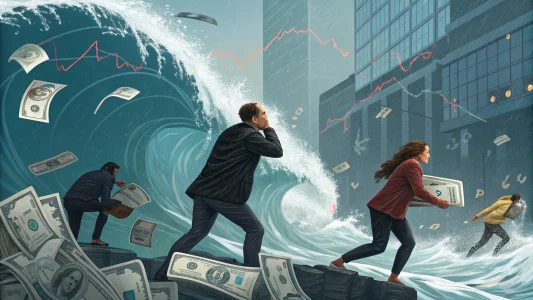
Wars do not just change maps. They change invoices. Fuel powers transport, food, heating, and manufacturing. When oil prices surge, companies with thin margins feel it fast. Some can pass the cost on. Others cannot. That pressure can flow into job postings, wage talks, and even local taxes.
We have seen this pattern before. In 1973, an oil embargo sent prices surging and weighed on growth. In 1990, the Gulf crisis drove a sharp but shorter spike. In 2003 and 2011, conflict and unrest pushed prices higher too. Each case had its own mix of supply loss and fear. The details change. The mechanism does not.
The Psychology Behind the Pump
There is a reason the attack on energy works. People notice fuel first. Many pay for it weekly. It is visible, repeatable, and easy to compare. A 30-cent jump stands out in a way a change in interest rates does not. That effect shapes consumer mood.
Consumer mood shapes politics. Political shifts shape policy and military choices. This is the feedback loop. It explains why energy infrastructure is a recurring target. You are not just paying more for gas. You are looking at a message.
Why Prices Can Stay High for a While
There is often a lag between the start of a conflict and a return to stable prices. A refinery knocked offline cannot restart instantly. Shipping lanes do not unclog overnight. Even after the shooting stops, there is a messy return to normal. Traders wait for proof that supply is safe. That waiting keeps a cushion in prices.
Refined products also have their own bottlenecks. The world has cut refinery capacity in some regions in recent years. Maintenance cycles are rigid. Switching between gasoline, diesel, and jet fuel is not trivial. That makes it harder for a system under stress to catch up.
What This Means for Your Budget
Prepare for higher prices to hang around. Not forever, but for longer than feels fair. Households can take small steps that add up over months. Keep your tires inflated. Combine errands. Look for loyalty discounts. Price shop with apps. These may sound basic. They work when fuel costs move fast.
For heating and electricity, check your utility plan. Some allow you to lock a rate for a period. If you drive long distances for work, ask about mileage support or remote options during spikes. Small levers matter when oil shocks hit.
What This Means for Investors
Rising energy prices can lift energy producers, pipeline firms, and some refiners. But not every company in these groups benefits the same way. Producers with low costs and light debt tend to do well in up-cycles. Refiners benefit if product spreads widen, but outages can cut volumes. Transport firms face higher fuel bills unless they pass on surcharges. Airlines, delivery services, and chemicals often see margin pressure.
Diversification helps in shock periods. Broad funds blunt single-name risk. If you hold bonds, understand how inflation readings can shift rate paths. Energy shocks can lift headline inflation, which can push yields up and bond prices down in the short run. On the flip side, if growth slows, longer-dated yields may fall later. Volatility is the norm in these phases.
Cash flow planning matters. Keep an appropriate emergency fund. Avoid forced selling due to short-term stress. Revisit your risk level. Make moves with a plan, not a headline.
Signals to Watch
Energy markets run on signals. You do not need to track every tanker. Focus on a few key markers that tell you whether pressure is rising or easing:
- Strait of Hormuz shipping updates: Are vessels moving freely, and are insurance costs stabilizing?
- Refinery status in the Gulf region: Are critical plants restarting or staying offline?
- Global inventory reports: Weekly data from major agencies can show whether stocks are building or drawing.
- Crude spreads: The gap between near-term and later-dated futures shows how tight the market is right now.
- Pump price trends: A plateau or small decline over several weeks can signal easing stress.
Why This Tactic Is “Smart” Strategy
It may look chaotic when missiles fly and prices jump. But there is logic here. Taking on a militarily stronger set of opponents head-on is risky. Shifting the fight to public opinion is cheaper and faster. Oil is the lever for that shift.
Raise fuel prices, and support for conflict can cool. Lower support, and political leaders feel the heat. That is the path of least resistance for a weaker player. It is not about winning outright. It is about changing the odds by changing the mood back home.
What I Expect from Here
Do not count on a quick drop in prices. Even if headlines improve, systems take time to recover. Gas prices tend to “fall like feathers” because wholesalers and retailers wait to confirm that lower costs will last. They manage inventory bought at higher prices. They avoid whipsaw losses if another shock hits. That patience slows the descent.
Watch for de-escalation signals tied to energy. A secure shipping channel, stable refinery runs, and falling freight insurance can open the door to lower prices. Until then, plan for a higher baseline and manage the pieces you can control.
Key Takeaways
This conflict is not only about missiles and borders. It is also about messaging and pressure. Energy is the medium. The targets are supply routes and refineries. The audience is you, me, and every person who glances at a price sign on the drive home.
“Wars have consequences.”
Those consequences show up fast in energy. They ripple through budgets and balance sheets. As a planner and investment analyst, my advice is steady and simple: keep perspective, manage cash flow, and avoid reactive bets. Price spikes end. But they can last long enough to do damage if you do not have a plan.
I will continue to track the conflict’s effect on oil, gas, and inflation. The goal is not fear. It is clarity. You can make better choices when you know what forces are in play and how they reach your wallet. That is the work.
Frequently Asked Questions
Q: Why do gas prices jump faster than they fall?
Retailers adjust up quickly to cover higher replacement costs and protect thin margins. On the way down, they wait to confirm that lower wholesale prices will stick. Inventory bought at higher prices must also clear, which slows the decline.
Q: How does a disruption near the Strait of Hormuz affect me if I live far away?
Oil is a global market. If a key route tightens, buyers bid against each other for barrels from other regions. That lifts worldwide prices. Even if your local fuel is refined nearby, the crude feeding it becomes more expensive when global supply is under stress.
Q: What practical steps can households take during a fuel price spike?
Plan errands to reduce miles, keep tires inflated, compare station prices, and look for loyalty discounts. Review your utility plan for rate options. If work requires long drives, ask about temporary mileage support or remote days to offset costs until prices ease.