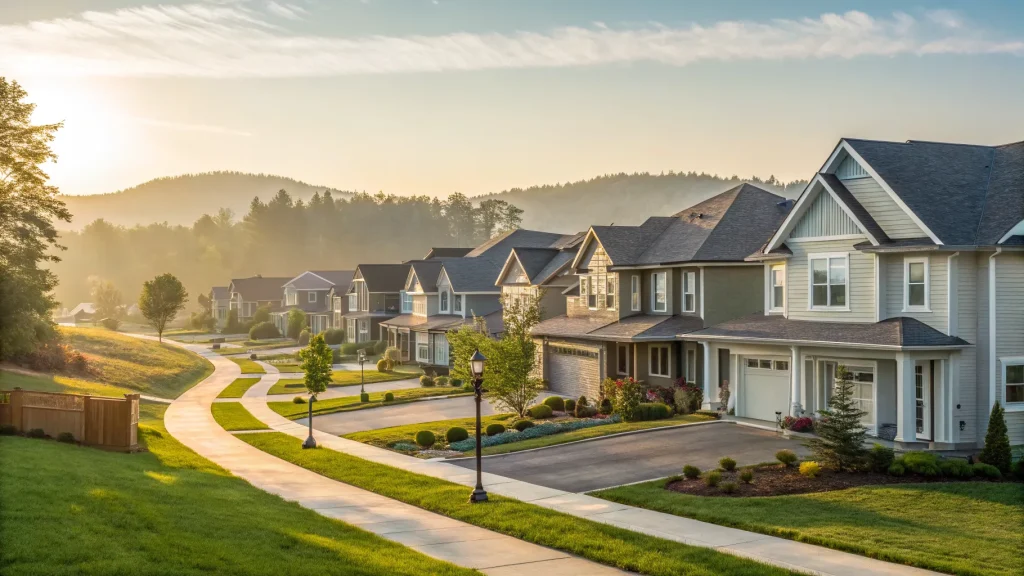
Homebuilders are floating a plan to build up to one million lower-cost houses for first-time buyers, with private investors footing the bill and the label “Trump homes” attached to the effort. The proposal, described by people familiar with the talks, seeks to ease the nation’s affordability crunch by boosting supply for entry-level buyers. The idea arrives as prices, high borrowing costs, and tight inventory keep many would-be owners on the sidelines.
Homebuilders reportedly proposed a “Trump homes” program backed by private investors to build up to 1 million affordable homes for first-time buyers amid affordability challenges.
The concept, still at the pitch stage, pairs large-scale private capital with builders to deliver smaller, modestly priced homes. Supporters say this could help close the gap between demand and supply for starter homes. Skeptics want details on financing, site selection, and how “affordable” would be defined.
Table of Contents
ToggleWhy Builders Are Targeting Starter Homes
Starter homes have become scarce. Builders shifted to larger, higher-margin houses during recent years of rising costs for land, labor, and materials. Many households now find themselves priced out as monthly payments jumped with higher mortgage rates and limited inventory kept prices elevated. First-time buyers face steeper down payments and stricter debt limits, which makes small differences in price or interest rates matter a lot.
Industry data in recent years has shown that the share of first-time buyers fell as rates climbed and construction lagged population growth. Rental prices climbed too, making it harder to save. This is the space the proposed program targets: smaller footprints, lower list prices, and standardized designs that can be built at scale.
How a Private-Backed Push Could Work
The pitch centers on private investors providing upfront capital to speed construction and lower per-unit costs. Builders could batch land purchases, standardize materials, and streamline permitting where possible. In theory, that cuts timelines and reduces prices.
- Bulk financing may reduce carrying costs for builders.
- Standard plans can shorten approvals in some jurisdictions.
- Scaled procurement can trim materials and logistics expenses.
But the model has hurdles. Local zoning and permitting can stall even the best-funded projects. Infrastructure needs—roads, water, schools—add costs that someone must cover. If “affordable” units rely on subsidies, those would need to be identified. If not, builders must hit price points buyers can reach with current wages and borrowing costs.
The Politics of a “Trump Homes” Label
Branding the effort as “Trump homes” signals a bid to link housing supply with a headline name. Backers may see value in high visibility if it draws investor interest and local attention. Critics may view the label as polarizing, especially in cities where approvals depend on nonpartisan planning boards.
Housing policy often spans federal, state, and local lines. Any large-scale plan would need cooperation from municipalities on zoning, density, and infrastructure. Tying the effort to a political brand could help in some places and hurt in others. That tension may shape where projects break ground.
Key Questions That Will Decide Impact
The promise of a million homes is eye-catching, but the math must add up. Observers are watching for specifics:
- Pricing: What target sales prices make a home “affordable” for a first-time buyer today?
- Financing: Will investors accept lower returns in exchange for scale and speed?
- Locations: Are sites near jobs and transit, or far from services, raising commute costs?
- Mortgage Access: Will lenders offer flexible products for smaller, lower-cost new builds?
- Timeline: How fast can lots be permitted, serviced, and built at volume?
Affordable for whom is the defining test. A plan that misses income realities will not move the needle, no matter the headline number.
What It Could Mean for the Market
If executed, an influx of entry-level homes could ease pressure on prices in some regions and help renters transition to ownership. It could also push competitors to add smaller models and rework subdivisions. Suppliers might see steadier orders, lowering volatility in materials costs.
But concentration risk is real. Building too many units in the wrong places can leave inventory sitting, which tightens credit for future projects. Regional coordination—matching new supply with job growth—will be critical.
The proposal signals that builders and investors see opportunity in the starter-home gap. The plan’s success will depend on clear price targets, local approvals, and disciplined rollout. If those pieces fit, first-time buyers could gain new options. If they do not, the housing crunch will outlast the headlines. Watch for pilot communities, financing terms, and city-level approvals as the next signs of whether this bold pitch can break ground.