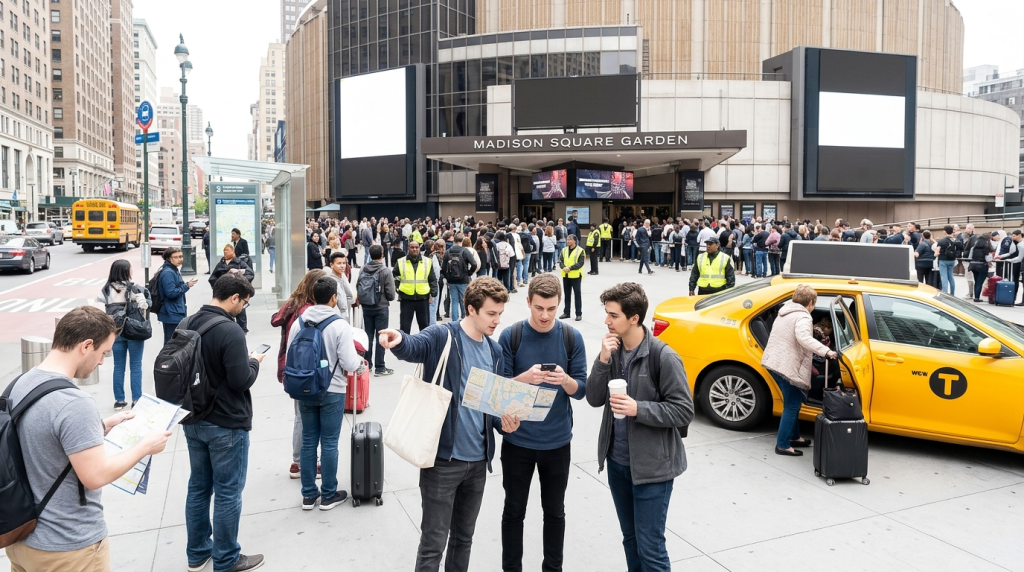
Harry Styles’s latest Madison Square Garden takeover has renewed debate over whether extended arena runs shift more touring costs onto fans. The New York engagement reflects a wider move toward concentrated shows, which can reduce travel for artists while asking audiences to make the trip.
The model can offer practical gains for performers, venues, and local businesses. Yet it may also leave distant fans paying for transportation, hotels, and meals on top of tickets. The stage stays put. The audience does the touring.
Table of Contents
ToggleWhy Arena Takeovers Appeal to Artists
Traditional tours move performers, crews, sets, instruments, and equipment between cities. Each stop adds transport, labor, setup, and scheduling demands.
A long run at one venue changes that equation. Production equipment can remain installed, crews avoid repeated setup work, and performers face fewer travel days. A venue also gains a steady attraction that can draw visitors over several nights.
Madison Square Garden offers an unusually powerful setting for this approach. Its New York location provides access to a large local population and travelers from other regions.
Styles’s takeover fits a residency-style format, though arena engagements differ from permanent casino or theater residencies. The central idea is similar: keep the show in one place and sell multiple dates.
Fans Face Costs Outside the Ticket
The debate is not limited to ticket prices. Concentrated performances can create added expenses for anyone who does not live near the host city.
- Airfare, rail tickets, fuel, and local transportation
- Hotel stays or other lodging
- Meals and fees during the trip
- Time away from work, school, or family duties
Those costs can make access less equal. A nearby fan may travel home after the concert. Another may need to fund an entire weekend around the same performance.
This is why critics describe the strategy as a transfer of touring costs. The artist’s production travels less, while some fans travel farther. The shift is not absolute, since many attendees may live in or near New York. Still, geography can decide who can afford to attend.
Styles’s Madison Square Garden takeover is “part of a trend that some say transfers the cost of touring to fans.”
The Economic Trade-Off Is Complicated
Residency-style runs are not automatically worse for audiences. Multiple dates can give fans more chances to secure tickets. A stable production may also reduce logistical risks and avoid some costs tied to moving a major show.
There is no guarantee, however, that savings will reach ticket buyers. Prices depend on demand, seat location, fees, resale activity, and how tickets are released. A popular artist in a major city can still command high prices.
Host cities may benefit from visitor spending at hotels, restaurants, and shops. Smaller markets face the other side of that bargain. If more artists favor a few destination venues, fans elsewhere may see fewer local concerts.
Environmental effects add another wrinkle. Fewer trucks and tour flights could reduce production travel. Yet thousands of individual fan journeys may offset some of those gains. Without detailed travel data, firm conclusions would be premature.
What the Industry Should Watch
The key question is whether arena takeovers remain occasional events or become a standard strategy for major acts. Their appeal is clear when demand can support many nights in one building.
Promoters and artists could ease concerns through clearer pricing, varied ticket levels, and advance scheduling that gives travelers time to plan. Adding regional engagements would also spread access more widely.
Styles’s New York run shows both sides of the model. Concentrated shows can simplify a demanding production and turn one venue into a major destination. They can also make participation depend on a fan’s location and travel budget.
The next measure of success should therefore extend past sold-out dates. The industry must also examine who gets to attend, what they pay in total, and whether efficiency for performers creates a larger bill for everyone else.