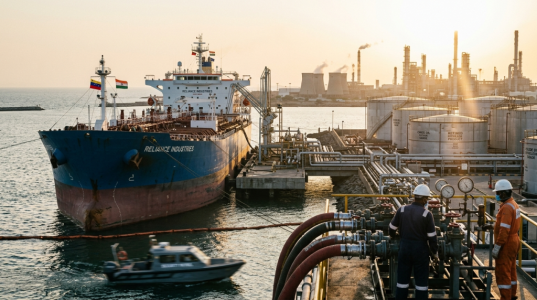
No hurricane-strength storms have formed in the Atlantic basin so far this year, offering a temporary pause that forecasters warn may not continue.
The lack of hurricanes signals limited activity to date, but it does not settle the outlook for the rest of the season. Atlantic conditions can change quickly, allowing storms to form or strengthen within days.
Table of Contents
ToggleA Quiet Start Offers Limited Guidance
Early-season calm can be welcome news for coastal communities, shipping companies and emergency agencies. However, activity during one part of the year does not reliably determine what follows.
Hurricane seasons often unfold unevenly. Long quiet periods may be interrupted by several storms developing close together. A slow opening can therefore create a false sense of security.
“No hurricane-strength storms have formed yet this year in the Atlantic basin, but the limiting activity isn’t certain to continue.”
The key word is yet. The current lull describes conditions that have already occurred. It is not a guarantee about the weeks or months ahead.
Why Atlantic Conditions Can Shift
Tropical systems need several ingredients to organize and strengthen. These include warm ocean water, moist air and winds that do not tear developing storms apart.
If one or more of those ingredients is missing, storm growth may be restricted. A later change in atmospheric or ocean conditions can remove that brake.
The Atlantic basin includes the Atlantic Ocean, Caribbean Sea and Gulf of Mexico. Conditions can vary widely across those areas, so one quiet region does not eliminate threats elsewhere.
- Storm development can accelerate after an extended lull.
- A single hurricane can cause severe damage, even during a quiet year.
- Coastal risk depends on a storm’s path, strength, size and rainfall.
Preparedness Still Matters
The absence of hurricanes reduces immediate pressure, but residents should not treat it as an all-clear. Preparation becomes harder once a storm is approaching and supplies are in high demand.
Households in exposed areas can review evacuation routes, insurance coverage and emergency plans. They can also check medicine, food, water, batteries and backup charging options.
Local officials and businesses face a similar calculation. Standing down too early could leave little time to protect property or move people. Staying prepared carries costs, but those costs are easier to manage before a warning is issued.
What to Watch Next
Attention will center on whether environmental limits remain in place. Any shift favoring storm formation could quickly change the season’s record and the risk for communities near the water.
Storm totals also tell only part of the story. Landfall location often matters more than the number of systems across the full basin. One well-placed storm can define an otherwise calm season.
For now, the Atlantic has avoided hurricane-strength activity. The useful takeaway is cautious, not comforting: the lull has bought preparation time, but it has not removed the threat.