An unexpected shift in the workplace is taking place: one in three Gen Z workers expect to retire early. The reason? Mostly because of anxiety, depression, ADHD, burnout, and chronic stress. That’s a huge red flag for a generation just starting out — both for their long-term financial security and for employers.
Here’s the truth Gen Z needs to hear: Early retirement because of health struggles is possible — but only with an intentional plan.
To put it bluntly, hope is not a strategy. Further, despite health issues, anyone can retire comfortably, provided they take action early and decisively.
Whether Gen Z workers are concerned about working into their 60s or individuals simply seeking more freedom and less burnout, now is the time to implement the right systems.
Even if your health shapes your timeline, this post will help you take the most important steps toward early retirement.
Table of Contents
ToggleStart Prioritizing Financial Stability Over Career Speed
As a group, Gen Z is often characterized as ambitious, entrepreneurial, and highly motivated. However, working long hours, hustling relentlessly, and multitasking chronically can quickly deteriorate health. In fact, with 74% of Gen Z experiencing at least moderate burnout levels in 2025, Gen Z has overtaken millennials as the most burned-out generation.
If health is already an issue, climbing the ladder shouldn’t be a top priority. The goal is to maintain a sustainable career.
Here’s where it starts:
- Choosing roles that offer stability and flexibility.
- Keeping your lifestyle in check as your income increases.
- Having an emergency fund equal to six to twelve months’ expenses.
- Being as aggressive with your mental and physical health as you are with your paycheck.
The effects of health complications can derail careers in an instant. When you have a strong financial foundation, though, you can take time off, change jobs, or reduce your hours without jeopardizing your retirement.
Lock In Disability Insurance—Short-Term and Long-Term
One of the best financial safeguards you can have if your health is affecting your ability to work is disability insurance. Even so, many Gen Z workers ignore it entirely, often because they don’t realize how important it is.
Short-term disability: Your first line of defense.
When you’re temporarily unable to work, short-term disability replaces 40–70% of your income. Typical coverage lasts 13 to 26 weeks and includes:
- Surgery and recovery
- Mental health treatment
- Pregnancy and postpartum leave
In case of a brief, unexpected health setback, this plan can keep you financially afloat.
Long-term disability: Protection for serious health disruptions.
When a long-term illness or condition prevents you from working, long-term disability kicks in. Depending on the retirement age, benefits can be calculated over a period of five, ten, twenty, or even up to 40 years.
As the rate of growth increases,
- Chronic anxiety
- Severe depression
- ADHD-related work challenges
- Autoimmune disorders
- Stress-related injuries
…the odds of needing long-term coverage are higher than ever.
What does disability insurance costs?
Disability insurance is a good idea if your company offers it, especially if it covers a portion of your premiums. If not, consider a private policy while you’re still young and healthy.
The cost of coverage depends on the level of coverage, age, income, health, occupation, and health status. In general, long-term disability (LTD) policies cost around $2,200 annually, which is about 1-3% of your salary.
Unlike employer-paid plans, most individual policies are tax-free.
Why disability insurance matters.
The purpose of disability insurance isn’t to prepare for the worst. It’s about financial stability. When health problems prevent you from working, this protection can prevent your retirement plan from collapsing.
Save Early—and Automate Everything
Gen Z has one huge advantage that many older generations don’t have: time.
When you start early, even modest contributions grow significantly. As an illustration of compounding’s power, here are some examples:
- What if you could save $300/month starting at 25 and earn 7%? At age 50, that’s about $360,000.
- What if you started at 35 instead? A little over $170,000.
- How about starting at 40? A mere $120,000.
While health issues may limit your ability to work later in life, consistent automated investing may help to offset those limitations.
Recommended priorities:
- 401(k). This is especially true if you get a matching contribution.
- Roth IRA. Withdrawals are tax-free, giving you a great deal of flexibility.
- Taxable brokerage account. A great way to access early retirement funds.
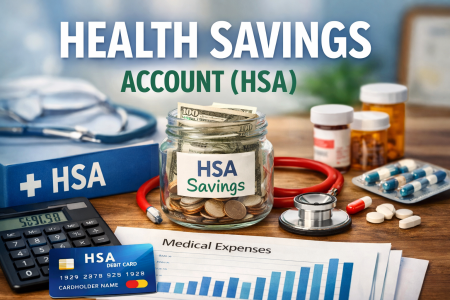
- HSA (if eligible). It offers triple tax benefits and can be used for retirement.
By automating your finances, you can avoid forgetfulness, emotional decisions, and burnout-driven overspending.
Build Skills That Allow You to Earn Money Flexibly
Consider diversifying your income streams if health concerns would restrict your traditional career.
Thanks to digital skills, side gigs, and freelancing, Gen Z is already ahead of the curve. However, most people treat them as optional. They shouldn’t.
When you create multiple income streams, especially flexible ones, you gain the following benefits:
- An alternative to full-time work if full-time work becomes too much.
- A bridge to early retirement.
- The ability to scale down your hours without losing all income.
The following are valuable flexible skills:
- Writing and content creation
- Graphic design and video editing
- Cybersecurity
- Software development
- Digital marketing
- Virtual assistance
- E-commerce
- Tutoring or coaching
This is your “future-proof retirement portfolio.” If health issues force a pivot, you won’t have to start over.
Take Healthcare Planning Seriously—Now, Not Later
Early retirement fears are heavily influenced by health concerns among Gen Z. However, rising healthcare costs are a greater financial concern, especially before Medicare coverage begins.
To stop working earlier, you need a plan for:
- Marketplace health insurance
- COBRA
- A spouse’s plan
- Health-sharing programs (for some people)
- HSAs to cover out-of-pocket expenses
One hospitalization can cost as much as a year’s worth of savings. Also, if you don’t build buffers early enough, a chronic condition can drain your finances.
Therefore, Gen Z should prioritize:
- Preventive care should be aggressively used.
- Utilizing mental health benefits provided by EAPs or free mental health visits.
- Preparing an HSA cushion as soon as possible.
- Understanding disability, FMLA, and employer benefits.
Don’t separate healthcare from your retirement plan. Instead, consider it an essential part of it.
Reduce Debt—and Avoid the High-Interest Trap
Debt becomes much riskier if you expect health problems to limit your ability to work into your 60s. It’s important to remember that every dollar of interest you earn is one you need to come up with later, when you may not be earning as much as you do now.
At $94,101, Gen Z has the highest average personal debt, far above millennials ($59,181) and Gen X ($53,255). In particular, Gen Z carries:
- According to Empower’s research, Gen Z borrowers pay significantly more in student loan interest ($526) than the average across all ages ($284).
- Credit card debt from inflation.
- Rising car payment averages.
- A buy-now-pay-later loan that stacks up without your awareness.
When planning a retirement or semi-retirement early, prioritize these steps:
- Paying off all high-interest debt
- Refinancing private student loans — if appropriate.
- Avoiding long-term car loans
- Keeping housing costs manageable
To retire early, you don’t have to eliminate all debt. It’s worthwhile, however, to eliminate debts that grow faster than investments.
Consider an “Early Retirement Lite” Model
Early retirement is not always all-or-nothing. A phased or flexible retirement may be the most realistic option for people with health challenges.
A few examples are:
- Working part-time after 45 or 50.
- Choosing freelancing over traditional employment.
- Project-based consulting.
- Temporary or seasonal employment.
- Teaching, coaching, or advising.
The benefits of this approach?
- Reduces physical and mental fatigue.
- It extends your savings.
- If you keep your employer’s insurance, it reduces your healthcare costs.
- Prevents premature withdrawals from retirement accounts.
Retirement is becoming more fluid for Gen Z, and that flexibility can actually make early retirement possible.
Put Mental Health at the Center of Your Financial Plan
People with anxiety, depression, and ADHD face more than just personal challenges; they have a direct impact on earnings, productivity, job satisfaction, and long-term work capacity as well.
By ignoring them, early retirement becomes less likely. The sooner you address them, the more likely you are to be able to retire early.
You can accomplish this by prioritizing:
- Therapy.
- Lifestyle improvements.
- Medication — when appropriate.
- Regular check-ins with mental health professionals.
- Work environments that support your wellbeing.
- Boundaries around work hours and technology.
In the event of ill health, financial plans crumble. As such, to protect your money, you must also protect your mind.
Final Thoughts
The challenges facing Gen Z are real, and their concerns about maintaining a lasting career into their 60s are valid. However, early retirement doesn’t just happen. Sustainable lifestyles are intentionally planned, protected, saved, and designed.
Whether you want to retire at 50 or simply avoid burnout by 40, what you do today will determine the flexibility of your future. It doesn’t take perfect health to retire early — you just need a plan that works for you. For more guidance, explore our comprehensive retirement planning hub and check your financial health score to see where you stand today.
FAQs
Is it realistic for Gen Z to retire early because of health issues?
Yes, if they begin planning now. Even individuals with chronic illnesses can achieve early retirement through disability insurance, early investing, and debt management.
What’s the biggest financial threat for Gen Z with mental health challenges?
Inconsistent income. Having anxiety, depression, or ADHD can disrupt work, reduce earnings, or cause job instability. Therefore, disability coverage and emergency savings are essential.
Should Gen Z prioritize retirement investing over paying off debt?
Both matter. Gen Z should first eliminate high-interest debt (like credit card debt), but they should also invest early, especially if their employer matches their contributions.
How much does Gen Z need to save to retire early?
Lifestyle, healthcare needs, and desired retirement age all play a role. For early retirement, a good benchmark is 20–30% of income, but even smaller percentages add up when you start in your 20s.
What are the best accounts for early retirement goals?
A mix of:
- 401(k) for employer match
- Roth IRA for tax-free income later
- HSA for health costs
- Taxable brokerage accounts for flexibility before age 59½
With this combination, both traditional and early retirement timelines are supported.
Image Credit: Helena Lopes; Pexels