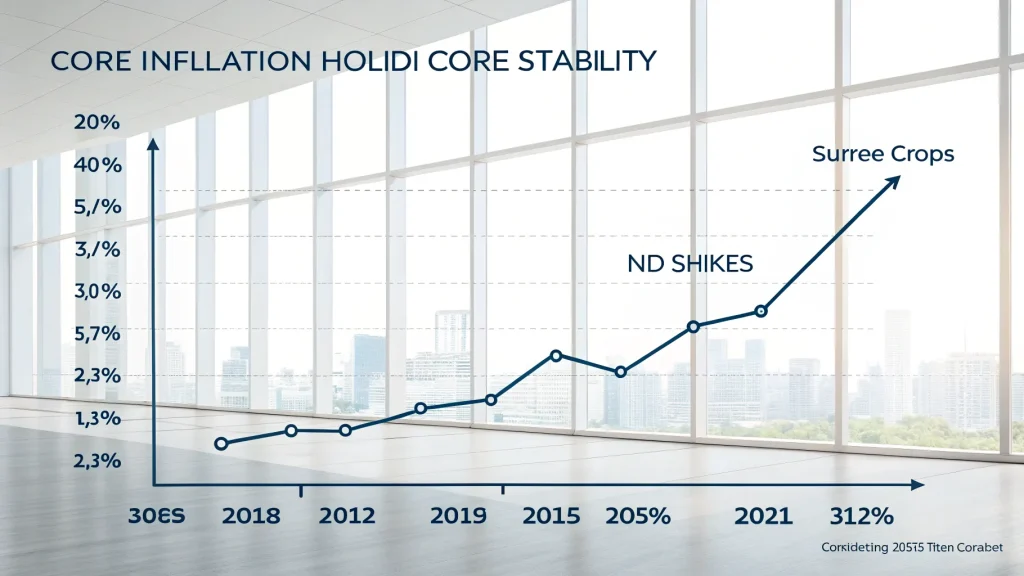
Core inflation held steady at 3% in October, matching a Reuters survey of economists and offering a clearer view of price pressures as the year closes. The steady reading, which excludes fresh food prices, hints that earlier cost spikes may be cooling, even as households and policymakers watch for signs of sticky inflation. The data was released this week and aligns with market expectations, easing fears of a sudden re-acceleration.
“Core inflation, which strips out prices of fresh food, remained unchanged from 3% in October, and came in line with Reuters-polled economists’ average estimate.”
Table of Contents
ToggleWhy This Measure Matters
Core inflation aims to show underlying price trends by removing volatile items. Fresh food prices can swing on weather, supply shocks, and seasonal demand. By excluding them, analysts get a cleaner gauge of persistent inflation.
Many central banks target inflation near 2%. A 3% core rate suggests prices are rising faster than those goals, but not spiraling. Matching forecasts also reduces market uncertainty, which can calm currency and bond moves.
The Backdrop: A Year Of Price Tension
The past two years brought sharp increases in energy and import costs, followed by wage talks and supply bottlenecks. Those forces pushed up headline inflation and filtered into services. Core inflation rose as firms passed costs to consumers.
Recent months saw easing energy prices and improved supply chains. Yet service prices and some goods remain elevated. October’s reading suggests a slow glide rather than a sudden drop.
What Economists Are Watching Next
Analysts say the flattening in October could signal a plateau. The key is whether price growth in services cools as input costs ease. If so, core inflation may drift lower in the coming quarters.
- Wages: Pay growth can keep service prices firm.
- Currency moves: A weaker currency can lift import costs.
- Energy: Renewed spikes can spill into core over time.
Markets tend to tolerate steady inflation if it aligns with forecasts. Surprises, up or down, force quick adjustments in rate expectations.
Policy Outlook: Patience Over Panic
With core inflation steady and in line with estimates, policymakers face less pressure to move quickly. Central banks prefer clear evidence of a trend before shifting interest rates. One steady month does not make a new direction.
Officials often stress that inflation risks run both ways. A sharp slowdown in demand could pull prices down faster. A renewed cost shock could keep them high. For now, a wait-and-see stance looks likely.
Household And Business Impact
For households, 3% inflation still bites. Food, rent, and services stay pricier than two years ago. If wage gains keep pace, the squeeze eases. If not, spending slows.
For businesses, stable core inflation helps planning. Firms can set prices and wages with fewer surprises. But consumers remain price sensitive, so large markups are harder to sustain.
Signals From Markets
Bonds often react to inflation data by shifting yields. A reading that matches forecasts tends to mute swings. Currency markets may also stay calm if the result fits the consensus. Equities prefer predictability; steady inflation cuts the odds of sudden policy shocks.
Comparisons And Trendlines
Compared with the surge a year earlier, a flat 3% core reading looks less alarming. The direction, not just the level, now matters. If future months confirm a slow descent, investors will price in easier policy later on. If core stalls above 3%, pressure builds for tighter conditions.
What To Watch Ahead
The next few releases will be crucial for establishing momentum. Watch services inflation and wage settlements. Track import prices and shipping costs for early signs of pressure. Look for revisions to prior months, which can change the story after the fact.
Core inflation at 3% in October, aligned with expectations, is hardly a victory lap. It is a pause. For policymakers, that means patience. For households, it means careful budgets. For markets, it means fewer surprises—at least this week. If services cool and wages stabilize, inflation should ease in the months ahead. If not, the long fight with prices continues. Keep an eye on wages, energy, and the next data print.