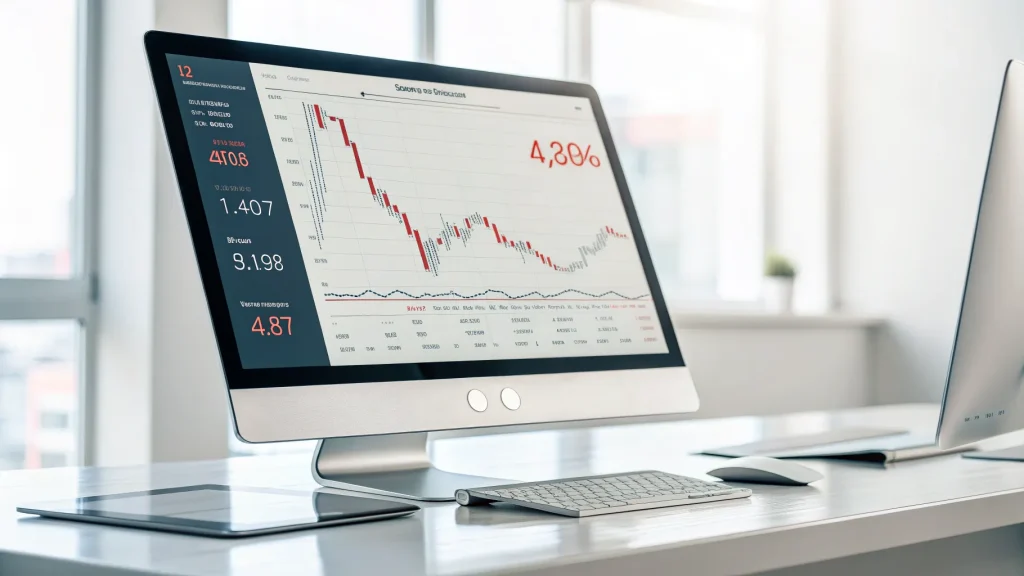
Bitcoin fell 6% in the latest session, marking its sharpest single-day drop since March and extending a losing streak that has weighed on the wider crypto market.
The decline hit during regular trading hours, pressuring major tokens and crypto-linked stocks. Traders cited a mix of shaky risk sentiment, thin liquidity, and position unwinds as possible drivers. The selloff added to recent volatility and raised fresh questions about the next leg for digital assets.
The slump in cryptocurrencies dragged on during the previous session as bitcoin dropped 6% and recorded its worst day since March.
Table of Contents
ToggleBackground: A Market Prone to Sharp Swings
Bitcoin has a history of swift moves during periods of shifting rate expectations and macro uncertainty. When investors brace for tighter financial conditions, risk assets often struggle.
Leverage in crypto markets can amplify those swings. When prices drop, forced liquidations can kick in and deepen the slide.
The broader market has also been sensitive to flows into and out of crypto investment products. Slowdown in inflows can sap momentum, while outflows can compound stress.
What May Have Triggered the Slide
No single headline explained the size of the drop. Instead, several familiar pressures likely converged.
- Risk-off tone in global markets weighed on speculative assets.
- Leverage flushes can accelerate selling once key levels break.
- Liquidity can thin during off-peak hours, making moves more abrupt.
- Profit-taking after prior rallies often follows technical signals.
Traders watch these factors closely, especially when prices cluster near support zones. Breaks can prompt algorithmic selling and widen intraday ranges.
Comparing to Earlier Pullbacks
A daily slide of 6% is large by equity standards but not unusual in crypto. Bitcoin has logged similar moves during past rate scares and after strong runs higher.
In previous episodes, rebounds have often depended on improving macro cues and renewed investor demand. The pace of recovery can vary widely.
Short-term sentiment tends to swing with headlines and funding conditions. Longer term, adoption trends and regulatory clarity have carried more weight.
Effects Across the Crypto Ecosystem
Altcoins generally fell in sympathy, with some posting deeper declines. These tokens often move more than bitcoin during stress due to lower liquidity and higher volatility.
Crypto-exposed equities, such as miners and exchanges, can also feel the pinch. Lower token prices may squeeze margins and shrink trading volumes.
Stablecoin activity sometimes rises during drawdowns as traders park capital. For deeper insight on whether this current weakness is a buying opportunity, read our comprehensive Bitcoin analysis. That can signal caution but also leaves dry powder for future bids.
Signals Traders Are Watching Now
Market participants are tracking a handful of gauges to judge where the next move may lead.
- Spot and derivatives volumes, which reveal the strength of conviction.
- Funding rates, for signs of overheated long or short positioning.
- Exchange reserves, a proxy for potential sell pressure.
- Flows into investment products that cater to institutions and advisors.
Technical levels remain in focus. Holding above prior support zones can restore confidence. Losing them can invite fresh waves of selling.
What It Means for Investors
Sharp down days test risk management. Diversification, position sizing, and clear time horizons matter when volatility jumps.
Long-only investors may view weakness through a cycle lens. Traders may prioritize capital preservation while signals reset.
For policymakers and banks, crypto’s swings can intersect with broader markets when leverage and liquidity are stretched, though direct links remain limited compared with traditional assets.
The latest drop shows how quickly sentiment can shift. A 6% move, the steepest since March, puts market structure and risk appetite back under the microscope. The path ahead will hinge on macro signals, liquidity, and whether buyers return with conviction. Watch for stabilization in funding rates, firmer spot demand, and steadier flows as early hints of a turn. For deeper insight into what may trigger the next move, see our detailed analysis.