Berkshire Hathaway has restarted share repurchases after a two-year pause, and CEO Greg Abel is personally buying shares, signaling faith in the company’s future path.
The move, disclosed this week, marks the first time since 2024 that Berkshire has been an active buyer of its own stock. Abel’s parallel purchases add another vote of confidence. The combined activity points to management’s view that the stock offers value at current levels.
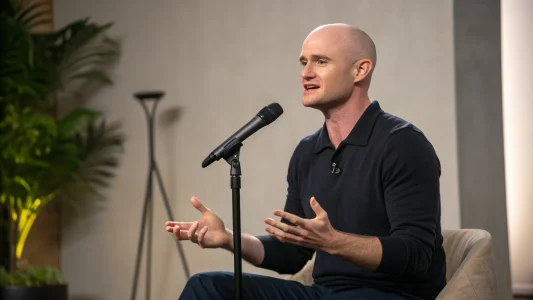
Berkshire Hathaway CEO Greg Abel has the company buying back its own stock for the first time in two years. He’s also buying up the shares, in a show of confidence in future gains.
Table of Contents
ToggleWhy It Matters Now
Berkshire has long treated buybacks as a tool, not a habit. Under Warren Buffett, the company repurchased shares when they traded below management’s estimate of value. At other times, it stayed on the sidelines.
Resuming buybacks suggests leadership sees a favorable gap between price and value. Abel’s purchasing shares himself strengthens that signal. Investors tend to read insider buying as a sign that near-term worries may be overdone.
Buybacks also give Berkshire flexibility. They can be dialed up or down faster than acquisitions or dividends. That agility has been useful when market prices move faster than dealmaking can.
A Look Back: Berkshire And Buybacks
Berkshire’s approach to capital allocation has three familiar levers. It invests in operating businesses. It buys public securities. And, when attractive, it repurchases its own stock.
Historically, the company avoided routine dividends, preferring to redeploy cash. Buybacks became more frequent in the late 2010s, but still remained opportunistic.
There have been stretches with little or no repurchasing. Those pauses often coincided with a rising share price or better uses of cash elsewhere.
The Signals And The Skeptics
Supporters argue the timing looks savvy. If Berkshire trades below what management believes it is worth, buying shares can lift long-term per-share results.
Critics raise familiar concerns. Buybacks reduce share count but do not improve the core business. If executed at rich prices, they can destroy value.
Abel’s personal buying may calm some of those concerns. Executives who buy with their own money tend to be price-sensitive. Still, skeptics want to see sustained operating momentum alongside financial engineering.
What It Could Mean For Investors
Repurchases can increase earnings per share by spreading results over fewer shares. They can also act as a floor under the stock during weak periods.
For Berkshire, which holds large cash balances, buybacks offer a use of funds when few big acquisitions clear its high bar. They also avoid a permanent dividend commitment.
- Share count may decline if repurchases continue.
- Per-share metrics could improve even in a flat economy.
- Cash on hand will matter for the pace of buying.
Context From The Broader Market
Corporate buybacks have cycled with interest rates and profits. When rates are high, some companies slow repurchases to keep balance sheets strong. When conditions ease, buybacks often restart.
Berkshire’s action could signal that management believes its internal prospects outweigh macro risks. It may also reflect limited large deals available at sensible prices.
What To Watch Next
Investors will look for clues in the next quarterly filing on repurchase size and average price. They will also track Abel’s reported personal purchases.
Two yardsticks matter most. First, whether Berkshire’s operating earnings continue to grow. Second, whether the company keeps ample cash for insurance needs and sudden opportunities.
If buybacks expand and operating results hold up, the market may reward the strategy. If prices run ahead of value, Berkshire can ease off the throttle quickly.
Berkshire has sent a clear, simple message. Management thinks the stock is worth buying, and the CEO is putting his own money alongside the company’s. The next few quarters will test that call. Watch for the cadence of repurchases, the cash position, and any shift in deal activity as signs of where Berkshire sees the best payoff.