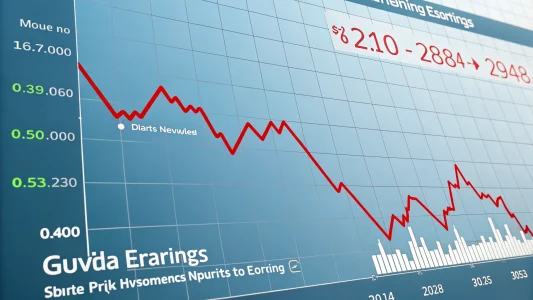
Shares of major financial services firms fell after the launch of a new artificial intelligence tax planning tool that claims to finish work “within minutes.” The selloff came shortly after the product’s debut, signaling investor worry that automation could squeeze advisory fees and pull clients from traditional providers. The tool’s promise of speed and lower costs set off fresh debate over how much of white-collar finance can be automated, and how quickly.
The launch appeared to catch parts of the market off guard. Trading turned lower across firms tied to tax planning, wealth management, and retail brokerages. The worry is simple: if tax advice gets faster and cheaper, some customers may switch. The bigger question is whether that shift happens at the margins or moves the center of the industry.
Table of Contents
ToggleWhy This Tool Hit a Nerve
Tax planning has long been a people business. Advisors tailor strategies, weigh trade-offs, and explain rules. Software already prepares returns, but planning the year-round strategy is the lucrative part. That is where fees live and where relationships are sticky.
The new tool’s pitch is blunt. It says it can analyze filings and produce strategies in a fraction of the time. Its marketing leans on speed and certainty. As the company put it, work can be completed “within minutes.” If the claims hold, it threatens time-based billing and flat-fee packages built on hours of manual review.
Investors know how this movie can go. Similar AI announcements in legal research and customer support sent related stocks sliding, even before results were proven. Markets often price in the risk first and wait on proof later.
What Changes for Consumers and Advisors
For consumers, faster planning could mean quicker answers around filing season and midyear decisions. That might help with withholding choices, retirement contributions, and timing asset sales.
For advisors, the pressure is clear. If software handles the heavy lifting, clients may expect lower fees. Firms could respond by automating routine work and shifting staff to complex cases, audits, and high-net-worth planning. That could protect margins while offering speed on simple tasks.
Some advisors will stress a human check. Tax rules change. Edge cases can be costly if missed. Clients also want someone to call when life events happen.
The Industry’s Likely Response
Established firms have a few playbooks when tech shocks hit.
- Bundle: Pair AI planning with advisory meetings and financial plans.
- Segment: Use automation for simple returns; reserve experts for complex clients.
- Price: Offer tiered packages with clear service levels.
- Compete: Build or buy similar tools to match features and speed.
If the tool gains traction, expect copycats and partnerships. Large firms may integrate similar engines into their portals, keeping clients inside their ecosystem.
What the Tool Can and Cannot Do
AI excels at pattern spotting and summarizing rules. It can scan prior returns, flag deductions, and model scenarios. That shaves hours off common tasks. But perfection in taxes is rare. Data quality, unusual income, and state rules can trip up automated systems. Even the best models need fresh training as laws shift.
Regulatory oversight also looms. If software gives advice that leads to errors, who is responsible? Clear disclosures and audit trails will matter. Firms will need to log recommendations, the data used, and the reasoning presented to clients.
Market Impact and What to Watch
Early trading reactions do not decide the long-term story. If customers adopt the tool and report good outcomes, the pressure on fees will grow. If errors multiply, the pendulum could swing back to human-led services.
Key markers over the next few quarters will include user growth, subscription pricing, reported accuracy, and how many firms embed similar tech. Watch for moves by insurers who underwrite errors and omissions policies, as that will hint at perceived risk.
Voices From the Rollout
The new AI planning engine completes tax strategies “within minutes.”
That promise is the point investors reacted to. Speed can reset expectations. Once clients see quick answers, waiting days for a memo becomes a hard sell.
The latest slide in finance stocks may reflect fear as much as facts. Still, the signal is clear: time-based pricing is under strain when software compresses hours into minutes. The firms that pair smart automation with trusted advice will be best placed to keep clients and margins. The rest will face a price war they do not want. Watch earnings calls for how leaders describe their automation plans, and whether client churn starts to show up in the numbers.