U.S. stocks finished a volatile session with a split decision as investors weighed fresh threats against Iran and a looming deadline over a key oil shipping route. Major indexes trimmed early losses to close mixed, reflecting caution as the White House pressed Tehran over the Strait of Hormuz, a narrow waterway that anchors global energy flows.
The session captured a familiar tug-of-war. Traders tracked headlines from Washington while scanning bond yields, oil prices, and shipping updates for clues. The result was a market that refused to panic but also refused to cheer.
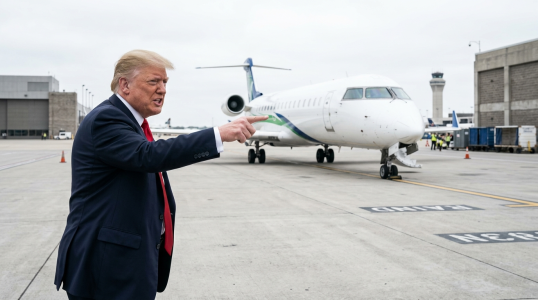
“U.S. stock indexes pared their losses to close mixed on Tuesday even as President Donald Trump ratcheted up threats against Iran as his deadline for the regime to reopen the Strait of Hormuz approached.”
Table of Contents
ToggleMarket Reaction: Caution Without Capitulation
Stocks started lower on geopolitical jitters, then clawed back as dip buyers stepped in. That pattern suggested investors expect tough talk but hope to avoid a major supply shock. Safe-haven assets, such as U.S. Treasuries, often draw interest during flare-ups, pressuring yields. Energy shares can swing with oil prices, which are sensitive to any hint of shipping disruption.
Traders focused on two questions. Will oil shipments be delayed or rerouted? And will companies face higher input costs if crude jumps? The answers determine whether a brief scare becomes a broader risk to growth and earnings.
Geopolitics at Sea: Why the Strait Matters
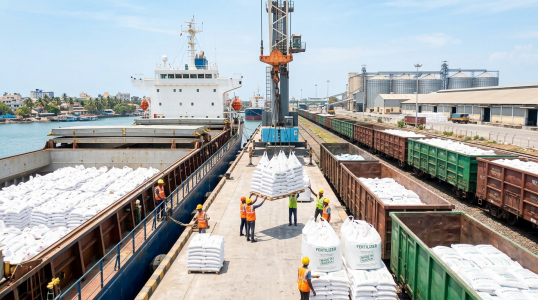
The Strait of Hormuz is one of the world’s most important chokepoints. It links the Persian Gulf to global markets and handles roughly a fifth of seaborne oil. Any blockage or threat to tankers can ripple through fuel prices, freight insurance, and shipping schedules.
Past incidents in the region have sparked quick price spikes, followed by partial reversals once flows resumed. Navies have escorted vessels during tense periods. Energy importers often draw on storage or shift cargoes to cover short gaps, but supply chains grow strained if disruptions linger.
Energy Prices, Inflation, and the Consumer
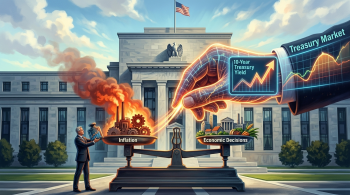
Oil-sensitive sectors—airlines, chemicals, and trucking—watch headlines like these minute by minute. A sustained rise in crude can lift gasoline and diesel prices, adding pressure to inflation. Central banks weigh those pressures against growth. If inflation expectations rise, policymakers can become less flexible, even as manufacturing and trade show fatigue.
For households, higher fuel costs act like a tax. Discretionary spending can fade, which feeds back into retail and services. Markets attempt to price these trade-offs in real time, which explains the intraday whiplash.
What Companies and Investors Are Watching
- Shipping safety: Signals of naval escorts, insurance surcharges, or tanker diversions.
- Oil inventories: Stockpile draws or builds that hint at supply bottlenecks.
- Corporate guidance: Cost comments from energy-intensive sectors.
- Bond market: Moves in yields that reflect growth and inflation expectations.
Multiple Viewpoints, One Flashpoint
Energy analysts warn that even short disruptions can lift price volatility. Shipping executives say rerouting around chokepoints adds time and money, but they have contingency plans. Some portfolio managers argue the market has learned to look past headline shocks unless tankers stop moving. Others say the margin for error is thin, given the tight supply in parts of the system.
Diplomats often seek narrow off-ramps in these standoffs: targeted sanctions relief, limited security guarantees, or inspection protocols that let traffic resume. But negotiations can drag, and markets dislike guessing games.
Case Studies and Comparisons
Similar flare-ups in the Gulf have produced a common pattern. Oil prices jump first, logistics adapt second, and policy responses follow. When traffic normalizes, prices usually retrace, though not always to prior levels. The durability of any spike depends on the length of the disruption and the credibility of security measures.
Investors also compare this risk to other supply threats, such as storms, refinery outages, or pipeline issues. The difference here is concentration: a narrow strait controls a large share of flows, so even rumors move markets.
The latest session closed with more questions than answers. Stocks avoided a broad sell-off, but nerves were on display. The next steps hinge on shipping updates, White House signals, and any moves by regional navies. If oil keeps flowing, markets may breathe easier. If tankers slow, inflation and earnings could feel the pinch. Watch the Strait—and watch the tape.