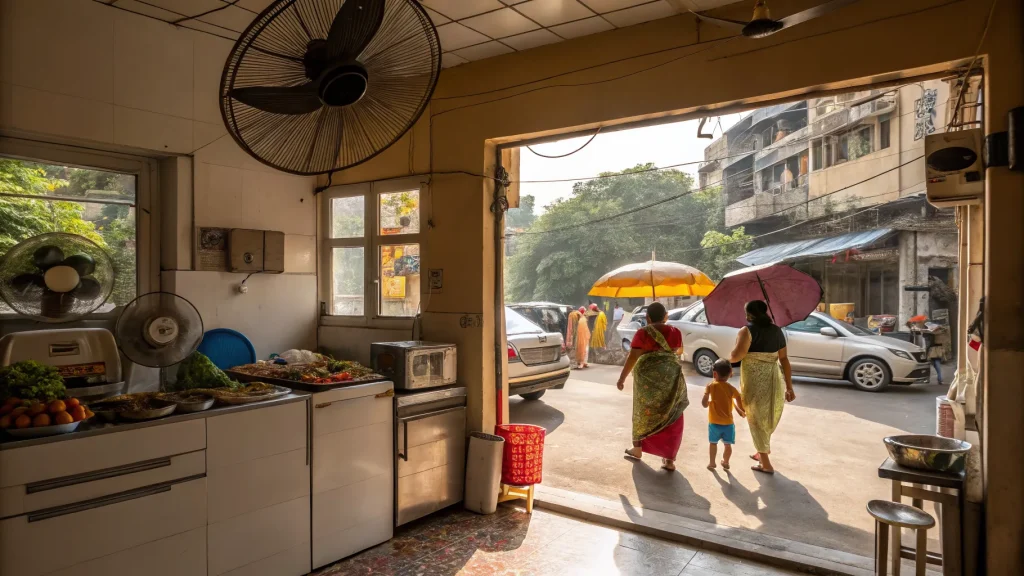
As temperatures climb, so do everyday bills for Indian families. Households are bracing for a 10–12% jump in summer expenses, driven by higher power use, pricier transport, school breaks, and health needs.
The squeeze is sharpest in big cities but felt across the country. The costs surface from April to June, when heat peaks and routines shift. Families are planning sooner and cutting non-essentials to stay on budget.
Table of Contents
ToggleWhy Summer Costs Spike
“From soaring electricity bills and AC cab rides to vacations, summer camps and medical buffers, India’s summer can raise household expenses by 10–12%.”
Power demand rises as fans, coolers, and air-conditioners run longer. Ride-hailing fares surge on hot days. Schools close, leaving parents to arrange camps or childcare. Heat-linked illnesses lead to extra medical spending and insurance top-ups.
Even small changes add up. Cold storage, more bottled water, and frequent laundry increase utility use. A weekend trip can tip a tight budget.
Electricity and Transport Lead the Charge
Cooling is the biggest line item. Window and split ACs can double monthly power bills for frequent users in peak months. Households with older or poorly serviced units pay more.
Transport costs follow. Drivers switch off shared rides during heat waves, and surge pricing kicks in. People also pay for “AC cabs” in many cities. Short commutes can cost as much as intercity bus fares on the hottest afternoons.
Some families reduce daytime errands. Others move trips to morning or night to cut both heat exposure and fare spikes.
School Break Spending: Camps, Care, and Trips
With schools closed, parents pay for day camps, skill classes, or help at home. Fees vary widely by city. Many families set aside funds early in the year to manage these costs.
Travel picks up during holidays. Airfares and hotel rates rise in May and June when demand peaks. Trains sell out fast, pushing late planners to pricier options.
Families with flexible schedules are shifting trips to shoulder weeks to save 10–20% on lodging and tickets.
Health Costs and Heat Preparedness
Heat brings extra health risks. More consultations, hydration products, and basic medicines can add to monthly expenses. Some households also add a medical buffer for emergencies.
Simple steps are gaining ground. People are checking insurance limits, restocking first-aid kits, and keeping digital copies of health cards. Many also plan for preventive checkups after a heat spell.
How Households Are Adapting
Families are adjusting habits to keep bills in check. Several tactics are common:
- Servicing ACs before April to improve efficiency.
- Using ceiling fans first, then AC in shorter bursts.
- Shifting chores and commutes to cooler hours.
- Book camps and travel early for lower rates.
- Setting up a small, separate summer health fund.
Apartment associations report greater interest in meter tracking and shared guidelines for efficient cooling. Owners are sealing leaks and using curtains to reduce heat indoors.
Longer-Term Shifts and What’s Next
Retailers expect higher demand for efficient appliances and insulated fans. Builders note growing interest in shade, ventilation, and reflective roofs. Schools are considering staggered calendars and earlier start times for activities.
If heat waves intensify, the summer premium on household budgets could rise further. Power tariffs, grid reliability, and water supply will shape next season’s costs. So will how quickly families adopt efficient cooling and plan travel.
For now, the message is clear. Summer spending is not a surprise; it is a season. Households that plan in March, service key appliances, and track usage weekly are handling the 10–12% bump with fewer shocks.
The next few weeks will test these plans. Watch for changes in peak power rates, ride-hail pricing, and school camp availability. A small buffer today may save a larger bill tomorrow.