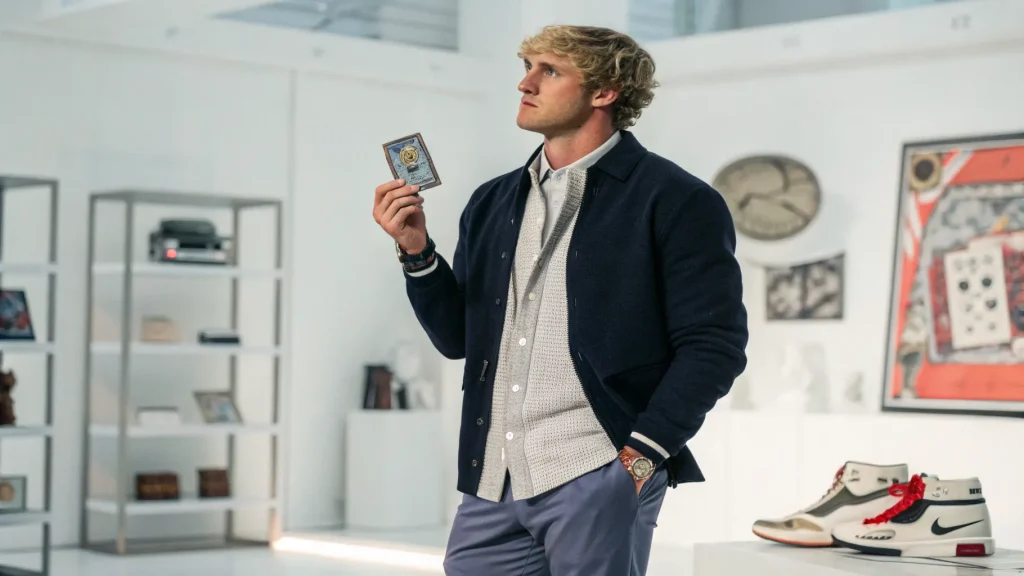
Logan Paul, the influencer turned entrepreneur, pressed his case for high-value collectibles as an investment class, pairing his internet-built fame with a taste for rare assets on a business TV appearance. He discussed his path to stardom, rising from viral videos to mainstream ventures, and why scarce items like trading cards have become a core part of his portfolio.
His comments come as collectibles face a cooldown from the pandemic boom, yet still attract deep-pocketed buyers. The conversation offered a window into how celebrity capital is flowing into items once seen as hobbies, and what that means for a market still finding its footing.
Table of Contents
ToggleFrom Viral Clips to Big-Ticket Buys
Paul’s path runs through YouTube stardom, combat sports events, and the launch of Prime Hydration with KSI. The reach of those venture funds is a strategy that includes rare cards and cultural memorabilia. He has helped push niche assets into living rooms where market caps are usually spelled out in crypto and equities.
During the pandemic, trading card prices surged as homebound buyers chased nostalgia and alternative returns. Some categories have since cooled, but top-tier items remain sticky. High grades and rare print runs still command attention at auction.
Why Collectibles Appeal to Celebrity Investors
Paul framed collectibles as a blend of scarcity, brand power, and passion. The mix, he suggested, can turn fan interest into value that holds up better than trend-driven bets. For a personality whose brand trades on attention, that pairing has its logic.
- Scarcity: Limited print runs and one-of-a-kind items can sustain prices.
- Cultural heat: Nostalgia and mainstream exposure help widen the buyer pool.
- Storytelling: A famous owner can add a narrative that lifts an item’s appeal.
The approach is not new. Athletes and entertainers have long bought rare art, cars, and memorabilia. What is newer is the social-media scale behind it and the speed at which those purchases become market-moving events.
Record Prices and a Cooling Market
Paul’s interest aligns with a period when sales were eye-popping. In 2022, he purchased a Pikachu Illustrator card, which was reported to be worth over $5 million, a price cited by Guinness World Records as a record for a Pokémon card. Top sports cards have also set records, including a 1952 Mickey Mantle that sold for more than $12 million in 2022, according to Heritage Auctions.
Yet price charts since 2022 show a mixed picture. Indexes that track broad swaths of the card market have slipped from their peaks, even as blue-chip items hold steadier. That split hints at a familiar pattern: quality consolidates while speculative corners retrench.
Risk, Reputation, and the Long Game
The upside comes with risk. Values can swing on grading disputes, market mood, and questions about authenticity. Public figures face another layer: reputational risk when ventures touch collectors’ money. Paul has dealt with scrutiny around past crypto projects, a reminder that celebrity-driven finance can cut both ways.
Experts urge caution on leverage and liquidity. Selling a rare card is not like tapping a stock’s bid-ask. Timing matters, and fees add friction. Insurance, storage, and verification create ongoing costs that can eat into gains.
What to Watch Next
Analysts expect the top tier to keep drawing bids, even if mid-tier items drift. Two trends could drive the next chapter:
- Better transparency: Population reports, blockchain-backed provenance, and tighter grading standards could lift confidence.
- New buyers: Streaming and social platforms continue to mint fans who may turn into bidders, especially for pop-culture icons.
Celebrity involvement will remain a swing factor. A single post can spotlight a forgotten set. A high-profile sale can set a new price anchor. But the market’s health will hinge on fundamentals: scarcity, condition, and real demand.
For Paul, the pitch is simple. Fame opened the door. Rare assets, he argues, help keep the house standing. Whether that view holds through the next cycle will say as much about collector sentiment as it does about influencer reach.
Bottom line: the chase for cultural scarcity is not going away. Expect more headline sales, louder debates over value, and a sharper focus on proof of rarity. Investors intrigued by the space should start with patience, homework, and a plan for when it is time to sell.