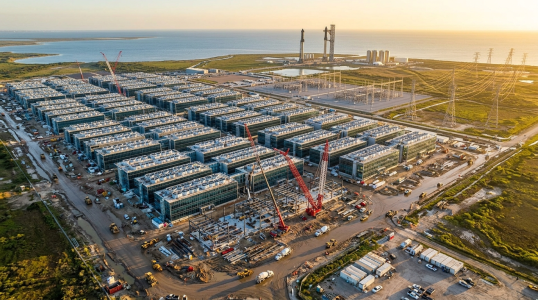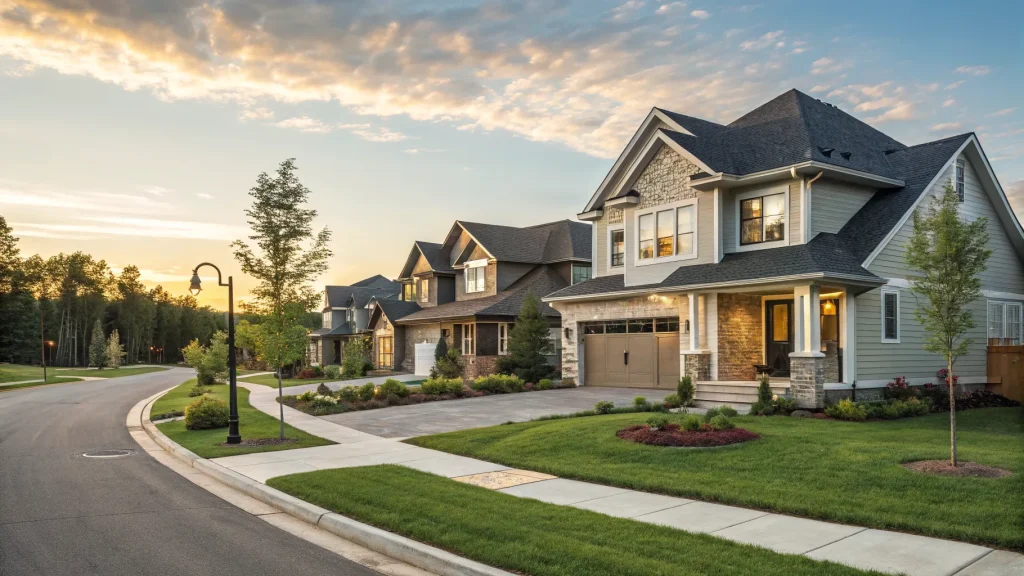
Newly built houses are going toe-to-toe with resales on price, narrowing the affordability gap in parts of the country where inventory has grown, according to a new report. The shift is most visible in the South and West, where more listings are giving buyers choice and leverage.
The report’s findings land at a time when high mortgage rates have strained budgets and kept many owners from listing. Fresh supply from builders is changing that math in select markets, pulling new-construction prices closer to existing homes and offering buyers incentives that resales rarely match.
Table of Contents
ToggleAffordability Gap Finally Shrinks
“The housing affordability gap narrows as new home prices become competitive with existing properties, especially in South and West where inventory increased, a new report found.”
That conclusion reflects a trend that has been building over the past year. Builders, faced with slower foot traffic as borrowing costs rose, trimmed prices and sweetened deals. In contrast, many owners of existing homes stayed put, locked into low-rate mortgages and reluctant to sell.
The result: price lines that once ran far apart are drawing closer. In high-growth metros, buyers now compare a turnkey new build with warranties and incentives against an older home that may need repairs and offers fewer concessions.
Why the South and West Lead
The South and West have added the most new supply since the pandemic-era building boom. Faster permitting in some cities, abundant land at the edge of metros, and strong population growth have encouraged construction. More listings put pressure on list prices and help cool bidding wars.
Markets across Texas, the Carolinas, Arizona, Nevada, and parts of the Mountain West have seen subdivisions come to market in phases. Each new release adds choices. Where buyers once faced slim pickings, they now can shop across floor plans, lots, and neighborhoods. That choice shows up in pricing power.
Builders Sharpen Their Pencils
Price is only part of the story. Builders have leaned on financing offers that lower monthly payments. Rate buydowns, closing-cost credits, and free upgrades translate into effective discounts that make new homes feel within reach, even if list prices look similar to nearby resales.
Existing-home sellers rarely offer that menu. They can negotiate on price, but they cannot act like a lender. For first-time buyers, the math often tips toward a new build with predictable costs and fewer surprise repairs.
Warranties and energy efficiency also carry weight. A tighter building envelope and new systems can shave utility bills, a quiet selling point when budgets are stretched.
What It Means for Buyers and Sellers
For buyers, the message is simple: do not skip the new-home aisle. If both options are within range, factor in total monthly costs and incentives, not just sticker price. Time on market for new homes may offer room to negotiate on upgrades or closing dates.
Sellers of existing homes face a different calculus. Clean listings, pre-inspections, and strategic pricing matter more when a brand-new competitor sits down the street. Turnkey condition and buyer concessions can help bridge the gap.
- Compare monthly payments, not just prices.
- Ask builders about rate buydowns and credits.
- For resales, price to current comps and be ready to negotiate.
Risks and What to Watch
The trend depends on two moving parts: mortgage rates and supply. If rates ease, more owners may list, adding to resale inventory and intensifying price competition. If rates rise, builders could revive deeper incentives to keep deals moving, which would support the gap narrowing even further.
Construction costs and labor availability also loom large. A spike in materials or shortages on job sites could limit how far builders can cut. Local regulations and fees play a role as well, especially in communities with slower approvals.
For now, the competitive pricing in the South and West signals a modest win for affordability after a long squeeze. Buyers finally have options, and options create pressure for deals to pencil out.
The next few months will test the staying power of this shift. Watch permit activity, new-home cancellations, and the mix of incentives in builder releases. If supply continues to grow and incentives hold, price gaps could narrow further heading into the peak buying season.