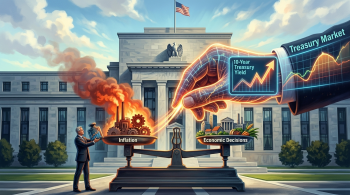
Here’s why the market’s stagflation warning lights are getting brighter and what that can mean for portfolios. The latest growth figures came in weaker, energy prices are firm, and the timeline for interest rate cuts is slipping. That mix is tough. It calls for clear eyes and steady hands.
“The stagflation signals just got a little louder today.”
“We were told the U.S. economy grew at 1.4% in the fourth quarter. Turns out, it was actually just 0.7%.”
“With increased war spending and oil prices ripping higher, don’t expect that Fed life raft of rate cuts until maybe December.”
Table of Contents
ToggleWhat the Weaker Growth Number Tells Us
Fourth-quarter growth was revised down to 0.7% from an earlier estimate of 1.4%. That is a meaningful change. The final three months of the year often benefit from holiday activity. Retail promotions, travel, and year-end business orders can lift demand.
When that period slows, it sets a softer base for the new year. It also raises questions about momentum. The first quarter is usually slower. This year brought a tough winter on top of that. Weather can disrupt shipping, work sites, and foot traffic. Lower growth plus sticky prices is the classic stagflation setup. It does not mean a deep recession is certain. It does mean risk is building in an area markets do not like.
View this post on Instagram
Why Rate Cuts May Slip Further Out
At the start of spring, many traders expected the first Federal Reserve cut in June. Those odds have faded. Two pressures are at work. First, geopolitical conflict can push up government spending and widen deficits. Second, oil prices tend to move higher when the Middle East heats up. Both forces lean against quick rate relief.
The Fed’s job is price stability and full employment. If energy costs rise and feed into inflation, officials have less room to ease. They do not want to cut too soon, see inflation re-accelerate, and then hike again. Markets now point to a later start for cuts. December is on the table. That is a long time for borrowers who hoped for quick relief. It also means the cost of capital can stay high while growth cools. That is a tough mix for many assets.
Oil’s Outsized Role in a Stagflation Scare
Energy prices move through the economy in many ways. Gasoline shows up at the pump. Diesel shapes shipping costs and farm expenses. Jet fuel hits travel budgets. Higher energy costs can also flow into goods and services through freight and input prices. If wages are steady, those higher costs squeeze households. If wages chase prices, business margins get pinched.
Markets tend to price future demand. If oil lifts and stays elevated, it can keep inflation higher for longer. That holds back the Fed. It also weighs on growth, which is already slowing. This is the core of the stagflation worry right now.
What Stagflation Does to Portfolios
Stagflation is a double bind. Stocks struggle because earnings come under pressure. Bonds struggle because inflation erodes fixed income value. That is why this setup feels so hard. The usual offsets can fail at the same time.
The solution is not to guess every twist. It is to prepare the portfolio for a range of outcomes. Keep quality high. Manage interest rate exposure. Own some assets that can move with inflation. Keep cash needs funded. Be ready to rebalance.
What May Work Better If Growth Slows and Prices Stay Firm
- Short-duration bonds: Lower interest rate risk and healthy yields reduce volatility compared to long bonds.
- TIPS and inflation-linked bonds: Designed to adjust with inflation, they can help if prices keep grinding higher.
- Quality dividend stocks: Strong balance sheets and steady cash flow can support payouts in choppy periods.
- Energy and select commodities exposure: Can benefit when oil and input costs rise.
- Value-tilted equities: Companies with near-term cash flows are less sensitive to higher discount rates.
- Cash and cash-like reserves: Money markets and short Treasurys still yield well, adding stability.
What May Struggle If Stagflation Persists
- Long-duration bonds: More sensitive to inflation surprises and delayed rate cuts.
- High-growth, long-duration equities: Valuations rely on distant profits, which are hit harder by higher discount rates.
- Cyclical consumer names: Households face tighter budgets if wages lag prices.
- Highly levered companies: Refinancing at higher rates can squeeze margins and cash flow.
Positioning Without Overreacting
Prudence beats panic. I prefer stepwise changes over big swings. If the portfolio is heavy in long-duration bonds, consider trimming and adding shorter maturities. If stocks are tilted to pricey growth, consider shifting a slice to value and quality. If inflation hedges are missing, add a measured exposure. Keep each move sized to your plan. Keep taxes and costs in mind.
Risk Controls That Matter More Right Now
Liquidity can be the quiet hero of a rough market. An emergency fund lets you avoid forced selling. A ladder of short bonds can fund near-term needs. Diversification helps when one part of the portfolio hits a pocket of stress. Rebalancing imposes discipline. It trims the winners and adds to the laggards over time. That process can add value when emotions run high.
Reading the Signals Without Guessing the Future
Signals are mixed. Growth cooled. Energy is firm. Rate cuts look delayed. That is enough to plan for stagflation risk. It is not a guarantee. Stay humble. The path can change fast. A break in energy prices would ease pressure. A surprise jump in productivity could help growth. A clean disinflation trend would open the door for earlier cuts. We do not need to predict the exact path. We need a portfolio that can handle more than one path.
Practical Steps You Can Take This Month
Small, clear steps can improve resilience without blowing up the plan. Here are actions to consider now, based on your goals and risk profile:
- Review bond duration and credit quality. Shift toward shorter, higher-quality issues if risk is elevated.
- Stress-test income needs for the next 12 to 24 months. Fund them with cash, T-bills, or a short ladder.
- Check equity balance. Add quality and value exposure if growth and rates remain a headwind to pricey names.
- Add a measured inflation sleeve. Consider TIPS or a modest commodities and energy mix.
- Revisit position sizes. Trim concentrated winners, reduce leverage, and lock in reasonable gains where possible.
- Write a rules-based rebalance plan. Decide thresholds before the next bout of volatility.
How I’m Weighing the Trade-Offs
I think in trade-offs rather than absolutes. Holding short-duration bonds gives up some upside if cuts arrive early, but it limits downside if cuts slip. TIPS lag if inflation cools faster than expected, but they help if oil keeps pressure on prices. Energy exposure can be volatile, so I keep sizing modest and paired with quality assets. Cash drags in bull runs, yet it shines when stocks and bonds both wobble.
This is the heart of portfolio design in tricky times. Use building blocks with different drivers. Avoid binary bets. Build in flexibility. Let time and compounding work.
Historical Reminders Without Overfitting
The 1970s are the go-to example for stagflation. Energy shocks and wage pressures weighed on growth and prices at the same time. Commodities and hard assets helped. Long bonds had a rough stretch. But today is not the 1970s. The economy is more service-based. Central bank tools are better understood. Labor dynamics are different. History guides, but it does not dictate. We take lessons and still respect today’s data.
Signals I Am Watching Next
Several updates will help shape the next moves. I am watching incoming inflation prints, especially core measures. I am tracking wage growth and job openings for signs of cooling. I am following energy inventories and shipping rates for supply strain clues. I am also watching credit spreads. If they widen, funding costs can jump for weaker borrowers. That is an early warning sign for risk assets.
Your Plan Matters More Than the Forecast
Every portfolio serves a purpose. A retiree living off cash flow faces a different risk than a 35-year-old still saving. The same headline means different things for each. Align the mix to your time horizon and spending needs. Use today’s signals to nudge, not to overhaul, unless your plan was off track already. Progress comes from repeatable steps, not heroic calls.
The message today is simple. Growth slowed. Energy is firm. Rate cuts may arrive late. That mix raises stagflation risk. Prepare with quality, shorter duration, and a small inflation hedge. Keep liquidity. Rebalance with rules. Do not chase or panic. Let the plan lead the moves.
Frequently Asked Questions
Q: What is stagflation and why is it a concern?
Stagflation is slow or flat growth paired with persistent inflation. It is hard on both stocks and bonds. Earnings face pressure while inflation hurts fixed income. That’s why it is tricky for portfolios.
Q: How can I adjust my bond holdings in this environment?
Consider shifting toward shorter-duration, higher-quality bonds. They are less sensitive to inflation surprises and delayed rate cuts. A measured TIPS allocation can help if prices stay firm.
Q: Which stock strategies tend to hold up better?
Focus on quality and value. Companies with strong balance sheets, steady cash flow, and reasonable valuations handle higher rates better. Dividend payers and select energy names can add resilience.