I spend my days helping families and business owners make money decisions that match real goals. I am Taylor Sohns, CEO of LifeGoal Wealth Advisors, a Certified Investment Management Analyst (CIMA), and a Certified Financial Planner (CFP). I also helped launch and manage five ETFs on the New York Stock Exchange. I speak with clients who measure wealth in the tens of millions and with young savers building their first $5,000. The common thread is simple. Money advice can help, or it can hurt. On social media, it often hurts.
Know how to spot weak advice online and what sound guidance should look like. I share the three red flags I use, why they matter, and how to protect your plan when markets swing. I also show what a real process looks like, with examples you can apply today.
“Stop taking financial advice from monkeys.”
Table of Contents
ToggleWhy So Much Online Advice Misses The Mark
Short video clips reward hot takes and catchy lines. That format shuts out nuance and context. It punishes patience. It favors confidence over proof. The result is advice that sounds good for ten seconds and fails in the real world.
Your plan must survive market falls, life changes, and taxes. It must match the goals you set. A slogan will not do that. A plan must also fit your risk tolerance and time horizon. An algorithm does not know your mortgage rate, vesting schedule, or the childcare bill due next month.
I am not anti-education content. Good teaching can be online or in person. I am against advice that is untested, unverified, and unsafe when money is at stake.
View this post on Instagram
Three Red Flags That Signal Weak Advice
Here are the common signs I watch for on social media. They show up again and again.
- The “former financial advisor” pitch. Some creators lead with “I used to be an advisor” as if that makes them an expert. Titles do not equal skill. Ask why they left. Ask what they managed and for how long. Ask what they learned from losses.
- Slogans dressed up as insight. “Lower fees are better.” “Invest early.” “Stocks return 10%.” These lines are true in a vacuum. They are not a plan. My six-year-old could repeat them. They ignore taxes, cash flow needs, and risk.
- “Buy the S&P 500 and chill.” Owning a broad index is fine for many. But “set it and forget it” without a plan for withdrawals, rebalancing, and downturns can wreck a family budget. It also skips key details like factor exposure, sector risk, and valuation.
“If their entire strategy is buy the S&P 500 and chill, they have not been through a market cycle. They will blow you up someday.”
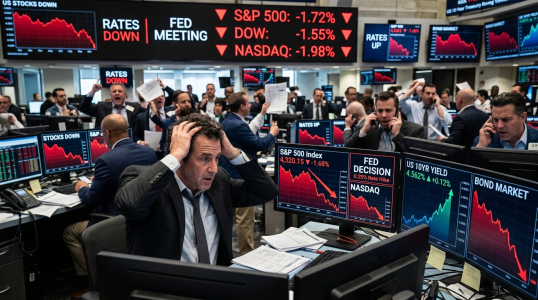
I have lived through several rough markets with clients. The dot-com bust cut the Nasdaq by more than 70%. The financial crisis halved major indexes. The pandemic crash took the S&P 500 down more than 30% in weeks. Indexing did not shield anyone from drawdowns. What matters is how you position, how you rebalance, how you raise cash, and how you behave.
What Real Advice Looks Like
Real advice is built on a simple truth. Money must serve a life goal. The path is not fancy. It is a series of clear steps done well and repeated.
First, define the goal. College in ten years. A first home in five. Retirement at twenty-five with a steady withdrawal rate. The timeline and dollar target drive the mix of cash, bonds, and stocks.
Second, define risk. Risk is not a word. It is the dollar drawdown you can live with and still sleep. It is also the risk your plan can take and still fund the goal. These can be different. A good plan finds the overlap.
Third, pick tools that fit. Tools can be index funds, ETFs, or active strategies. I helped design and manage ETFs, and I still ask the same basic questions. What problem does this solve? What risks does it add? How does it behave under stress?
Fourth, plan for taxes and cash flow. Taxes are a cost you can control with account selection and order of withdrawals. Cash flow is your plan’s fuel. Know how much you must set aside and when you will need it.
Fifth, set rules for rebalancing and review. Rules beat moods. A schedule forces you to trim winners and add to laggards. That supports risk control. It also adds discipline when headlines get loud.
Why “Lower Fees Are Better” Is Not Enough
Fees matter. Every dollar saved on costs can work for you. But the lowest sticker cost is not the only factor. Here is why.
Tracking matters. Two funds can follow the same index and deliver different results if one lags its benchmark. Liquidity matters. Wide bid-ask spreads can erase any fee edge during trades. Fit matters. A low-cost fund that does not match your goal can be more expensive than it looks when the outcome is wrong.
Think of fees as one item on a short checklist. Clear goal fit. Reasonable cost. Strong process. Good tracking. Transparent risks. That is the balance you want.
What “10% Stock Returns” Can Hide
People like to cite a 10% long-term return for stocks. That number is an average. Money does not arrive in straight lines. Some decades were flat. Some were very strong. Order matters if you are taking income.
This is called sequence risk. If you begin withdrawals in a bear market, you can drain the portfolio more quickly. A plan must set aside near-term cash needs. It should also size stock exposure to the timeline. The right answer is not a number said fast into a camera. It is a match of time, cash needs, and risk.
Buy the Index? Maybe. But Build a Plan First.
Index funds can be powerful. They are simple. They spread risk across many companies. They are usually tax-efficient. I use them where they fit. But they are not a plan on their own.
Know what you own. The S&P 500 is heavy in a few large tech names today. That concentration can help when they rise and hurt when they fall. Know how you will rebalance. Know how you will raise cash for a down payment or a surprise bill. Know when you will dial risk up or down based on your timeline, not your mood.
Proof Of Work Matters
Advice is not entertainment. It is a promise to stand behind a view when it is hard. I feel that weight every day. I was invited to speak to top advisers selected by Forbes about our firm’s growth. Our team manages several hundred million dollars in client assets. We are trusted by clients with nine-figure wealth and by new investors. We launched and manage five ETFs on a major exchange.
I share this not to boast, but to stress a point. Experience through cycles matters. A public track record matters. A tested process matters.
“Your hard-earned money shouldn’t be chasing what an amateur on the internet tells it to chase.”
A Simple Checklist For Vetting Money Advice
- Credentials and role. Do they hold recognized designations like CFP or CIMA? Are they a fiduciary when giving advice?
- Experience through downturns. Ask how they handled 2000–2002, 2008–2009, and 2020. What changed in their process?
- Clear process. Can they explain how they build, monitor, and adjust a plan in plain language?
- Evidence and data. Do they cite sources, show full periods, and address risks and taxes?
- Conflicts and incentives. How are they paid? What products do they use and why?
- Customization. Do they connect advice to your goal, timeline, and cash needs?
How I Manage Real-World Tradeoffs
Here is how I think through common choices. These are examples, not advice for your situation.
Emergency fund first. I like to see three to six months of core expenses in cash or a high-yield savings account. If your income is volatile, hold more. This is your shock absorber.
Debt next. If you carry high-interest debt, it is often wise to pay that down before adding risk assets. A 19% rate on a card is a market-beating “return” to eliminate.
Defined goals. Saving for a house in three years? I avoid heavy stock exposure for that bucket. Short-term bonds and cash can be a better fit. Long-term retirement savings? A mix with higher equity makes sense for many, scaled to your tolerance and plan.
Automate. Set contributions by date and dollar amount. Remove the need to decide each month. The habit builds wealth. The schedule helps you buy through dips without trying to time the market.
Rebalance. Pick a cadence, like semiannual. Or use bands, like plus or minus 5% off target. Trim what ran ahead. Add to what lagged. This keeps risk in line.
Taxes. Use tax-advantaged accounts to the extent they align with your goals. When you hold taxable investments, be mindful of gains, harvesting, and asset location. Put less tax-efficient holdings where they fit best.
Behavior Beats Brilliance
Most poor outcomes come from behavior, not math. Chasing winners. Bailing out at lows. Moving the goalposts every earnings season. This is where process helps most. It gives you rules to follow when fear or greed is loud.
One example is the drop in early 2020. A process with cash reserves and a rebalancing rule pushed investors to buy stocks after a sharp fall. Those who sold at the bottom locked in a loss and missed the fast recovery. We cannot control markets. We can control our actions.
How To Use Social Media Safely
Use it to learn definitions and ideas. Use it to find questions to ask. Do not use it to make big moves on the spot. Big decisions deserve a pause.
Before acting on a post, write down three items. What is the claim? What is the risk if it is wrong? How does it fit my written plan? If you do not have a written plan, that is your next step.
If a creator promises riches fast or downplays risk, move on. If they talk about a product without naming the fees, tax traits, and drawdown history, move on. If they cannot say “I do not know,” move on.
What To Expect From A Real Adviser
A real adviser asks about your life before your money. They collect details. They test assumptions. They explain tradeoffs. They talk about drawdowns and cash needs. They build a plan you can understand in one page.
They also educate as they guide. They show you how different mixes behave. They model what a bad decade could mean. They put guardrails on spending in retirement. They review and adjust as your life changes.
And when markets fall, they do not vanish. They call, they meet, and they act within the rules you agreed to in calm times.
The Hard Truth In One Line
“Most financial advice on social media is coming from a monkey.”
That line is blunt. It is also my honest view after years of watching viral advice fail real people. Your savings represent years of effort. Treat them with the care they deserve.
If you want education, find creators who teach and show their work. If you want advice, demand a process, proof, and accountability. Your plan should not be built on a slogan.
I believe in simple tools used with discipline. I believe in clear goals and patient habits. I believe experience through market cycles matters. If you keep those points in focus, you will be far ahead of the noise.
Frequently Asked Questions
Q: How can I tell if a money tip online applies to me?
Check three things before acting. Timeline, risk, and taxes. If the tip ignores when you need the money, how much you can lose, and tax impact, it is not tailored to you.
Q: Is buying an S&P 500 index fund wrong?
It can be a solid building block, but it is not a full plan. You still need cash reserves, a rebalancing rule, and a plan for withdrawals and taxes.
Q: What questions should I ask a prospective adviser?
Ask how they are paid, whether they act as a fiduciary, how they handled past bear markets, and how they will tailor a plan to your goals and cash needs.