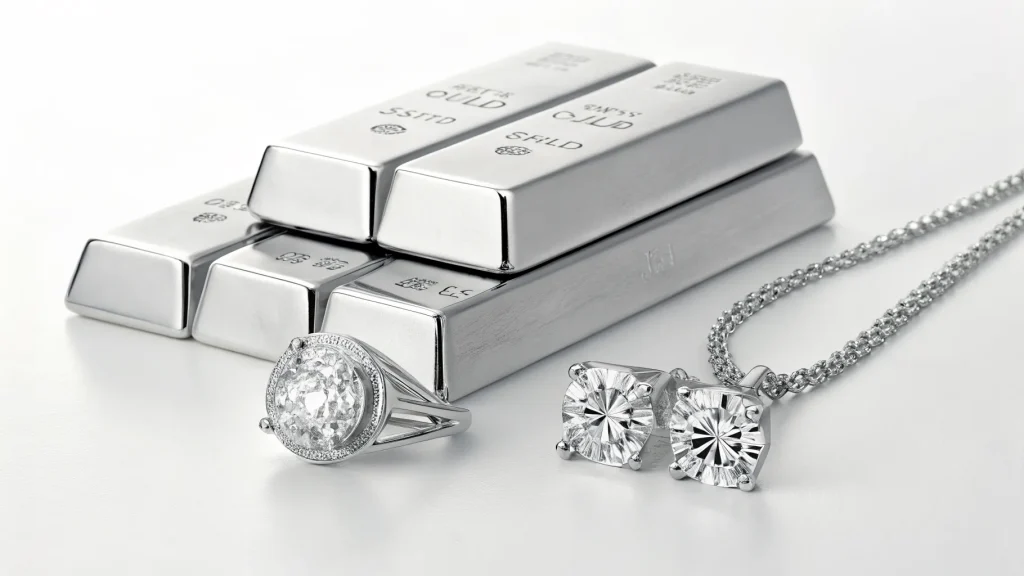
With inflation worries lingering, investors are eyeing platinum as a potential shield, adding a flash of gray metal to portfolios that have long leaned on gold. Advisors say the move reflects caution in a market still digesting sticky prices and shifting interest rate paths. The trend spans retail buyers and wealth managers, who are looking for ways to protect purchasing power without taking on more stock risk.
The pitch is simple and punchy: precious metals can blunt the sting of rising prices. As one view puts it,
If you’re worried about increased inflation, adding precious metals like platinum to your portfolio can be a smart choice.
The case for platinum, though, is not identical to gold. It blends monetary hedging with strong industrial ties, which can either help or hurt depending on the cycle.
Table of Contents
ToggleWhy Platinum Is Back in Focus
Platinum has a long history in jewelry and industry. Most mine output comes from South Africa, with additional supply from Russia. That geographic concentration can make supply fragile when politics, energy grids, or logistics falter.
Unlike gold, which is driven more by investor flows and central bank demand, platinum’s price often tracks factory activity. It is a key metal in catalytic converters that curb auto emissions. When automakers ramp up, platinum tends to benefit. When they slow, it often slumps.
That dual identity cuts both ways for inflation hedging. During periods of high prices and steady growth, platinum can ride both themes. In a slowdown, the industrial drag may outweigh its store-of-value appeal.
Access has broadened in recent years. Investors can buy bars and coins, use exchange-traded funds that hold metal, or gain exposure through miners. Each path carries different costs and risks, from storage and premiums to company-specific issues.
The Case For and Against the Hedge
- Pros: Diversification from stocks and bonds; scarce supply; potential support from clean-air rules and new industrial uses.
- Cons: Higher volatility than gold; sensitivity to auto demand; liquidity that can thin out in stress; storage or fund fees that eat returns.
Supporters point to tight supply and periodic deficits that can lift prices. They also highlight research on platinum’s role in fuel cells and electrolyzers, which could add demand if the hydrogen economy scales.
Skeptics counter that electric vehicles reduce the need for catalytic converters, pressuring long-term demand. They also note that gold has a clearer inflation track record and deeper markets. For investors seeking a simple hedge, gold’s history can be easier to stomach.
What Market Watchers Are Tracking
Rates and inflation prints remain the main drivers. If central banks cut too soon and prices stay high, appetite for hard assets could grow. A firmer dollar, on the other hand, often weighs on metals priced in dollars.
Auto production is another swing factor. Stronger output and stricter emissions standards tend to support platinum. Supply stability in major producing regions also matters; disruptions can quickly ripple into prices.
Investors are also watching technology shifts. Hybrids still need catalytic converters, which can cushion any EV hit. Fuel cell vehicles and industrial hydrogen projects offer a possible demand boost, but timelines are uncertain and vary by region.
How Investors Are Positioning
Advisors suggest that any allocation should be modest and part of a broader plan. Position size often ranges from a small slice within a commodity sleeve to a split across several metals. The idea is to reduce reliance on any single driver.
Some prefer a basket approach—mixing gold, silver, and platinum—to balance differences in volatility and use cases. Others pair metal exposure with inflation-protected bonds to spread risk across assets that respond differently to price shocks.
Costs matter. Physical buyers face premiums over spot and storage needs. Fund investors weigh expense ratios, tracking error, and liquidity. Miners add company risk and can diverge from metal prices due to management, costs, and hedging.
For now, platinum sits at the intersection of inflation anxiety and industrial demand. The metal offers diversification with a twist—part hedge, part factory barometer. Investors weighing a stake should match any move to their risk tolerance and time horizon. Watch the next rounds of inflation data, central bank guidance, and auto output. Those signals will likely set the tone for whether this hedge shines or tarnishes in the months ahead.