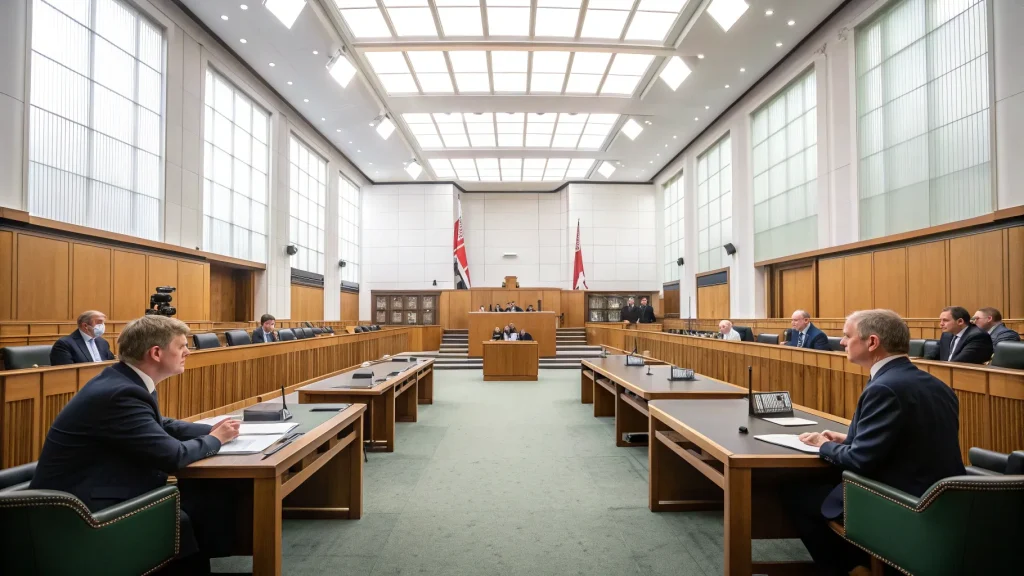
Executives from the UK’s largest household energy suppliers faced questions in Parliament this week over what help they offer customers as bills rise again. MPs pressed company leaders in Westminster on whether support is reaching those most at risk, and how firms plan to handle growing debt and hardship as winter approaches.
The session brought together senior figures from suppliers serving most British homes to explain their policies on repayment plans, hardship grants, and customer service. Lawmakers sought clear answers on disconnections, prepayment meters, and the controversial standing charge, arguing households need practical relief, not platitudes.
Bosses of the UK’s biggest energy suppliers were quizzed by MPs about support for their customers as prices rise.
Table of Contents
ToggleWhy The Hearing Matters
Household energy costs surged after wholesale gas prices spiked in 2021 and 2022. Prices have eased from their peak but remain higher than before the crisis. Ofgem’s price cap sets the maximum unit cost for most homes, reviewed every quarter. When wholesale prices move up, bills follow, even if usage stays the same.
Pressure has been building over growing arrears and the use of prepayment meters. In 2023, suppliers paused forced installations after reports of poor practices. New rules tightened when such switches are allowed and boosted protections for vulnerable customers. Consumer groups say progress is uneven and want more transparency on how firms treat people in debt.
What MPs Want To Know
Committee members focused on four areas that hit households hardest. They asked whether companies are proactively spotting distress, or only acting when debts spiral. Lawmakers also challenged the fairness of fixed standing charges, which are paid even when usage is low.
- Are repayment plans affordable and tailored to income?
- How are firms treating customers on prepayment meters?
- What happens before any disconnection or meter switch?
- Will suppliers reduce or rethink standing charges?
MPs pressed executives on call wait times and complaint handling, noting the link between poor service and missed support. They also sought detail on the size of company hardship funds and the success rate of applications.
How Suppliers Say They’re Helping
Energy firms highlighted repayment plans, payment holidays in extreme cases, and dedicated teams for vulnerable customers. Several run charitable trusts or hardship funds that offer grants to clear debt or reduce arrears. Suppliers also promote the Priority Services Register, which gives extra help to eligible customers, including those with health issues.
Companies pointed to energy efficiency advice, free or discounted devices like smart thermostats, and alerts that flag unusual consumption. Some suppliers offer lower standing charges on specific tariffs or seasonal bill smoothing, though availability varies. Executives argued that margins are thin and any large, permanent bill cuts would require policy changes or targeted government support.
The Numbers Behind Bills
Typical annual bills are no longer at crisis highs, but they remain elevated for many households. More people now owe money to their supplier than before the price shocks. Charities report record energy debt and rising demand for emergency support. Meanwhile, usage has fallen as people cut back, which helps but cannot offset higher unit costs.
Debt-driven meter switches face stricter rules, including checks for vulnerability and mandatory site visits. Ofgem has also warned suppliers over poor practice and can fine firms for breaches. The regulator is reviewing standing charges and how network and policy costs are spread across bills.
What To Watch Next
Policy debate is heating up around a long-discussed “social tariff” to give deeper discounts to low-income and high-need households. Ministers have not committed, but MPs signaled growing interest in targeted help that reflects ability to pay. Any shift would need funding, either from general taxation or a levy spread across bills.
For now, the focus is on how suppliers act in the coming months. Clearer repayment paths, faster access to grants, and earlier outreach could limit debt growth. Better data sharing between suppliers, councils, and charities may also help identify people at risk before bills go unpaid.
The hearing underscored a simple test: when prices rise, does support rise with them? MPs want proof in the form of fewer complaints, lower arrears, and fewer forced prepayment switches. Consumers will be watching their bills—and their inboxes—to see if promises turn into help they can feel.