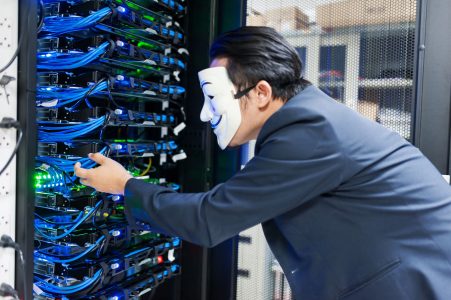
There’s no doubt that the holiday season boosts sales, but it can also bring unwanted visitors. A lot like the “Wet Bandits” in Home Alone, cybercriminals hunt for easy targets. During this busy time, small businesses must juggle more orders, manage seasonal staff, and meet deadlines. To put it another way, they want the digital equivalent of an unlocked door.
In 2024, 94% of small and mid-sized businesses experienced at least one cyberattack. What’s more alarming? According to 78% of respondents, one breach could spell the end of their business. Similar to that, Mastercard found that nearly one in five business owners who were attacked ended up filing for bankruptcy. In addition, 80% of respondents reported spending time rebuilding trust with clients and partners after an attack.
Those numbers are not only frightening like the Ghost of Christmas Yet to Come, but they’re a wake-up call.
The good news? By taking the right precautions, you can stop cyber “bandits” in their tracks. In this guide, you’ll find practical cybersecurity tips for your small business or startup to keep them safe, strong, and thriving during the busiest and most vulnerable time of the year.
Table of Contents
ToggleUnderstanding the Holiday Threat Landscape
To understand why cybercriminals target small businesses during the holidays, we must first understand why they are so successful:
- Increased online activity. As online shopping increases, more data flows, more transactions occur, and more vulnerabilities arise.
- Staffing changes. Seasonal hires or vacations can lead to less vigilant workers. This, in turn, will make phishing and social engineering attacks more effective, as in Harry posing as a police officer while casing the hectic McCallister house.
- Distraction and urgency. It’s easy for employees to overlook suspicious emails or requests during the holidays, especially when deadlines are tight.
- Supply chain vulnerabilities. In addition to vendors and partners, you may have weak links in your broader security posture due to increased pressure.
- Focus on sales, not security. Often, businesses prioritize maximizing sales over maintaining robust security practices.
Common holiday-themed attacks and scams include:
- Phishing and spear phishing. Cyber thieves use emails disguised as urgent requests from suppliers or shipping companies to steal credentials or install malware.
- Ransomware. An encryption attack during peak sales and a ransom demand to unlock your data are nightmare scenarios.
- DDoS attacks. When your website is overwhelmed with traffic, it can disrupt service, which is especially damaging to online retailers during peak shopping seasons.
- Payment card skimming. Malicious code has been inserted into your e-commerce platform to steal customers’ credit card data.
- Supply chain attacks. Utilizing a vendor that is less secure to gain access to your systems.
Essential Cybersecurity Tips to Thwart the Wet Bandits
Now, let’s equip your business with the defenses needed to thwart digital Wet Bandits.
1. Fortify Your Digital Front Door: Strong Passwords and Multi-Factor Authentication (MFA).
Cybersecurity is built on this foundation. After all, weak passwords are an open invitation to attackers.
- Implement a strong password policy. Passwords should be long, complex, and contain both uppercase and lowercase letters, numbers, and symbols. Rather than using single words, encourage passphrases.
- Mandate multi-factor authentication (MFA). This is non-negotiable. By requiring a fingerprint scan and a code from a mobile app, two-factor authentication adds an extra layer of security. Even if a password is stolen, MFA can prevent unauthorized access. As such, all critical accounts, such as email, banking, e-commerce platforms, and internal systems, should be protected with MFA.
- Use a password manager. If you have a team, encourage them to use a reputable password manager or provide them with one. It generates and securely stores unique, strong passwords for every account.
2. Educate Your Team: Your Strongest Defense
Untrained employees can be your weakest link, which is why they are often the first line of defense.
- Cybersecurity awareness training. Offer mandatory training tailored specifically to the holiday season’s threats. Keep an eye out for phishing emails, suspicious links, and social engineering techniques.
- Phishing simulations. You should periodically send mock phishing emails to your team to reinforce training and to test their vigilance. Rather than punishing, make it a learning experience.
- “Think before you click.” This mantra should be emphasized. Employees should be trained to pause, verify the sender’s identity, and scrutinize suspicious requests before clicking links or opening attachments.
- Reporting protocols. Ensure that reports of suspicious emails or incidents are clear and concise.
3. Secure Your Network and Devices
Remember, infrastructure is a prime target for hackers.
- Keep software updated. Maintain up-to-date operating systems, applications, and plugins. Patches are often used to fix known security vulnerabilities that attackers exploit. Where possible, enable automatic updates.
- Install and maintain antivirus/anti-malware. All business devices, like computers, servers, and tablets, should be protected by robust, up-to-date antivirus software.
- Firewall protection. Block unauthorized network access by configuring and maintaining a robust firewall.
- Secure Wi-Fi networks. Ensure your business Wi-Fi passwords are strong and unique. If you offer guest WiFi, keep it separate from your internal network.
- Endpoint security. For remote workers or people who use personal devices, it is vital to implement endpoint security solutions.
4. Backup, Backup, Backup!
You should have a robust backup strategy to prevent data loss from cyberattacks, hardware failures, or human error.
- Regular backups. Automate the process of regularly backing up all critical business data either daily or even hourly during peak hours.
- Off-site and cloud backups. Back up your data to multiple locations, including secure cloud services and off-site storage. As a result, you’re protected from physical damage or local cyberattacks.
- Test your backups. To ensure data can be restored efficiently and accurately, regularly test your backup recovery process.
- Isolated backups. You should isolate your backups from your live network to prevent ransomware from encrypting them.
5. Protect Payment Card Information (PCI DSS Compliance)
To keep your credit card data secure, you must comply with PCI DSS.
- Use PCI-Compliant Service Providers. Ensure that your e-commerce platform is PCI DSS compliant and works with reputable payment processors.
- Avoid storing sensitive data. Don’t store sensitive customer payment card data on your own servers. It should be handled by a PCI-compliant payment processor.
- Tokenization/Encryption. When handling payment data temporarily, use tokenization or strong encryption.
- Regular scans. You should conduct regular vulnerability scans of your e-commerce platform and network.
6. Secure Your E-commerce Platform
Your online store likely generates significant revenue during the holidays, making it a prime target.
- SSL/TLS certificates. Your website should use an up-to-date SSL/TLS certificate (HTTPS) to encrypt data transmitted between your customers and your site. By doing so, you build trust and protect sensitive information.
- Platform security. Ensure your platform adheres to security best practices, such as those from Shopify, WooCommerce, or Magento. You should update your themes, plugins, and core software regularly.
- Monitor for skimming. Regularly review your website code and logs for unauthorized changes to prevent payment card skimming.
- Web Application Firewall (WAF). For protection against web-based attacks, implement a WAF.
7. Incident Response Plan
Incidents can occur, even with the best defenses. However, being prepared minimizes damage.
- Develop a plan. Establish a clear, step-by-step incident response plan that outlines roles and responsibilities in the event of a cyberattack.
- Key contacts. Provide contact information for IT support, legal counsel, and forensic experts.
- Communication strategy. If a breach occurs, decide how you will notify customers, employees, and relevant authorities.
- Practice the plan. Keep your incident response plan under regular review and practice — if possible.
8. Vet Third-Party Vendors and Suppliers
Vulnerabilities can be introduced by your supply chain.
- Security assessments. Evaluate a vendor’s cybersecurity practices before partnering with them to ensure a secure relationship. What are their security protocols, and are they aligned with yours?
- Vendor contracts. Your vendor contracts should contain cybersecurity clauses that detail their responsibilities for protecting your data.
- Limit access. You should grant third-party vendors only the access they need to your systems and data, and promptly revoke it when you no longer need their services.
9. Monitor and Log Activity
For early detection, vigilance is key.
- Log monitoring. Regularly check the system logs for unusual activity, failed login attempts, or unauthorized access.
- Network monitoring. Analyze network traffic for suspicious patterns or anomalies by implementing monitoring tools.
- Alerts. Alerts can help you respond quickly to critical security events.
Conclusion: A Secure and Joyful Holiday Season
Just like the Wet Bandits, cybercrime thrives on chaos and negligence. With these detailed cybersecurity measures, a small business or startup can ensure a secure and prosperous holiday season by protecting its valuable assets.
Don’t put off investing in your security. In addition to saving your business from potential disaster, vigilance, education, and strong technical controls will build customer trust, laying the foundation for continued success long after the holidays.
So, stay secure, stay vigilant, and have a truly happy and profitable holiday season.
Image Credit: Sora Shimazaki; Pexels