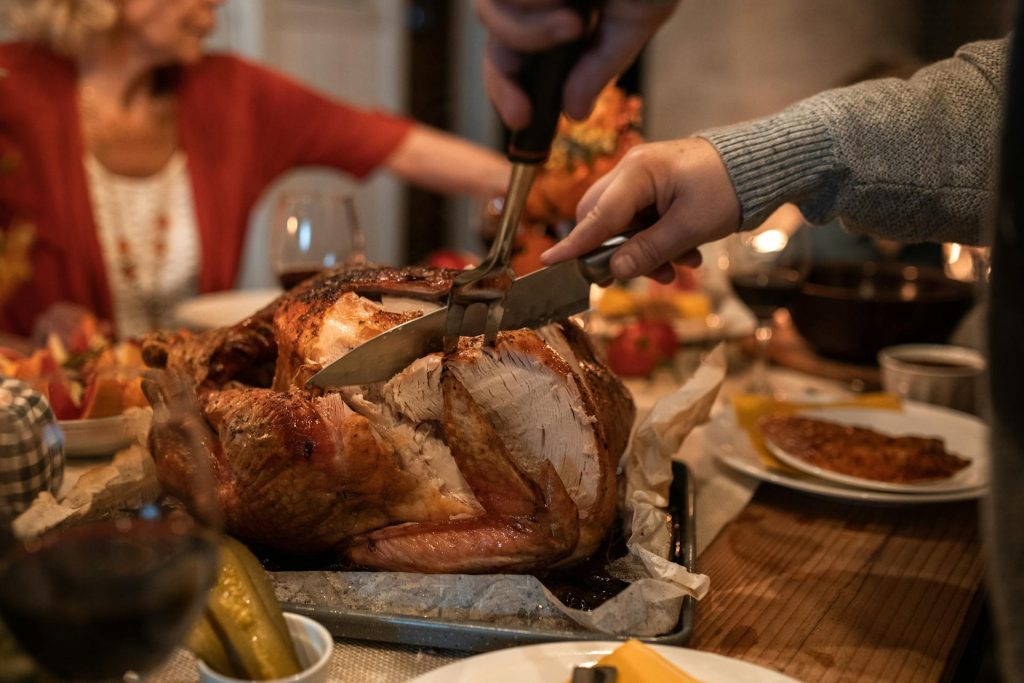
Thanksgiving is supposed to be a time of gratitude, not guilt. However, if you’re hosting, the holiday can be both expensive and heartwarming. With turkey, sides, drinks, decor, and travel costs, Thanksgiving dinner for 10 people in 2024 costs $58.08, about $5.80 per person. This isn’t a small feast for retirees or people watching their spending.
I have to tell you — my staff thought this post should go out the week of Thanksgiving. Well, it’s three weeks away, folks! You can’t budget the week of an event, but you can do something now. The good news? Even without overspending or cutting corners, you can host a festive, delicious, and memorable Thanksgiving. It just takes a little planning, creativity, and collaboration to make your holiday both enjoyable and inexpensive.
In this post, we’ve rounded up some budget Thanksgiving ideas this year — while still keeping gratitude (and gravy) high.
Table of Contents
ToggleStart with a Realistic Budget
Before grocery shopping, determine what you can comfortably afford. During the holiday season, setting a spending limit is one of the best ways to prevent a financial hangover.
Consider dividing your budget into the following categories;
- Drinks and food, such as turkey, sides, desserts, and beverages.
- Décor and table settings
- Travel or hosting expenses, like gas and cleaning supplies.
Next, prioritize. If food is your top priority, it may be better to skip store-bought decorations and pricey beverages. When stores start pushing “holiday must-haves,” it’s easier to resist impulse buys when you have clear numbers in mind.
Pro tip: Use a budgeting app or spreadsheet to track expenses in real time. Seeing the totals add up can help you make smarter choices as you shop.
Plan a Smart, Streamlined Menu
Thanksgiving menus often grow out of nostalgia. For example, the family may say, “We always make three kinds of pie” or “Grandma’s recipe must remain.” However, more dishes mean more ingredients, more time, and more waste.
Instead, create a menu centered around crowd favorites. To keep your guests satisfied, you don’t have to serve everything under the autumn sun. In most cases, turkey, two or three sides, and one dessert are sufficient for a large gathering.
Listed below are some budget-friendly ideas;
- Mashed potatoes. Filling, cheap, and always popular.
- Stuffing. Use stale bread or a boxed mix with herbs and broth.
- Roasted vegetables. During the season, carrots, squash, and Brussels sprouts are often affordable and colorful.
- Cranberry sauce. Avoid buying canned cranberries; make your own from a $2 bag of cranberries.
A great way to include people with dietary restrictions is to ask them to bring their own favorite dish to share. It’s cost-efficient and inclusive.
Make It a Potluck Thanksgiving
It’s true that “many hands make light work” when it comes to holiday hosting. After all, the host doesn’t have to provide every dish.
As such, consider turning Thanksgiving into a potluck. To avoid six pumpkin pies and no rolls, ask each guest to bring something specific — a side, dessert, or drink.
By spreading out the cost and effort, most people will be happy to contribute. Those on fixed incomes or retirees can enjoy the celebration without worrying about overspending.
For menu coordination, create a shared document or group chat. You and your guests will both benefit from knowing what’s covered.
Shop Smart (and Early)
Waiting until Thanksgiving week will likely cost you more. Demand spikes make turkey and seasonal items more expensive.
Several weeks in advance, buy nonperishable items like canned goods and frozen vegetables. When stores offer sales, stockpile strategically. If you purchase other groceries at a supermarket, you can receive a deeper discount on turkey. Depending on the store, loyalty members may be eligible for turkeys if they spend a certain amount during a qualifying period.
To find the best deals, compare prices across stores and apps like Flipp and Ibotta. Also, if you’re looking for basics such as foil pans, spices, or paper goods, don’t overlook dollar stores and warehouse clubs.
Bonus tip: If you have a rewards or cash-back credit card, use those points to offset grocery expenses. It’s a subtle but effective way to lower your out-of-pocket costs.
Cut Costs Without Cutting Corners
You don’t have to settle for less when you’re hosting on a budget. It’s all about being resourceful.
To keep costs down, try these creative swaps;
- Skip the whole turkey. Often, it’s cheaper and quicker to cook a smaller bird or just turkey breasts or thighs.
- Bake from scratch. Compared to store-bought pies or rolls, homemade pies are generally cheaper and often taste better.
- Use what you already have. Use items from your kitchen or storage as centerpieces before buying décor. A bowl of apples and pinecones or a candle can make a table look warm and inviting.
- Serve simple drinks. Instead of a full bar, offer a signature cocktail or festive punch, plus water and coffee.
Guests are unlikely to care about extras such as themed napkins or expensive wines. In the end, it’s all about the atmosphere and connection.
Embrace DIY Décor and Ambiance
If you want to make your home feel special, you don’t need designer centerpieces or custom place settings.
For a low-cost DIY decor project, try these ideas:
- For a natural centerpiece, collect colorful fall leaves, pinecones, or branches.
- Write what you’re thankful for on brown paper and use it as a table runner.
- Arrange candles or flowers in mason jars or old vases.
- You can find free Thanksgiving decor templates online or name cards that you can print.
Also, make decorating a family affair if you have kids or grandchildren. It’s much more meaningful and fun than buying something already made.
Don’t Overbuy Food (and Plan for Leftovers)
One of the highest hidden costs of Thanksgiving is food waste. Every year, Americans throw away over 300 million pounds of food after the holiday season.
Take your time calculating portions to avoid overspending. For each person, 1 to 1.5 pounds of turkey should be enough, and side dishes should be smaller.
Even if you end up with extra food, you can stretch it by planning ahead;
- Make soup, sandwiches, or casseroles with leftover turkey.
- You can freeze portions for future meals.
- Guests will appreciate leftover containers to take home.
You owe it to yourself to make sure the food keeps giving after the holidays.
Focus on What Really Matters
When you strip away the fancy dishes and Pinterest-perfect tablescapes, Thanksgiving is about gratitude and connection, not appearances.
Remember that your guests aren’t there for a five-star restaurant experience. It’s a place for sharing memories, laughter, and delicious food.
Gratitude jars, sharing what you’re thankful for, or playing old family music are often more meaningful than elaborate food spreads.
Use Technology to Stay on Track
Costs can pile up quickly, even for a single holiday. But you can keep your budget in check with these small digital tools.
- PocketGuard or Monarch Money. Real-time tracking of your Thanksgiving spending.
- Mealime or Paprika. Plan recipes and grocery lists efficiently with these apps. I take the three fantastic use-up-the-turkey recipes I have and make all three at the same time, the day after Thanksgiving. I make one-meal-sized portions, freeze them, and only bring them out on rough holiday shopping days during the next month.
- Venmo or Zelle. Provides an easy way for friends and family to contribute to the costs. They will ask — let them help if they want to.
For a stress-free and financially savvy celebration, use these tools as your virtual sous-chefs.
Reflect and Reuse for Next Year
After the feast, note what worked and what didn’t. Which dishes disappeared first? Were any not worth the effort or cost?
Keep leftover decorations, tableware, and serving pieces organized and labeled for next year. Over time, these small habits will lead to significant savings.
When it comes to Thanksgiving on a budget, it’s not just about spending less; it’s about being intentional. With your example, future holidays will be less about financial stress and more about shared joy.
Final Thoughts
Hosting Thanksgiving doesn’t mean emptying your wallet. Smart planning, collaboration, and creativity will allow you to enjoy a warm, abundant holiday without breaking the bank.
Gratitude has always been at the heart of Thanksgiving, not grandeur. Rather than focusing on the price tag, you’ll discover the holiday’s best parts can’t be purchased; they’re shared.
FAQs
What’s the average cost of hosting Thanksgiving?
Depending on the location and menu choice, the average cost is $60–$70 per person. By planning early and hosting a potluck, you can cut this in half.
Is it cheaper to buy a fresh or frozen turkey?
Frozen turkeys are generally less expensive and available year-round. Frozen turkeys are also often on sale outside the holiday season. If you buy early, thaw it safely in the fridge a few days before cooking.
How can retirees host Thanksgiving affordably?
Consider senior discounts, community resources (such as church potlucks), and family contributions.
What’s the best way to save on décor?
DIY and reuse. For almost nothing, you can create a festive look using natural elements like leaves, candles, or pumpkins.
How do I avoid food waste after the holiday?
Don’t forget to freeze leftovers, plan the next day’s meals, and give your guests takeout containers to take home. As a result, you’ll save money and reduce waste.
Image Credit: RDNE Stock project; Pexels