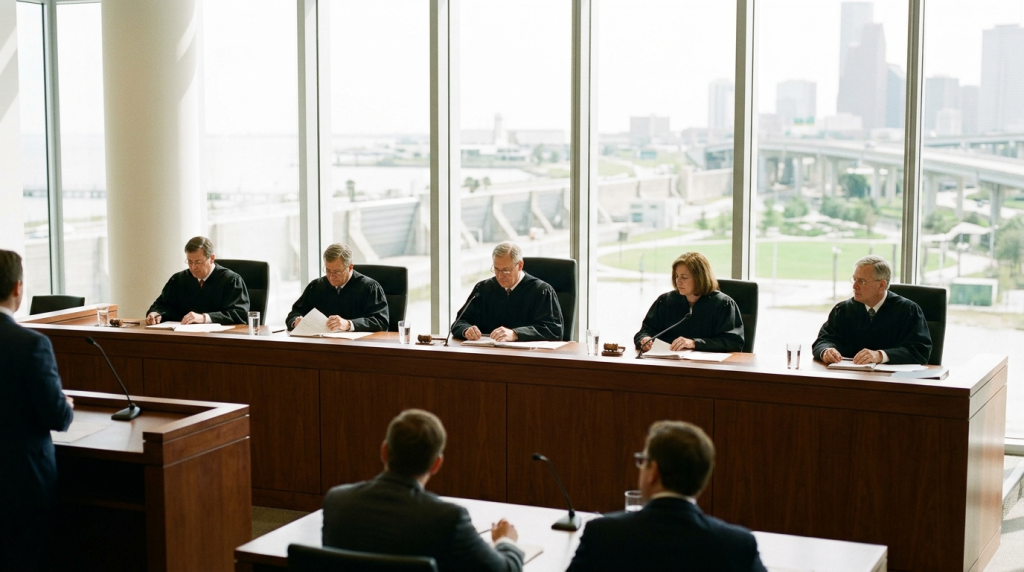
Justices will open their new term with a landmark dispute over whether local governments may sue oil companies for climate-related damage. The case could shape who pays for rising public costs and where those claims may be heard.
At issue is a direct but difficult question: Can cities and other local authorities seek compensation from fossil fuel producers for climate-related damage? The answer may affect governments, energy companies, taxpayers, and future environmental litigation.
“The justices will begin their new term with a landmark case about whether local governments can sue oil companies over damages caused by climate change.”
Table of Contents
ToggleA Fight Over Costs and Responsibility
Local governments face growing expenses tied to climate risks. These may include flood controls, emergency response, heat planning, water systems, and post-storm repairs.
Lawsuits offer one possible route for shifting some costs from taxpayers to oil companies. Local authorities may argue that producers should bear responsibility if their conduct contributed to measurable harm.
Oil companies are expected to challenge that approach. Climate change results from worldwide emissions produced over many decades. Companies may argue that courts cannot fairly assign local damage to individual producers.
That dispute creates a legal puzzle with a very large bill attached. Courts must consider whether traditional damage claims can address a global problem involving governments, businesses, and consumers.
Why the Court’s Decision Matters
The ruling could determine whether local climate cases proceed, face tighter limits, or stop before reaching a full trial. It may also clarify how much authority local governments have in climate disputes.
Several practical questions sit beneath the broader legal issue:
- Whether local governments have a valid right to sue.
- How courts can connect specific damage to particular companies.
- Whether climate policy belongs mainly with lawmakers and regulators.
- Who should pay for adaptation, repairs, and public protection.
A decision favoring local governments could encourage more claims against major producers. It could also increase pressure on companies to disclose climate risks and defend their past conduct.
A decision favoring oil companies could restrict that strategy. Local governments might then depend more heavily on taxes, public borrowing, insurance, and state or federal aid.
Courts Enter a Policy Dispute
Climate policy has long been shaped through legislation, regulation, and international agreements. Damage lawsuits add another route by asking judges and juries to assign legal responsibility.
Supporters of local claims may view courts as a proper forum for seeking payment after alleged harm. They may also argue that public budgets should not carry every climate-related cost.
Critics may counter that lawsuits produce uneven rules across jurisdictions. They may say elected lawmakers are better placed to balance energy needs, economic effects, and emissions policy.
The case therefore reaches farther than a single lawsuit. It tests the line between courtroom remedies and political decisions. It also asks whether existing legal tools can handle harm spread across time and borders.
What to Watch During the New Term
The justices’ questions may reveal whether they are focused on local authority, proof of causation, or the courts’ role in climate policy. The scope of any ruling will matter as much as which side wins.
A narrow opinion could settle only the immediate dispute. A broader ruling could set rules for many similar cases and reshape legal strategy across the energy sector.
The central stakes are clear. Local governments want options for recovering climate costs, while oil companies face the prospect of wider liability. The court’s response may decide whether those arguments receive a full hearing or meet a legal roadblock at the courthouse door.
Image Credit: