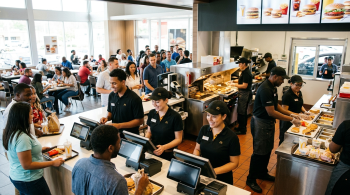
McDonald’s is leaning more heavily on its existing restaurants to support growth as the pace of new store openings slows. The strategy puts more pressure on current locations to increase sales, serve customers faster, and use their buildings and staff more effectively.
The shift suggests that near-term expansion will depend less on adding restaurants and more on improving performance across the company’s current network. That approach may limit construction costs, but it also raises the stakes for restaurant operators.
Table of Contents
ToggleExisting Stores Take Center Stage
New restaurants can add sales by expanding a chain’s physical reach. When unit growth slows, however, companies must find more value inside the stores they already operate.
For McDonald’s, that could mean attracting more visits, lifting the average customer order, or handling more transactions during busy periods. Menu pricing, promotions, digital ordering, delivery, and operating speed can each affect those results.
The plan can be measured through several practical questions:
- Are more customers visiting existing restaurants?
- Are diners spending more per order?
- Can kitchens handle added demand without longer waits?
- Are sales gains large enough to offset slower unit expansion?
This focus is pragmatic. Existing restaurants already have kitchens, equipment, workers, and established customer traffic. Improving their output may require less capital than building new locations from scratch.
Franchisees Face Added Pressure
A strategy centered on current restaurants may place more responsibility on franchisees, who operate individual locations and manage daily costs. Higher sales can improve store economics, but upgrades and promotional programs may also demand fresh spending.
Operators must balance several competing needs. They may need enough workers to keep service moving, while controlling labor costs. They may also face pressure to update equipment or ordering systems without disrupting operations.
Execution will matter as much as the strategy itself. A promotion that draws more customers can backfire if kitchens become crowded or orders take too long. Growth from existing stores works best when higher demand does not weaken the customer experience.
Slower Expansion Changes the Equation
Unit expansion has long offered restaurant chains a direct route to higher revenue. More locations create more places to sell meals. Yet expansion also brings construction expenses, real estate decisions, hiring needs, and the risk that nearby restaurants compete for the same customers.
Slower openings can therefore bring trade-offs. McDonald’s may avoid some expansion risk while concentrating resources on proven sites. On the other hand, fewer new restaurants may reduce access to undeveloped markets and make future growth more dependent on consumer spending at existing locations.
The strategy also makes sales quality important. Revenue gains caused mainly by higher prices may look different from gains driven by stronger customer traffic. Price-led growth can support short-term results, but repeated increases may test diners who are watching their budgets.
Investors Will Watch Restaurant-Level Results
The central test will be whether existing stores can produce steady gains without sacrificing speed, value, or operator profits. Investors are likely to monitor customer traffic, average spending, restaurant margins, and the pace of future openings.
Customers will see the strategy at the counter and drive-through. Faster service, sharper promotions, and reliable menu value could support repeat visits. Longer waits or weaker affordability could have the opposite effect.
McDonald’s plan does not abandon expansion. Instead, it changes the immediate source of momentum. Current restaurants are being asked to do more of the heavy lifting, a sensible approach if operations remain efficient and franchisees share in the gains.
The next stage will depend on execution. If established locations can serve more customers while protecting value and profit, slower unit growth may be manageable. If traffic weakens or costs rise, the company may need to reconsider how quickly it adds new restaurants.