A proposal to stop sharing American diesel with foreign buyers may sound like a direct way to lower domestic fuel prices. Yet the policy carries serious economic and diplomatic risks. I see it as a test of whether short-term price relief is worth possible harm to energy markets, European allies, and American producers.
Table of Contents
ToggleThe Case for Keeping Diesel at Home
The argument begins with a sharp increase in diesel prices. The cited price is $6.52 per gallon, up from $3.69 a year earlier. That is an increase of $2.83 per gallon, or about 77 percent.
Such a jump affects far more than diesel car drivers. Trucks move food, construction materials, retail goods, and industrial equipment. Farms also rely on diesel-powered machinery. Higher fuel costs can ripple through much of the economy.
The proposed response is simple: stop exporting diesel and reserve more fuel for American buyers. If domestic supply rises while demand remains stable, prices could fall.
That logic has some merit. Export limits may leave additional gallons in the United States, at least for a time. Traders could also lower prices if they expect a larger domestic surplus.
However, energy markets rarely respond to one policy in isolation. Refinery operations, transportation limits, regional fuel standards, crude oil prices, and seasonal demand all shape the final price.
View this post on Instagram
Why an Export Halt May Not Deliver Cheap Fuel
Diesel does not move freely from every refinery to every American market. A refinery on the Gulf Coast may have strong access to export terminals but limited routes to a distant domestic buyer.
Pipelines, ports, storage sites, and trucking capacity determine where fuel can go. Keeping diesel inside the country does not guarantee that it will reach the region facing the highest prices.
Refiners also make several products from crude oil. Their output can include gasoline, diesel, jet fuel, heating oil, and other products. They adjust production based on demand, equipment, regulations, and expected returns.
If export restrictions reduce the value of diesel production, some refiners could cut output or change their product mix. That response might reduce the amount of extra supply created by the policy.
The main economic questions include:
- How much diesel would remain in the United States?
- Could existing infrastructure deliver it to areas with shortages?
- Would refiners maintain production if overseas sales disappeared?
- How long would any domestic price reduction last?
- Would trading partners answer with restrictions of their own?
An export halt could still produce temporary relief. Yet officials should not present lower prices as an automatic result. The size and duration of any benefit would depend on market conditions.
Europe Faces Greater Diesel Exposure
The policy looks different from Europe’s side of the Atlantic. European economies use roughly twice as much diesel as the United States, according to the figures presented in this argument.
Diesel has long played a major role in European transport, freight, industry, and heating. Many European countries also depend on imported energy. That makes sudden supply disruptions especially painful.
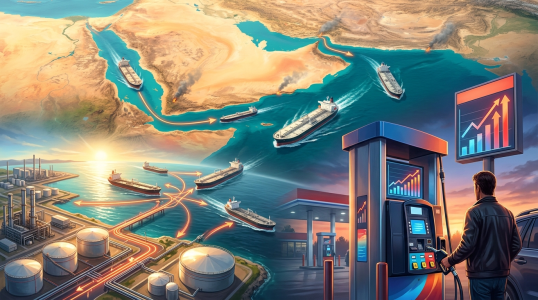
The concern grows under a military scenario involving Iran. A United States decision to attack or invade Iran could disrupt oil markets, shipping routes, or both. Even the threat of conflict could increase prices through fear of lost supply.
In the scenario, European diesel rises to $10 per gallon. At that point, an American refusal to export diesel would place added pressure on governments, companies, and households already facing an energy shock.
I would not treat the $10 figure as a guaranteed forecast. It is better understood as an illustration of risk. A conflict linked to Iran could affect crude oil flows through the Persian Gulf and the Strait of Hormuz. Those routes matter to global energy trade.
Price increases would not stay limited to Europe. Oil and refined fuels are traded internationally. A major disruption can lift costs across many regions, even where governments attempt to isolate local consumers.
The Diplomatic Cost of Energy Nationalism
The central issue is not only the price at the pump. It is also the United States’ credibility as an ally and supplier.
If Washington helped trigger a military crisis and then withheld diesel from Europe, allied governments could view the decision as abandonment. They might argue that the United States created part of the emergency before shifting its costs overseas.
“Who needs enemies when you’ve got friends like that?”
The line is pointed, but it captures the diplomatic danger. Alliances rely on shared interests and predictable conduct. Partners do not expect perfect agreement, but they do expect consultation during a crisis.
Restricting exports without coordination could weaken trust within NATO and other partnerships. European leaders might respond by seeking different suppliers, expanding fuel reserves, or reducing future reliance on American energy.
Those choices could have long-term effects on American exporters. Once buyers invest in new contracts and infrastructure, recovering lost market share may be difficult.
Domestic Relief Versus Shared Security
American policymakers must consider domestic affordability. A household or small business struggling with high fuel bills cannot be asked to ignore immediate costs.
Still, national interest is not always the same as keeping every available gallon at home. Reliable trade relationships can improve security by giving countries more ways to respond to emergencies.
Export controls may also encourage other governments to adopt similar policies. If every producer restricts fuel during a shortage, global supply becomes less flexible. Countries with limited refining capacity may face severe disruptions.
A more measured response could combine domestic support with coordination among allies. Possible steps include:
- Releasing emergency fuel reserves under clear conditions.
- Coordinating temporary supply plans with European governments.
- Addressing pipeline, storage, and port bottlenecks.
- Supporting households and industries most exposed to diesel costs.
- Reviewing whether military action could create larger energy risks.
Each option has costs. Reserve releases are limited, infrastructure takes time, and subsidies can strain public budgets. Even so, these measures may avoid the broad damage caused by an abrupt export ban.
Military Decisions and Fuel Policy Cannot Be Separated
The Iran scenario raises a larger question about policy consistency. Military action can disrupt energy supplies, raise insurance costs, and threaten shipping. Fuel policy must account for those results before a conflict begins.
A government should not treat intervention abroad and energy prices at home as separate subjects. The same decision can affect both.
If military action drives prices higher, limiting exports afterward may transfer part of the burden to allies. It does not remove the underlying shortage. Nor does it shield the United States from a global rise in crude oil prices.
I believe policymakers should explain that trade-off in plain language. Citizens deserve to know how foreign policy choices may affect transportation, food prices, manufacturing, and relations with allied nations.
A Better Standard for Evaluating Export Limits
Any proposal to restrict diesel exports should be judged against clear standards. The first is effectiveness. Officials should estimate how much the policy would lower prices and for how long.
The second is distribution. A national average can hide large regional differences. Policymakers must determine which communities and industries would receive the added fuel.
The third is retaliation. Trading partners may respond with their own limits on goods or resources American consumers and manufacturers need.
The fourth is alliance risk. A modest domestic benefit may not justify lasting damage to strategic partnerships, especially during a conflict.
Finally, leaders should compare an export halt with narrower tools. Targeted aid, coordinated reserve releases, and logistical changes may offer relief with fewer unintended costs.
The appeal of keeping American diesel at home is easy to understand. Prices rising from $3.69 to $6.52 per gallon create real hardship and political pressure. Yet a simple ban may not produce a simple outcome.
The broader lesson is that energy security depends on supply, infrastructure, trade, and diplomacy. If the United States contributes to a crisis involving Iran, it should consider the burden placed on European allies. Domestic relief matters, but so do trust and shared security. A careful, coordinated policy is more likely to protect both.
Frequently Asked Questions
Q: Would stopping diesel exports lower prices in the United States?
It could increase domestic supply and create temporary price relief. The result would depend on refinery output, transportation capacity, regional demand, and the restriction’s length.
Q: Why is Europe especially sensitive to a diesel shortage?
Europe uses diesel heavily for freight, passenger transport, industry, and heating. Its higher diesel use and reliance on imported energy can increase exposure during a global supply disruption.
Q: How could a conflict involving Iran affect diesel costs?
Conflict could threaten oil production or shipping through the Persian Gulf. Higher crude prices and transport risks would raise refining costs, which could increase diesel prices in Europe and the United States.