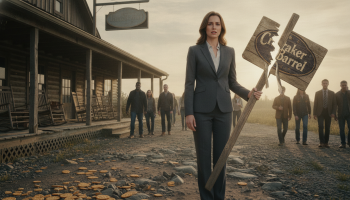
Cracker Barrel said its chief executive will step down next month, less than a year after a rebrand stirred a fierce customer backlash that rattled the country chain. The Lebanon, Tennessee, company said Julie Masino will step down from the top job and stay on as an adviser until October 9. The change signals a reset after a marketing push failed to land with core diners.
The move arrives as the restaurant industry tries to balance cost pressures with brand makeovers. Leaders across casual dining have refreshed logos, menus, and store formats to lure younger guests. That approach can win new fans, but it risks alienating loyal customers who expect familiar comfort at a fair price.
Table of Contents
ToggleWhat Happened And Why It Matters
Cracker Barrel’s CEO is stepping down nearly a year after an attempted rebrand of the chain led to a fierce customer backlash.
According to the company, Masino will exit next month and continue to advise through early fall.
Lebanon, Tennessee-based Cracker Barrel said Monday that CEO Julie Masino will step down next month but remain with the company until Oct. 9 in an advisory capacity.
The timing suggests leaders want space to reconsider strategy ahead of the holiday travel season. For a business tied to road trips and family gatherings, misreading guests can quickly show up in traffic and ticket averages.
Rebrand Meets Resistance
The rebrand aimed to refresh a legacy image. Many customers, however, signaled they did not want a new identity as much as they wanted consistent food, friendly service, and value. Online reactions gathered steam and framed the effort as a break from the brand’s roots. That clash forced a quick rethink.
Brand experts often warn that identity shifts must match what guests already value. A new look that changes expectations can confuse regulars and depress visits. Restaurants that win tend to pair updates with clear signals that staples are safe.
Leadership Transition And Next Steps
Cracker Barrel said Masino will advise until October 9, giving the board time to steady operations and messaging. A short runway can reduce uncertainty for staff and franchise partners. It also allows the company to listen before locking in another round of changes.
- Stabilize menu, marketing, and pricing around guest feedback.
- Test updates in limited markets before a broad rollout.
- Rebuild trust with clear communication on what is staying the same.
Any successor will inherit a to-do list that starts with basics. Service speed, portion perception, and consistent quality often matter more to returning guests than a new logo.
Lessons From Other Turnarounds
Past restaurant refreshes show that modest, kitchen-first tweaks can set the stage for marketing later. Rolling out small menu edits, retraining teams, and improving store upkeep can earn patience from regulars. Once those wins show up in reviews and sales, brand polish has a friendlier audience.
Case studies from casual dining also point to measured investments. Companies that piloted new store designs in a handful of locations learned which ideas actually moved guest satisfaction. That data helped avoid costly systemwide changes that did not pay off.
What To Watch
Investors and employees will look for a clear plan within the next quarter. Signals to monitor include guest traffic, repeat visits, and sentiment on value. Menu pricing and promotions will also show how the company balances margin needs with loyalty.
For customers, the message that staples are secure could matter most. If leadership anchors changes around familiar comfort, the brand could slow the backlash and rebuild goodwill. If future updates feel cosmetic without fixing core dining pain points, headwinds may continue.
Cracker Barrel now faces a simple, hard task. Put the guest first. Protect the parts of the experience people love. Test everything else. The next leader’s early moves will show whether the company heard that message.