Ukraine has stepped up pressure on Russia by zeroing in on Wildberries, the country’s largest online retailer, in a move that suggests the conflict is widening into daily economic life. The effort appears to have gathered pace in recent days, pointing to a strategy that goes past oil depots and rail lines to hit a household name used by millions across Russia.
The shift matters because Wildberries is a core part of Russia’s consumer economy. The company runs a vast network of pickup points and couriers across the country. Any disruption can ripple through supply chains and public sentiment, two levers that both sides monitor closely.
Table of Contents
ToggleWhy Wildberries Matters
Wildberries, founded by Tatyana Bakalchuk in 2004, grew from a small online shop to a national retail platform. It captures a large share of Russia’s e-commerce orders and serves customers in most regions. The company lists millions of products and works with a wide base of local sellers.
This scale gives the platform strategic weight. It links warehouses, payments, last-mile delivery, and customer data. During past sanctions campaigns, Russian shoppers relied more on domestic platforms like Wildberries as foreign brands pulled back. That made the company even more central to daily life.
A New Phase of Pressure
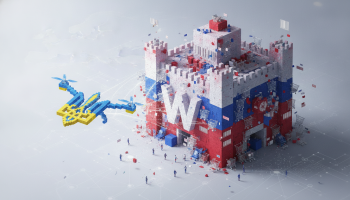
“Ukraine has ratcheted up its attacks on Russia’s Amazon-style retail giant Wildberries, signaling a new phase in the war.”
The focus on a mass-market retailer signals a broader aim: strain public confidence and stretch the systems that keep the Russian economy running. Attacks on consumer platforms can be disruptive even without hitting front-line units. They can create delivery delays, spook sellers, and complicate payments.
Analysts say this fits a pattern seen over the last year, when strikes and cyber actions targeted refineries, depots, and logistics hubs deep inside Russia. Retail and delivery networks sit on the same web of roads, warehouses, and data centers. Hit one node, and others feel the stress.
How Attacks May Unfold
There are several ways a large online retailer could come under pressure. Each carries different levels of risk and visibility.
- Cyber operations that disrupt websites, apps, or payment flows.
- Strikes on warehouses or delivery hubs that slow fulfillment.
- Information operations that unsettle shoppers and sellers.
Even brief outages can trigger backlogs. Couriers wait. Inventory misaligns. Customer refunds rise. If repeated, these problems erode trust and push up costs for both the platform and its merchants.
Reactions and Risks
Moscow is likely to frame any disruption as terrorism and to play up resilience. The government has promoted domestic platforms as proof the economy can adapt under pressure. If Wildberries suffers visible problems, officials may move to shield it with tighter network security, legal steps against resellers, or incentives to keep orders flowing.
For Kyiv, the payoff lies in cumulative effects. Small shocks can add up if they trigger lost sales and higher insurance costs. But there are risks. Strikes that cause civilian harm can draw criticism and feed Russian narratives. Cyber operations that spill over to neutral services could raise diplomatic costs.
Economic and Military Effects
Retail disruptions do not stop tanks. They do change the tempo of life. When delivery schedules slip, sellers hold extra stock and tie up cash. When shoppers doubt they will get orders on time, they switch platforms or delay purchases. Over months, that can shave growth and unsettle tax receipts.
For Russia’s war effort, a weaker consumer sector narrows fiscal room. It also challenges the claim that life carries on as normal. For Ukraine, stretching Russian response teams across energy, transport, and retail forces hard choices about what to protect first.
What to Watch Next
Key signs will show whether this pressure campaign is sticking. Watch for recurring outages on retail apps and payment tools. Monitor reports of delayed deliveries or strikes on key warehouses. Check merchant forums for complaints about settlements or chargebacks. If sellers begin to cross-list more heavily with rivals, it will signal a trust gap.
The path ahead depends on staying power. If Ukraine keeps pressure on logistics and data systems, Wildberries could face rolling disruptions that are hard to patch. If Russia hardens defenses and absorbs the shock, the effort may shift to fresh targets.
For now, the move to hit a platform that shows up on Russian doorsteps every day sends a clear message. The war is pressing into daily routines, not just distant fronts. The next few weeks will show whether this tactic dents confidence or merely nudges shoppers to try a different cart.