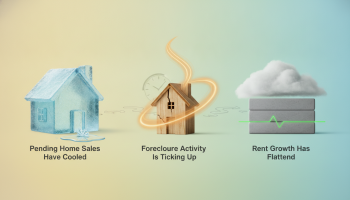
Three closely watched housing indicators are pointing in different directions, setting a tricky midyear scene for buyers, sellers, and financial advisors. Pending home sales have cooled, foreclosure activity is ticking up, and rent growth has flattened across many markets. The shift arrived as families weigh summer moves and rate watchers scan for a path to easier borrowing.
Pending sales drop, foreclosures rise and rents flatten, giving advisors a mixed mid-year housing signal.
The combined reading suggests a market losing some heat without fully tipping into distress. It also hints at a modest reset in pricing power, especially for renters, while buyers face persistent affordability challenges.
Table of Contents
ToggleWhat The Indicators Show
Pending home sales capture signed contracts on existing homes. When they fall, it signals slower closings in the next month or two. Lower pending sales often follow rate bumps or tight inventory.
Foreclosures reflect legal actions after missed payments. A rise may point to strain among recent buyers or owners with thin cash buffers. They can also stem from clearing backlogs from earlier periods.
Flat rents suggest that landlords have hit resistance on price increases. It often occurs when new supply meets demand, or when tenants hit budget limits.
Why Pending Sales Matter
Pending sales are an early read on demand. They move ahead of closed sales and price data. If the trend persists, real estate agents could see fewer listings and leaner pipelines into fall.
For buyers, cooler pending sales may translate to a little more negotiating room. For sellers, it can mean longer days on market and more price cuts to spark interest.
- Lower pending sales can slow price appreciation.
- They often pressure sellers to offer concessions.
- They may prompt builders to add incentives.
Foreclosures: Warning Or Noise
A rise in foreclosures sounds alarming, but context matters. Levels remain well below the spikes seen during past crises in many regions. Some of the gain likely reflects the normalization of court processes and the end of temporary relief programs.
Advisors watching credit quality say the key is the pace of change. A gradual climb suggests household stress is building slowly. A sharp jump would be a red flag for neighborhoods with large shares of recent high-leverage buyers.
Investors often treat early foreclosure increases as a signal to scrutinize submarkets, not to exit the sector entirely.
Rents Flatten: Relief With Caveats
Flat rents bring relief to tenants after a long stretch of increases. In many cities, new apartments are finally opening, and job growth has cooled from its peak. That combination caps landlords’ pricing power.
For multifamily owners, stable rents mean higher focus on occupancy and resident retention. Concessions like a free month or reduced fees can keep buildings full. For inflation watchers, rent stability can help ease overall price pressures.
Advisors Weigh The Cross-Currents
Financial planners say the mixed signals argue for patience and precision. Buyers with strong credit may benefit from less competition and more inventory later in the year. Sellers might prepare for pre-inspections, realistic pricing, and mortgage buydown offers.
Property investors are reworking models to reflect slower rent growth and slightly higher credit risk. They are stress testing cash flows against longer lease-up times and modest vacancy.
Homebuilders appear caught in the middle. Slower sales can push them to keep offering rate buydowns, closing cost help, and design credits to move inventory.
What To Watch Next
The next few months will hinge on interest rates, job stability, and supply. A small drop in mortgage rates could revive pending sales. A softer job market could push foreclosures higher and keep rents flat or lower.
Local factors will drive outcomes. Markets adding new apartments may see rents cool faster. Areas with limited listings may still see bidding wars, even as national pending sales dip.
Advisors and clients should track three items closely: contract activity, price cuts on listings, and delinquencies. Together, they offer an early read on where prices and payments are heading.
The midyear picture is mixed, not dire. Slower pending sales hint at a gentler resale market. Rising foreclosures call for caution, not panic. Flattening rents signal a breather for tenants. The smart move is to plan for a slower, more selective market through year-end, and to be ready to act if rates ease and listings improve.