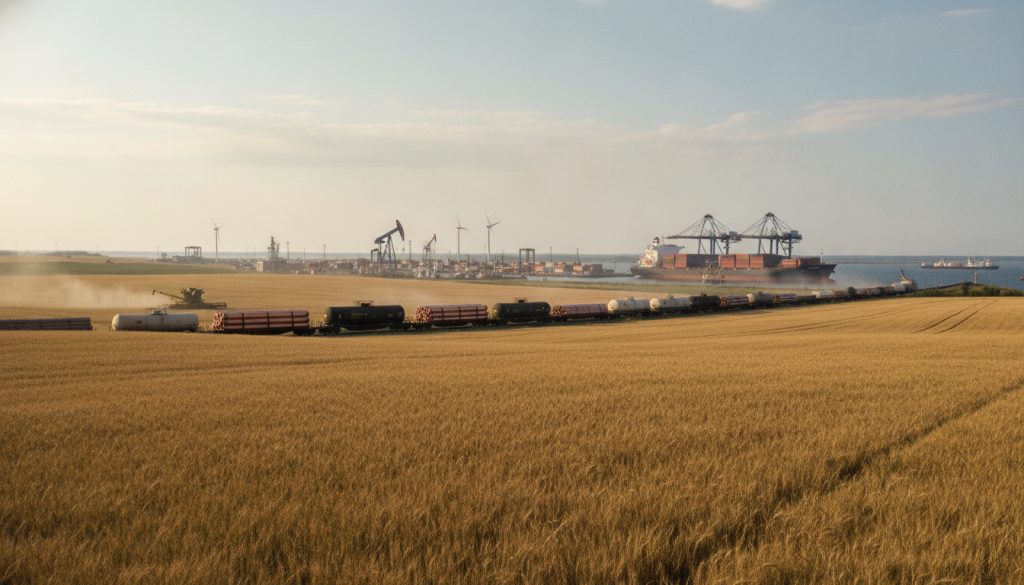
Canada’s commodity sectors are moving through a season of quick turns, from crops and crude to copper and cargo. Producers, traders, and policy watchers are scanning for signals as weather swings, shipping costs, and policy debates shape prices and supply. The story stretches from Prairie grain bins to Atlantic ports, with ripple effects for consumers across the country.
The focus spans agriculture, energy, and mining, tied together by trade routes and logistics. Analysts say the mix of climate pressure, global demand, and transport snarls keeps markets nervous. The result is a need for sharper updates and faster decisions.
Table of Contents
ToggleWhy Commodities Matter Right Now
Commodities anchor Canada’s export basket. Crop yields influence food prices at home. Oil and gas revenue funds public services and jobs. Metals feed factories and clean energy projects. When shipping slows or harvests shrink, the knock-on effects show up in store shelves, power bills, and building costs.
Market veterans point to three forces that often drive Canada’s commodity pulse. First, weather and climate risk affect planting, wildfire seasons, and hydro output. Second, global growth and currency moves change demand and margins. Third, policy choices on carbon, permits, and trade can tilt investment and timing.
Agriculture: Fields, Forecasts, and Freight
Grain and oilseed markets hinge on moisture and heat at key stages. Farmers track seeding progress, soil conditions, and harvest windows. Buyers watch rail performance and port capacity because delays can widen discounts and hit cash flow.
Food processors pay close attention to input costs. A rise in feed prices can lift meat and dairy costs. Strong crop output can soften prices and ease pressure, but only if transport keeps pace.
“Stay up to date on the latest news on Canadian commodities. We cover everything from agriculture, energy and mining to trade and supply.”
Energy: Prices, Policy, and Projects
Oil and gas producers balance price signals with project timelines. Refinery maintenance, seasonal fuel demand, and global production decisions can shift prices within days. Power markets weigh hydro levels, wind output, and peak usage, which affects industrial costs.
Longer term, investment decisions often hinge on regulatory clarity and access to pipelines or transmission. Delays can push projects into different price cycles, changing returns and staffing plans.
Mining and Metals: Supply Meets Strategy
Canada’s mining sector supplies base metals used in construction and manufacturing, along with materials tied to clean technology. Exploration results, permitting stages, and community agreements all influence timelines and supply.
Smelter capacity and energy costs can become swing factors. When power prices rise, some facilities trim output, which tightens supply and can lift prices for end users.
Trade and Supply Chains: The Glue Between Sectors
Rail, trucking, and ports link fields, wells, and mines to buyers. Weather events and labor disruptions can slow the flow of goods. Even short pauses add costs through storage fees and contract penalties.
Shippers often hedge by spreading volumes across routes. That helps manage risk, but it also requires quick decisions and up-to-the-minute information.
What Market Watchers Are Tracking
- Weather patterns that affect planting, wildfire risk, and hydro output
- Transport performance across rail corridors and port terminals
- Policy updates on carbon pricing, permitting, and trade rules
- Global demand signals tied to growth, manufacturing, and fuel use
- Currency moves that change export competitiveness and margins
Outlook: Volatility Rewards Preparation
Short-term swings are likely to continue as markets react to forecasts, inventories, and transport capacity. Many participants plan for wider ranges and quicker pivots. That could mean more hedging, flexible contracts, and tighter coordination with carriers and buyers.
For households, the path of food and energy prices will depend on harvest results and fuel markets. For businesses, the priority is securing supply at manageable costs without overcommitting.
The next few months will test how fast information travels and how well operators can adapt. Expect attention on crop progress, refinery runs, port throughput, and new project approvals. If updates arrive on time and logistics hold, pressure could ease. If not, prices may stay jumpy and planning will remain a contact sport.