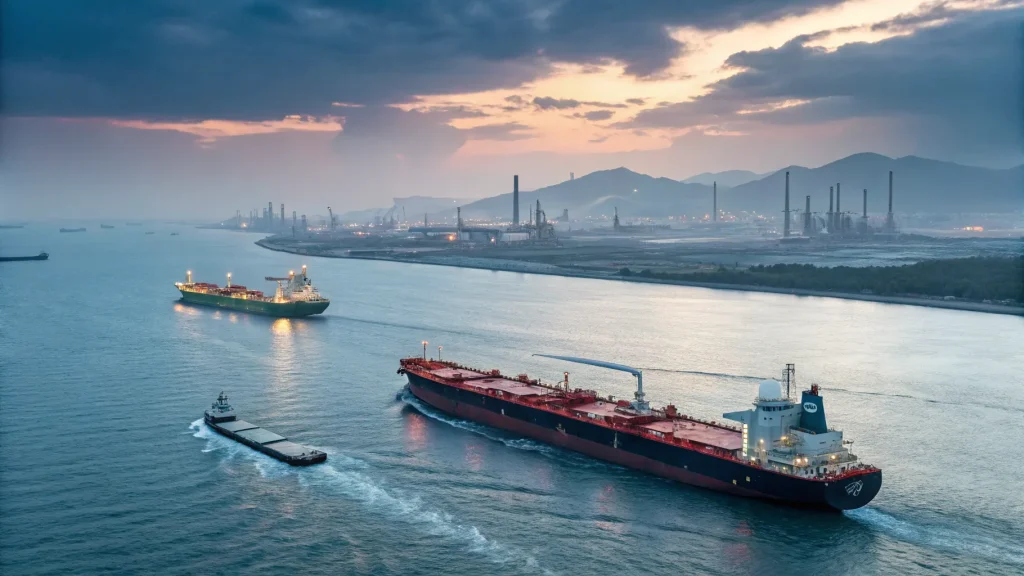
The United States has moved to ease restrictions on Iranian oil, handing Tehran a financial lifeline as talks toward a broader peace deal inch forward. The decision, announced this week, signals a shift in pressure tactics and opens the door to more Iranian crude on global markets, even as sensitive negotiations continue.
Officials framed the step as a calculated bet: give Iran economic space while testing whether diplomacy can reduce tensions and curb nuclear and regional risks. The policy change arrives amid tight oil supplies, war jitters in the Middle East, and political crosswinds in Washington.
“The U.S. issued a sweeping rollback of sanctions on Iranian oil, offering Tehran an economic lifeline as negotiations toward a peace deal proceed.”
Table of Contents
ToggleHow We Got Here
U.S. sanctions on Iran’s energy sector have swung with policy cycles for more than a decade. The 2015 nuclear deal lifted many barriers, but Washington reimposed energy sanctions in 2018. Iran’s official exports fell sharply after that point.
Smaller shipments persisted through complex trade routes. By late 2022 and 2023, analysts estimated that Iran was exporting about 1 to 1.5 million barrels per day, often through indirect channels. Exact figures remain contested due to opaque tracking.
Prior efforts to ease tensions have included prisoner exchanges and limited waivers for humanitarian trade. Energy relief, however, is a far larger lever. It affects state revenue, domestic prices in import markets, and OPEC+ dynamics.
What the Rollback Could Mean for Oil
More Iranian barrels would likely put mild downward pressure on prices if the increase is material and sustained. That effect depends on how fast shipments rise and which buyers return.
Traders will watch shipping insurance, banking clearances, and the scope of any waivers. If those pipes open, refiners in Asia could increase purchases. If not, the market impact could be muted.
- Short term: price relief if supply rises quickly.
- Medium-term: OPEC+ may adjust output to stabilize prices.
- Risk: a geopolitical flare-up could erase any gains overnight.
Tehran’s Leverage—and Its Limits
For Iran, energy revenue stabilizes the currency and helps fund subsidies. It also strengthens its hand at the table. But the relief is reversible. Any breach of agreed steps in talks could snap restrictions back into place.
Iran’s leaders must decide how to balance economic needs with political goals. Increased export demand compliance with shipping, insurance, and banking rules. Violations would frighten buyers and drain confidence.
Security Concerns and Regional Reactions
Regional governments will parse the move for signals. Gulf producers may worry about market share. Israel has warned in the past that financial relief can embolden Iranian proxies. European capitals tend to back diplomatic off-ramps if monitoring is strong.
Human rights groups argue that economic openings should come with clear guardrails and reporting. Security analysts warn that any cash inflow could spill into proxy networks if controls prove weak.
Politics in Washington
Domestic reaction is likely to split along party lines. Supporters say energy relief can support talks and lower prices at home. Critics call it risky and premature.
Key committees will seek clarity on the scope of the rollback, the legal authorities used, and any triggers that would reverse course. The administration will need to show measurable progress in negotiations to maintain support.
What Success Looks Like
Diplomats will track a few hard markers. Reduced nuclear enrichment activity and stronger inspections are two. De-escalation by regional militias is another. Clear timelines and snap-back mechanisms could help manage political risk.
If these steps stick, a phased economic opening could follow. If talks stall or violence escalates, expect sanctions to tighten again.
Signals to Watch in the Weeks Ahead
- Shipping data from key export terminals and tanker tracking.
- Insurance and banking guidance to refiners and traders.
- Statements from OPEC+ about production targets.
- IAEA monitoring reports and any verified nuclear steps.
- Congressional hearings and potential legislative pushback.
The decision to ease oil sanctions marks a high-stakes test of pressure and patience. It offers Iran a path to revenue while demanding proof of restraint. Markets will cheer any real supply bump, but geopolitics can turn quickly.
The next phase hinges on verification and discipline on all sides. If negotiators lock in concrete steps, relief could widen. If they fail, the door will close just as fast. Watch the tankers, the inspectors, and the committee rooms for the first signals of which way this goes.