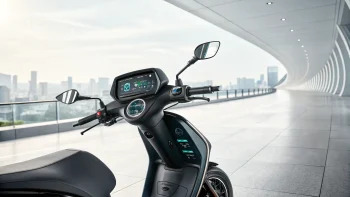
Ather Energy is pushing artificial intelligence from buzzword to dashboard feature. At The Economic Times Future of Knowledge Work Summit, company executive Anjani Kumar outlined fresh AI tools for its electric scooters that aim to make rides smoother, service smarter, and ownership easier.
Speaking during a session on hype versus reality, Kumar described how AI now sits inside Ather’s product stack, shaping core features and support. The pitch was clear: safer rides, quicker fixes, and fewer headaches after purchase.
Table of Contents
ToggleFrom Stage to Street: What Ather Promised
“From pothole detection and software diagnostics to post-ownership bots, OTA updates and voice-led scooter controls, Ather is using AI to improve riding, servicing and everyday EV ownership.” — Anjani Kumar, Ather Energy
The company’s list targets daily pain points. Pothole alerts can help riders avoid rough patches. On-device diagnostics can flag issues early. Voice controls reduce distraction. And software updates arrive wirelessly, keeping features up to date without service visits.
- Pothole detection: Spot road risks in real time.
- Software diagnostics: Identify faults before they strand riders.
- Post-ownership bots: Guide users through service and support.
- OTA updates: Deliver fixes and new features remotely.
- Voice-led controls: Let riders keep their hands on the bars and eyes on the road.
Why It Matters for India’s Two-Wheeler Market
Electric scooters are a fast-growing choice for urban travel in India. Traffic is dense, roads can be unpredictable, and maintenance downtime is costly for commuters and delivery workers. AI promises to reduce these frictions. If potholes are flagged and software bugs fixed before failure, riders save time and money.
Over-the-air updates also matter in a young EV market where hardware advances quickly. Instead of buying a new scooter for every improvement, owners can receive upgrades on the fly. That approach can extend a vehicle’s lifespan and build loyalty.
Inside the Features: Promise and Pressure
A pothole model must work across city types, weather, and lighting. False alarms annoy riders; missed warnings undermine trust. The same goes for voice controls. They need to handle accents and road noise without repeating commands. AI that learns from real rides could help, but careful testing is vital.
Diagnostics and OTA updates bring their own pressure. Remote checks can catch minor glitches, yet they rely on good connectivity and secure software. A failed update is more than an inconvenience; it can sideline a scooter.
What Riders Gain—and What They Should Watch
AI can turn scooters into active helpers. Fewer surprise breakdowns, guided service steps, and steady feature growth are real wins. But the trade-offs deserve attention.
Riders will want clear answers to a few questions:
- What data is collected on rides and roads?
- How long is it stored, and who sees it?
- Can riders opt out of certain features?
- How are updates tested before release?
Transparent policies and easy settings matter as much as fancy features. Trust is built one clean update and one accurate alert at a time.
Industry View: Hype Meets Homework
Many automakers now tout AI, from driver aids to automatic service checks. For two-wheelers, the bar is different. Scooters deal with tighter margins, rougher roads, and riders who often park outdoors. Making AI work here is a harder test than inside a car’s quiet cabin.
That puts companies like Ather on the spot. Success will be measured in stable releases, safe rides, and lower service costs—outcomes riders feel, not slides on a stage.
Kumar’s remarks set clear expectations: AI should make scooters safer, smarter, and simpler to own. The next test is on city streets. If Ather’s pothole alerts prove reliable, voice commands stay steady, and updates arrive without drama, the company could set the standard for connected two-wheelers. Watch for expanded road coverage, better language support, and more proactive service prompts as signs that the strategy is working.