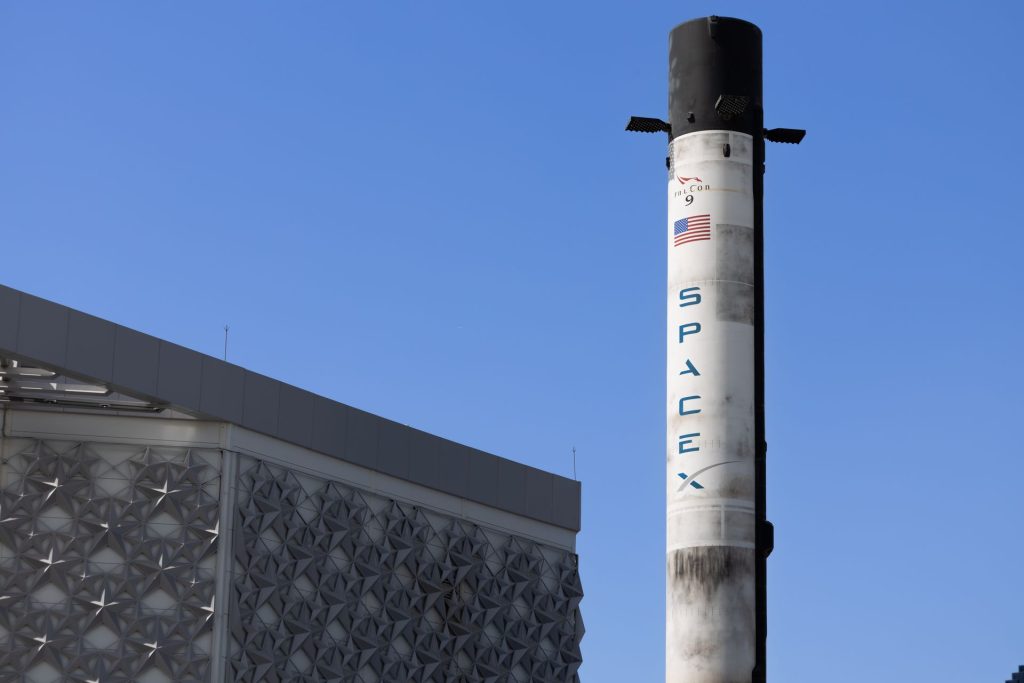
Elon Musk’s rocket company is moving to buy Cursor, an AI startup that automates code writing, signaling a faster push to build software for missions where reliability is everything.
The deal points to a clear goal: to speed up development of flight systems, factory tools, and internal services while reducing routine work for engineers. It also puts another AI asset inside one of the world’s most ambitious space ventures.
“Elon Musk’s rocket company has agreed to buy Cursor, which uses AI to automate the process of writing code.”
Table of Contents
ToggleWhy This Move Matters
Space companies now run on software as much as on steel. From trajectory planning to engine testing, code is central to daily operations. An AI tool that drafts functions, tests, and documentation could shave days or weeks off busy timelines. It could also help teams maintain large codebases with fewer errors.
Cursor sits in a growing class of AI assistants for developers. Products like GitHub Copilot and Amazon CodeWhisperer already suggest code and explain errors. Cursor aims to go further by tying suggestions to a project’s files and context, making the output more useful for complex systems.
For a company that ships frequent software updates, any edge in speed and quality is hard to ignore. The proposed purchase hints at a plan to bring that edge in-house.
The Bigger Industry Trend
Across tech, AI coding tools are moving from nice-to-have to normal. Developers use them to write boilerplate, generate tests, and catch mistakes earlier. Companies adopt them to shorten release cycles and reduce costs tied to maintenance and security fixes.
In aerospace, the stakes are higher. Software touches guidance, navigation, and communications. Even small bugs can cause big problems. That unique risk has kept many firms cautious about automated code tools. Bringing a tool like Cursor inside could allow stricter controls, custom training, and deeper security reviews.
Opportunities And Risks
Supporters will argue this acquisition can make engineers more productive while improving code consistency. AI can document legacy systems, suggest fixes, and surface edge cases humans miss when pressed for time.
Critics will focus on safety. AI sometimes produces code that looks right but fails in rare conditions. In safety-critical work, every change demands tracing, testing, and verification. That means any AI-written code must pass the same gates as human-written code.
- Opportunity: Faster development of internal tools, testing frameworks, and non-flight systems.
- Challenge: Verifying AI-generated code for flight or ground control where failure is costly.
- Security: Keeping sensitive code and proprietary methods away from outside model training.
How It Could Be Used
The likely first targets are low-risk areas: documentation, data pipelines, dashboard tools, and test harnesses. These tasks consume time but do not control vehicles. Success there could expand AI’s role into simulation scripts and analysis tools that help engineers prove designs before they fly.
Some teams may pair Cursor with strict review rules: require tests with every AI suggestion, run static analysis by default, and block merges without human sign-off. That approach maintains speed while adding guardrails.
What To Watch Next
The key questions are simple and sharp. Will AI reduce development time without adding safety debt? Can the company keep sensitive code private while still improving the assistant? And will engineers accept AI help on critical projects, or use it only at the edges?
If the buyer integrates Cursor into its secure developer stack, expect pilots to begin with internal apps. Measurable gains—fewer bugs, faster releases—would justify wider rollout. If results lag, the tool may stay confined to non-critical work.
This deal also pressures rivals in space and defense to refine their own AI coding strategies. Some will license third-party tools. Others may follow this path and bring AI development assistants under their roof for tighter control.
The move signals a familiar playbook: build more in-house, move faster, and use AI where it adds leverage. The test is whether speed can meet the high bar that rockets demand. Watch for early wins in tooling, stricter verification standards for AI-assisted code, and clearer policies on where AI writes—and where it does not.
For now, the message is plain: AI is coming to the code that powers space. The companies that balance speed with safety will set the pace.
Image Credit: iCliff Agendia; Pexels