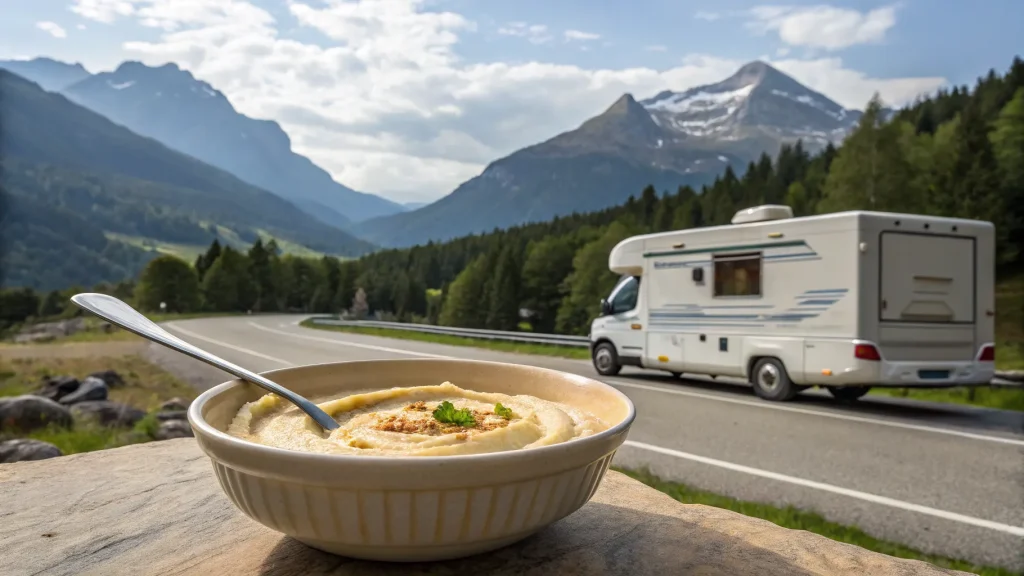
Hummus and motorhomes have been added to the official basket that tracks the rising cost of living, a move that signals changing tastes at the table and on the road. Whether you spell it Hummus, Hommus, or Houmous, the update, announced this week, reflects what households are actually buying, and it arrives as prices remain a dominant concern for families and policymakers.
The basket is used to calculate inflation and is reviewed regularly to match spending habits. Adding new items and removing outdated ones helps keep the measure accurate and relevant. This year’s additions point to shifts in food culture and leisure choices that took root over recent years.
Table of Contents
ToggleWhy the Basket Changes
Statisticians update the shopping basket to mirror consumer behavior. If a product becomes common, it may be added to the list. If it falls out of favor, it can be cut. The goal is a living snapshot of everyday spending.
The practice has a long history. As technology, diets, and lifestyles evolve, the basket evolves as well. Streaming services replaced DVDs. Plant-based options gained ground. Travel patterns also shifted, especially after lockdowns and changes in work routines.
Officials framed the latest change in plain terms:
“Hummus and motorhomes are also added to the basket of goods and services used to chart the rising cost of living.”
What New Entries Signal
Humm reflects the steady mainstreaming of Mediterranean and plant-forward foods. Supermarket shelves now carry more dips, pulses, and ready-to-eat options. Adding it suggests these items are no longer niche buys.
Motorhomes hint at a shift in how people spend on travel and leisure. Interest in domestic trips has grown in recent years, with more families seeking flexible, self-contained holidays. Recreational vehicles can be big-ticket purchases, so their inclusion helps capture spending on leisure and transport in one item.
- Food choices: wider range of everyday plant-forward products.
- Leisure habits: greater focus on flexible, road-based travel.
- Retail trends: supermarkets and dealers responding to shifts in demand.
How It Affects the Inflation Measure
Adding items does not automatically lift or lower the headline rate. What matters is the weight each category carries and how prices change over time. If hummus prices rise faster than the broader food category, the food index could edge up. If motorhome prices soften, they could pull in the other direction in their slice of the basket.
Economists note that basket updates improve relevance. They capture where the pounds are actually going. That makes the inflation figure more useful for interest-rate decisions, wage talks, and benefits uprating.
For households, the change may feel symbolic but matters in practice. A measure that reflects real purchases can guide better planning, from supermarket budgets to vacation choices.
A Wider Pattern of Change
Each annual refresh tends to bring a few food items and a few lifestyle markers. Coffee pods once felt novel; now they are ordinary. Fitness wear, home tech, and fresh convenience foods have followed similar paths. Motorhomes join earlier signals of stay-at-home leisure, such as garden upgrades and hobby gear that surged in popularity.
The food story is similar. Dishes once reserved for restaurants are now fridge staples. Hummus sits alongside wraps, falafel, and grain salads in weekly shops, reflecting both convenience and changing diets.
What to Watch Next
Two threads may shape the next updates. First, shifting diets to include more pulses and meat-free options could bring more pantry items into the basket. Second, flexible leisure spending will continue to evolve in response to fuel costs, insurance prices, and household budgets.
Retailers and manufacturers will track these signals closely. Shelf space follows demand, and demand can respond to inflation itself. If costs bite, shoppers may trade down, pushing private labels up and premium lines down, which can later influence which goods qualify for inclusion.
The latest additions offer a clear snapshot of daily life: a dip on the table and a home on wheels. Together, they show how people eat, travel, and spend in a cost-conscious age. The measure will keep adapting. For now, hummus and motorhomes take their place as markers of how living costs are counted—and how lifestyles keep shifting under the pressure of prices.