Spiking tensions in the Middle East are filtering into wallets worldwide, lifting prices at the pump, pushing up home energy bills, and nudging food costs higher. The squeeze has gathered pace in recent weeks as traders hedge against supply risks and shippers reroute vessels around flashpoints. The result: households are paying more, and policymakers are bracing for a renewed inflation bump.
The conflict in the Middle East has increased pressure on the cost of petrol, household energy bills and even food.
Table of Contents
ToggleWhy Fuel Prices Are Climbing
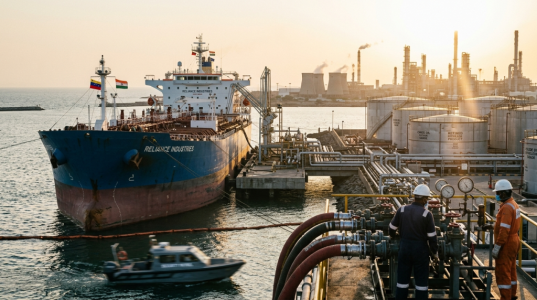
Oil markets are hypersensitive to any supply scare in the Persian Gulf and Red Sea, through which a large share of global crude and refined products travel. Disruptions and detours add days to voyages and raise tanker rates. Even when barrels keep flowing, a “risk premium” builds into crude benchmarks as traders price in what could go wrong.
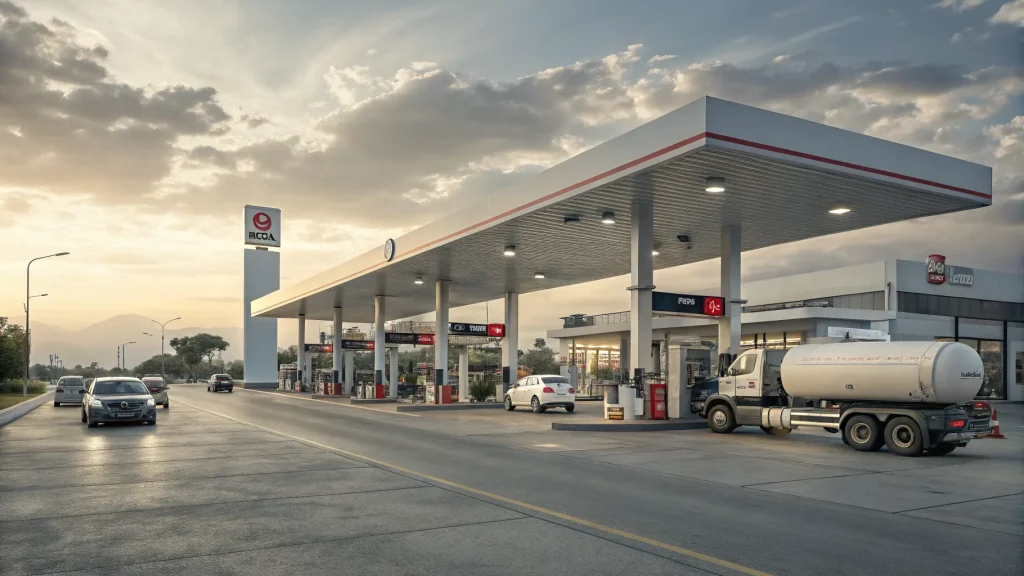
That premium shows up at petrol stations with a lag. Retail fuel prices also reflect refinery margins and taxes, which vary by country. Where currencies have weakened against the U.S. dollar—the currency of oil—drivers feel an extra hit.
Household Energy Bills Under Strain
Natural gas and electricity markets are not immune. Middle East tensions have rattled global LNG trade and lifted forward prices, especially during cold snaps or heatwaves. Power providers facing higher generation costs pass them through to customers as contracts reset.
Europe remains sensitive after the 2022 gas shock. Storage levels started the year healthy, but any fresh risk to LNG flows or a hot summer can move prices fast. In the U.K. and parts of the EU, regulators cap retail tariffs, so the impact lands when caps are reviewed rather than overnight. Still, the direction is clear: pressure is up, not down.
Food Costs Feel the Second-Round Effects
Food inflation often trails energy shocks. Diesel, fertilizer, processing, and shipping all depend on fuel. If tankers avoid the Red Sea and sail around Africa, freight times and insurance jump, lifting costs for imported staples, fruit, and packaged goods.
Some relief has come from better harvests and easing bottlenecks elsewhere, but supermarkets pass through higher logistics and input costs over months. Households may notice it first in products with long supply chains or where refrigeration is heavy.
What the Data and History Suggest
Past Middle East flare-ups have added several dollars per barrel to crude benchmarks within days. The scale depends on whether physical supply is hit or only threatened. Analysts often estimate that a 10% move in oil can add a few tenths of a percentage point to headline inflation over time, though the exact effect varies by country and subsidies.
- Fuel reacts first; food lags.
- Exchange rates can magnify price moves.
- Tariff caps delay, not erase, bill increases.
Central banks watch these shocks closely. They typically look through one-off spikes but worry if higher energy spills into wages and services.
Industry Responses and Consumer Choices
Refiners are tweaking runs to manage margins — and major producers like Exxon are eyeing acquisitions to strengthen their position — shifting between gasoline and diesel output as demand and crack spreads change. Shippers are balancing safety with cost, while insurers raise premiums for high-risk routes. Importers diversify suppliers to spread risk, though that can be more expensive in the short term.
For households, the tools are familiar. Fixed-rate energy plans can reduce volatility if priced fairly. Fuel-saving habits and consolidating trips help at the margins. For food, buying seasonal and local options can blunt freight-driven increases.
What to Watch Next
Markets will track three signals. First, any disruption to major crude or LNG export terminals. Second, shipping conditions in the Red Sea and adjacent waterways. Third, policy moves—whether strategic stock releases, temporary tax adjustments, or changes to retail price caps—that can cushion or amplify price swings.
Retail prices seldom fall as quickly as they rise, so relief may take time even if tensions ease. If risks persist, the inflation cooldown seen in many economies could stall, complicating interest rate plans.
The message for now is simple: energy and food costs are back under pressure, and the source is geopolitical. The path ahead depends on security developments and how swiftly supply chains adapt.