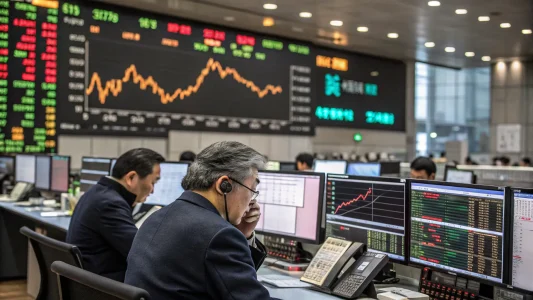
Global markets edged into a wait-and-see posture as the White House’s deadline for Iran approached, with traders scanning for any hint of a last-minute diplomatic fix. The standoff centers on U.S. demands over Tehran’s nuclear and regional activities, a timeline set by President Donald Trump, and the risk of renewed sanctions. With the clock ticking, energy prices and corporate plans hung on a single question: deal or breakdown.
Traders waited to see if a last-minute deal could be reached between the U.S. and Iran on the eve of President Donald Trump’s deadline to Tehran.
Table of Contents
ToggleWhat Is at Stake for Markets
Energy traders focused on the supply picture. Any snapback of U.S. sanctions could curb Iranian oil exports and tighten the market. That could lift prices and ripple into shipping, refining, and consumer fuel costs.
Volatility picked up as funds adjusted positions. Some hedged against a sharp rise in crude. Others bet on a diplomatic pause that could cool prices. Either path promised swift moves once Washington’s decision became clear.
Airlines, chemical firms, and heavy industry watched fuel costs. A price spike can dent margins within weeks. For households, higher pump prices would land fast and test wallets already stretched by inflation in other goods.
The Diplomacy Behind the Deadline
The dispute traces back to the 2015 nuclear accord, known as the Joint Comprehensive Plan of Action. That deal eased sanctions in exchange for limits on Iran’s nuclear work and strict inspections. The Trump administration has argued the pact was too narrow and did not address missiles or Iran’s regional role.
European allies pushed to keep the agreement intact while seeking side deals to answer U.S. concerns. Tehran signaled it would not renegotiate under pressure. This clash of aims set up a familiar cliffhanger: extend waivers and keep talking, or reimpose penalties and risk a wider rift.
Diplomats shuttled between capitals, weighing technical fixes and political red lines. The timing mattered. Oil demand tends to rise in the summer, and a supply hit now could bite harder.
Energy and Business Fallout
Companies with significant exposure to Iran prepared contingency plans. Energy majors reviewed contracts and shipping routes. Insurers assessed coverage limits if sanctions returned.
Banks examined compliance systems. Even firms with no direct ties to Iran faced questions about counterparties and freight. Compliance costs can climb quickly when rules tighten.
U.S. allies faced a tough choice. They could seek waivers, press for a compromise, or risk penalties for doing business with Iran. Trade partners in Asia and Europe weighed energy security against diplomatic friction.
- Higher oil prices can lift producer revenues but squeeze consumers.
- Sanctions risk snarling shipping and insurance for Middle East crude flows.
- Financial firms face rapid changes to screening and disclosure rules.
Signals From Analysts and Officials
Market analysts warned that even the hint of a tighter supply can trigger a feedback loop. Traders buy futures, prices rise, and producers take time to respond. That lag can magnify short-term swings.
Security experts cautioned about spillover. Any misstep in the Gulf could affect key shipping lanes. That would add a premium to prices regardless of actual export volumes.
Officials in Europe urged restraint and more time for talks. Their pitch was simple: keep nuclear limits in place while addressing missiles and regional issues in parallel.
What Comes Next
Three paths stood out.
First, an extension of waivers could calm markets. Prices might ease as barrels keep flowing, even if talks stay tense.
Second, full sanctions would likely jolt crude higher and test diplomatic ties. Companies would rush to unwind deals, and insurers would reprice risk.
Third, a narrow deal could trade limited relief for added inspections or missile talks. That would give traders clarity and buy time for deeper bargaining.
For now, the world waits on Washington’s call. The decision will shape energy costs, set the tone for U.S.-Europe relations, and challenge corporate risk teams. If talks continue, watch for signs of enforcement and how quickly firms adjust. If sanctions snap back, expect swift moves in crude and a new round of diplomatic shuttle runs. Either way, the next 48 hours could redraw market expectations for months.