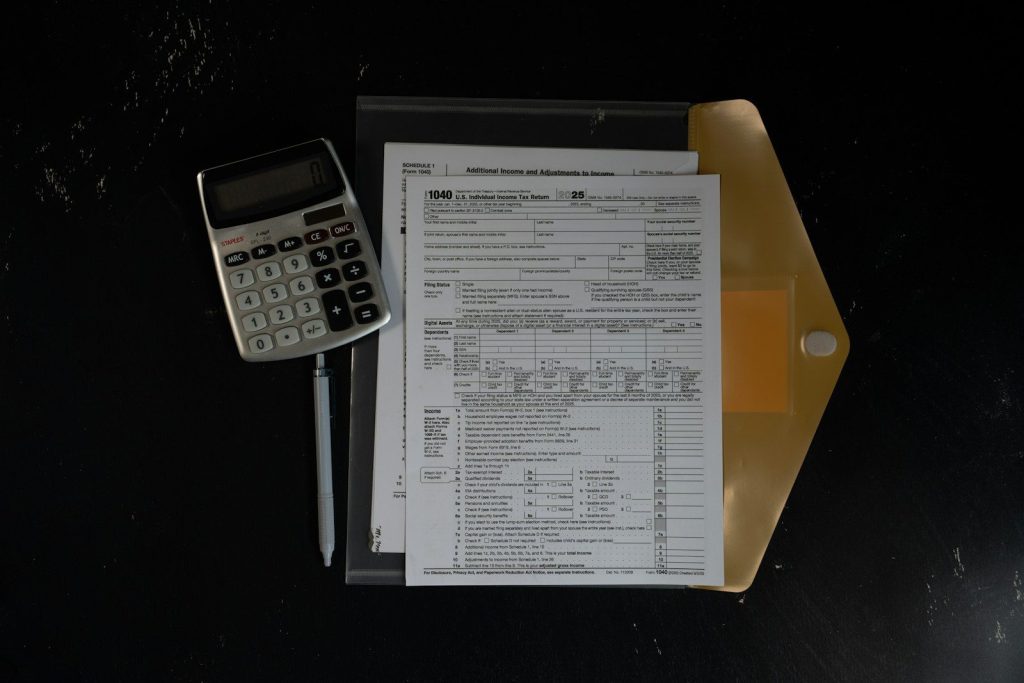
There’s a tax planning opportunity hiding in plain sight right now, and most Americans are going to miss it. Not because it’s complicated — but because nobody is talking about it loudly enough.
The Tax Cuts and Jobs Act of 2017 temporarily lowered federal income tax brackets. Those lower rates were extended, but they are still on borrowed time. When they eventually sunset, tax brackets will revert to higher pre-TCJA levels. And that means the window for converting traditional retirement accounts to Roth IRAs at today’s lower rates is not permanent.
I’ve been beating this drum for months, and I’ll keep beating it because the math is too compelling to ignore.
Table of Contents
ToggleWhat a Roth Conversion Actually Does
Let me simplify this for anyone who hasn’t explored it before. A Roth conversion takes money from a traditional IRA or 401(k) — where you got a tax deduction when you contributed — and moves it into a Roth IRA, where future growth and withdrawals are completely tax-free.
The catch: you pay income taxes on the converted amount in the year you convert. That’s the trade-off. You’re paying taxes now to avoid paying them later.
The strategic question is simple: will your tax rate be higher now or later? If you believe tax rates will be higher in the future — and there are strong reasons to believe they will — converting now at lower rates is like buying future tax-free income at a discount.
Why 2026 Is the Year to Act
Several factors make this year uniquely favorable for Roth conversions.
Current tax brackets are historically low. The TCJA reduced rates across the board. The 22% bracket, for example, covers income up to about $95,000 for single filers. Before the TCJA, that same income would have been taxed at 25% or even 28%. Every dollar you convert in the 22% bracket that would otherwise be taxed at 25-28% later is a permanent tax savings.
The national debt virtually guarantees higher future rates. The U.S. national debt has surpassed $36 trillion. Tariff revenue helps at the margins, but the structural deficit means higher taxes are a mathematical certainty at some point. Whether it happens in 2028 or 2035, the direction is clear.
Required Minimum Distributions (RMDs) create a tax time bomb. If you have a large traditional IRA or 401(k), you’ll be forced to take taxable withdrawals starting at age 73. These RMDs could push you into higher brackets in retirement — exactly the opposite of what most people planned. Converting now reduces your future RMD obligation.
The Numbers That Make the Case
Let me show you a real example. Consider someone who is 55 years old with $500,000 in a traditional IRA. They plan to retire at 65 and live to 90.
Scenario A — No conversion: At age 73, they begin RMDs. Assuming 6% growth, their account has grown to approximately $950,000. RMDs start at roughly $36,000 per year and increase annually. Over their lifetime, they pay an estimated $280,000 in taxes on withdrawals, assuming rates revert to pre-TCJA levels.
Scenario B — Convert $100,000 per year for 5 years: They pay roughly $22,000-$24,000 in taxes per year on each conversion (at the current 22-24% bracket). Total conversion tax: approximately $115,000. But the converted $500,000 grows tax-free to approximately $950,000 by age 90, with zero taxes on withdrawals and zero RMDs.
Net tax savings over their lifetime: approximately $165,000. That’s $165,000 more for their family, their retirement lifestyle, or their legacy.
The Strategy Matters as Much as the Decision
Converting isn’t an all-or-nothing move. The most effective approach is a phased conversion over multiple years, carefully calibrated to fill up lower tax brackets without pushing yourself into higher ones.
Here’s how to think about it:
Fill the bracket, don’t overflow it. If you’re in the 22% bracket with $20,000 of room before hitting 24%, convert exactly $20,000. Repeat annually, adjusting for changes in income.
Convert more in low-income years. Had a year with lower-than-usual income? That’s your conversion accelerator. A sabbatical, a career transition, or a year of reduced business income creates a larger “runway” in lower brackets.
Pay conversion taxes from non-retirement funds. If you pay the conversion tax from the IRA itself, you lose the benefit of tax-free growth on that money. Use taxable savings or other accounts to cover the tax bill, keeping the full converted amount working inside the Roth.
Consider state taxes. If you live in a high-income-tax state now but plan to retire in a no-income-tax state (like Florida, Texas, or Nevada), delaying conversion might make sense. But if you’re staying put, the federal rate advantage alone usually justifies converting now.
Who Should Think Twice
Roth conversions aren’t right for everyone. If you’re currently in a high tax bracket and expect to be in a lower one in retirement, traditional withdrawals might cost less. If you need the money within five years (Roth conversions have a five-year holding requirement for tax-free withdrawal of earnings), the timing doesn’t work. And if paying conversion taxes would require you to take on debt or deplete your emergency fund, wait until you can afford the tax bill comfortably.
The Clock Is Ticking
I want to be clear: nobody knows exactly when TCJA rates will sunset or what will replace them. Congress could extend them, modify them, or let them expire entirely. But the political trend is toward higher taxes, not lower, and the structural budget math supports that trend.
What I do know is this: every year you wait to convert is a year of potential tax-free growth you’ve lost. And if rates do increase, the conversion cost goes up permanently.
The smartest financial move many Americans can make in 2026 isn’t a hot stock pick or a clever side hustle. It’s the boring, strategic decision to convert retirement savings into a Roth while the tax rates are still in your favor.
Talk to your tax advisor. Run the numbers for your specific situation. But don’t let this window close without at least evaluating whether it’s right for you.