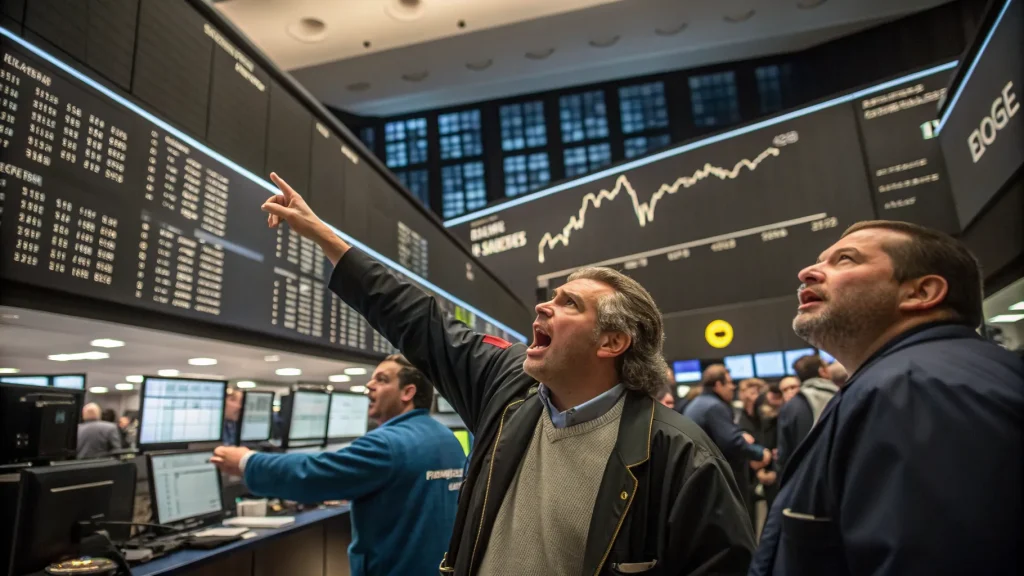
Before Wall Street’s opening bell, sharp swings in select stocks are setting the tone for the day. Traders are reacting to fresh headlines, earnings updates, and overnight news that could sway the session ahead. The early action hints at a busy open as investors weigh risk, hunt bargains, and brace for surprises.
Premarket trading allows investors to place bets when most people are still making coffee. It often exaggerates moves because fewer shares change hands. That can magnify good news and bad news alike. When stocks jump or sink early, it can hint at how the broader market might open and where attention will focus.
“These are the stocks posting the largest moves in premarket trading.”
Table of Contents
ToggleWhy Early Moves Matter
Premarket swings offer a first read on investor mood. Moves often follow company earnings, guidance changes, deal news, or analyst calls. They can also reflect new policy headlines, global events, or commodity price shocks from overnight trading.
Because liquidity is thin, prices can gap. That creates opportunities but also adds risk. A headline that looks huge at 7 a.m. can fade by noon—or get even sharper as volume arrives.
Common Catalysts Behind Big Swings
- Earnings and guidance: Surprises in revenue, margins, or outlooks trigger quick re-pricing.
- M&A and strategic moves: Takeover premiums lift targets, while acquirers can slip on deal costs.
- Regulatory updates: Approvals, fines, or rulings hit sectors all at once.
- Analyst actions: Upgrades, downgrades, and price target shifts sway sentiment.
- Macro news: Jobs data, inflation readings, and central bank signals steer futures and sectors.
- Geopolitics and commodities: Energy prices and global flashpoints can reshape risk quickly.
Earnings Season’s Extra Punch
During earnings season, early moves can be dramatic. A company beating sales but trimming its outlook may still fall. Conversely, a firm missing estimates yet lifting guidance can rise. The mix of results and forward commentary often matters more than a single number.
Options markets also play a role. Implied volatility sets the “expected move.” When results land outside that band, premarket gaps can be wide as dealers hedge and investors reposition.
Reading the Tape Without Getting Whipsawed
Big premarket changes do not always last. As volume builds after the open, prices can snap back if the early reaction overshot. Seasoned traders watch order flow and headlines side by side, looking for signs the move has support.
Sector sympathy is another tell. If one chip stock jumps on strong demand comments and peers follow, the theme may carry. If peers sit still, the story might be stock-specific.
What This Means for Different Investors
Day traders may ride the momentum, but they face wider spreads and fast turns. Long-term investors often wait for the dust to settle, then check if the news changes the story. For index watchers, heavy premarket action in mega-cap names can sway futures, setting the stage for a higher or lower open.
Signals To Watch As The Bell Nears
- Volume: Heavier early trading can confirm the move.
- News quality: Hard numbers beat vague buzz. Company filings carry more weight than rumors.
- Sector breadth: More names moving in the same direction signal a stronger trend.
- Futures alignment: Index futures in sync with big movers point to follow-through.
Context From Recent Market Patterns
In the past year, many of the largest premarket gaps have been driven by guidance shifts and rate expectations. When central bank language hinted at higher-for-longer rates, rate‑sensitive stocks often stumbled before the open. When inflation data cooled, growth names saw early bids.
Supply chain updates and AI spending plans have also driven early reactions. Companies tying revenue to clear demand trends tended to hold gains at the open. Those leaning on hazy promises often gave back pops by midday.
Early movers tell the market where to look, but not always where to land. Sharp gaps can fade or widen as fresh orders arrive and more facts come in. Today’s premarket board is a starting signal, not the finish line. Watch for steady volume, clean news, and sector confirmation to separate durable shifts from morning noise.
For now, the message is simple: the opening bell will answer whether the early action is a head fake or a real change in tone. Keep an eye on earnings calls, updated guidance, and any surprise filings. That is where the day’s winners and losers will be decided.