I am Taylor Sohns, CEO of LifeGoal Wealth Advisors and a CIMA and CFP professional. My aim here is simple. I want to connect the dots between conflict, oil, and your wallet. The war involving Iran is not a distant headline. It has real effects on energy prices, borrowing costs, and financial markets. It tilts the balance of power among major powers. It also reaches into your mortgage, your grocery bill, and your retirement account.
Higher debt plus higher inflation equals higher mortgage rates.
- China relied on sanctioned, discounted oil from Iran and Venezuela. That cheap supply is at risk.
- Russia is positioned to capture more of the oil market, solidifying its main revenue stream.
- War spending lifts government debt. Oil shocks lift inflation. Together, they push rates higher.
- Mortgage rates rise when inflation sticks, and deficits grow. Homebuyers feel the pinch first.
- Shipping, insurance, and refining bottlenecks can lift fuel prices, even if crude stays available.
- Central banks must choose between fighting inflation and supporting weak growth.
- Energy exporters gain, and energy importers strain. Currency moves can amplify the pain.
Table of Contents
ToggleThe Energy Shock China Did Not Need
China leaned heavily on cheap, sanctioned oil. It bought most of Iran’s barrels. It also took a large share from Venezuela. These flows came at a discount because of sanctions risk. That discount helped China lower its input costs and keep factories humming.
Now that supply is fragile. Enforcement tightens in conflict. Insurance gets pulled. Ships avoid risky routes. Even if barrels are still in the system, the discount narrows. China faces higher input costs and weaker growth at the same time. Margins shrink. Export prices climb. Domestic fuel costs rise. That hurts manufacturers and consumers together.
China will look for other discounted barrels. The most likely source is Russia. That shift has two effects. It steadies China’s supply, but it enriches Moscow. It also ties Beijing’s energy security more closely to a single, sanctioned supplier. That concentration raises long-term risk.
View this post on Instagram
Russia’s Leverage Grows With Every Higher Barrel
Russia’s number one industry is oil. Higher prices and fresh buyers strengthen its budget and its war chest. That money supports military spending and domestic subsidies. It also funds discounts to friendly partners that keep trade flowing.
On the shipping side, a “shadow fleet” of older tankers moves sanctioned oil. More route risk means higher freight costs and bigger discounts to compensate buyers. But the net effect still feeds Russia’s cash flow when prices are firm. The cut-rate deal that once helped China now tilts toward Russia’s advantage.
Homebuyers Face a Painful Chain Reaction
Energy shocks rarely stop at the pump. They become sticky inflation in many places. Transportation costs touch every aisle in the store. Diesel lifts trucking prices. Jet fuel raises airfare. Refiners can get squeezed, which further tightens gasoline and diesel supplies.
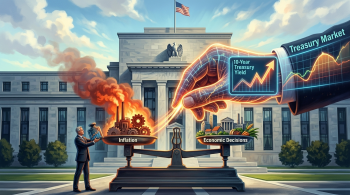
At the same time, wars are expensive. Governments spend on aid, defense, and security. That requires more borrowing. More borrowing means more Treasury supply. Investors demand higher yields to absorb it. When inflation is hot, they demand even more.
Wars are expensive. More spending means more debt. Higher oil prices means higher inflation.
Mortgage rates track long-term Treasury yields and mortgage-bond spreads. When investors see higher inflation and bigger deficits, they charge more to lend. Rates rise. Buyers qualify for smaller loans. Sellers drop prices, or homes sit on the market longer. Builders delay projects as financing costs jump. Renters feel the squeeze as construction slows and supply stays tight.
How This Ripples Through Inflation and Policy
Central banks watch inflation expectations. An oil shock can reset those expectations higher. If inflation stays sticky, the Federal Reserve keeps policy tighter for longer. Even if growth slows, rate cuts come slower than markets hope. That keeps financing costs elevated across the board.
There is also a chance of stagflation. Growth can slow while prices stay high. That is a hard backdrop for policy and for earnings. Valuations compress when rates exceed growth. The result is choppy markets and higher volatility.
- Sticky inflation pressures the Fed to hold rates high.
- Deficits push Treasury yields up through extra supply.
- Mortgage-backed securities can widen in spread, lifting mortgage rates further.
- Corporate borrowing costs rise as credit spreads widen in risk-off periods.
Shipping Lanes, Insurance, and the Strait Problem
The Strait of Hormuz is one of the most important oil routes on earth. Even small disruptions can push prices up. War risk insurance spikes for ships. Some tankers reroute, which adds days and cost. Refiners face irregular deliveries. Inventories draw down faster as buyers wait. These frictions lift prices even without a single well shutting down.
Energy markets are global. A supply scare in one region lifts prices everywhere. The United States produces a lot of oil, but Brent tightness still filters into domestic gasoline and diesel. That is why even a local shale boom does not fully shield drivers from surges.
Knock-On Effects Many Miss
I see several underappreciated effects that deserve attention right now.
- Food inflation: Fertilizers and farm fuel track energy. Higher diesel lifts increase harvest and transport costs.
- Airlines and logistics: Jet fuel and diesel squeeze margins. Ticket and freight prices tend to rise.
- Refining bottlenecks: Refinery outages or seasonal shifts can widen fuel-price spikes.
- Insurance and shipping: War risk premiums can add dollars per barrel to the delivered cost.
- Currencies: Energy importers’ currencies weaken as trade balances worsen. That adds inflation through pricier imports.
- Emerging markets: Countries that import oil face fiscal stress and potential subsidy hikes or cuts.
- Metals and defense: Military demand can support prices for copper, aluminum, and specialty materials.
- Natural gas: LNG cargoes get repriced if oil benchmarks surge, lifting power costs in Europe and Asia.
Winners and Losers Across Markets
Energy exporters benefit first. Gulf producers with spare capacity gain price power. Russia gains market share with opportunistic buyers. US shale firms benefit from higher prices, though they now favor capital discipline over rapid growth. That can limit how fast new supply hits the market.
Energy importers struggle. Europe and parts of Asia see higher trade deficits and weaker currencies. Their central banks face the same hard choice as the Fed. They can cut rates to support growth, or hold high to tame inflation. Either way, pain shows up somewhere.
Sector effects split fast. Energy, defense, and select commodities do well when risks rise. Consumer discretionary weakens as fuel and financing eat into budgets. Homebuilding cools as mortgage rates lift. Financials face margin pressure if funding costs rise faster than loan yields. Utilities can wobble as fuel inputs and bond yields increase. Gold often acts as a hedge when real yields flatten or fall after high inflation scares. Crypto may catch flows when traditional hedges feel crowded, though volatility stays high.
What Could Change the Path
Several triggers could soften or worsen the hit.
- De-escalation that cuts war risk premiums and keeps Strait traffic normal.
- Strategic reserve releases that bridge supply gaps for a time.
- OPEC+ decisions to add or withhold barrels as prices move.
- US shale growth if price signals flip discipline into measured expansion.
- Fiscal restraint that slows the rise in Treasury supply.
- Clear inflation progress that allows central banks to ease without reigniting inflation.
Practical Steps for Households and Investors
I think about this in two tracks: cash flow and portfolios. On cash flow, pad the budget for higher fuel and utility bills. If you plan to buy a home, recheck affordability at a mortgage rate one percentage point higher than today. That stress test can prevent a tough surprise.
On portfolios, avoid one-way bets. Consider a mix that can handle energy and rate shocks. Quality companies with strong balance sheets handle higher financing costs better. Energy exposure can hedge fuel inflation, but position size matters. Shorter-duration bonds lower interest rate risk. TIPS may help if inflation keeps grinding higher. Keep an emergency fund ready, because market pullbacks arrive with little warning.
Risk management beats prediction. You do not need to guess the exact path of oil or rates. You need a plan that can withstand a wide range of outcomes.
The Bottom Line
This conflict is reshaping energy flows. China loses its cheapest barrels and will lean more on Russia. That move strengthens Moscow’s finances. The United States faces higher and stickier inflation in fuel and freight. Government deficits climb with war-linked spending. Put it together and mortgage rates stay higher for longer. That is already showing up for homebuyers and builders.
Plan for elevated volatility. Expect the unexpected in shipping, insurance, and refining. Keep budgets flexible and portfolios balanced. Protect your downside first. Then let time and discipline do the rest.
Frequently Asked Questions
Q: How does an oil shock raise my mortgage rate?
Oil-driven inflation feeds into long-term interest rates. Investors demand higher yields to compensate for price risk and larger government borrowing. Mortgage rates, which track these yields and mortgage bond spreads, move higher as a result.
Q: If the U.S. produces a lot of oil, why do gas prices still jump?
Oil is priced in global markets. Disruptions or risk premiums in major routes lift benchmark prices. Those increases pass through to U.S. gasoline and diesel, even with strong domestic output.
Q: What can homebuyers do if rates keep rising?
Run a fresh affordability check at a higher assumed rate, consider buydowns or adjustable loans with clear caps, expand your search radius, and boost savings to strengthen your offer and options.