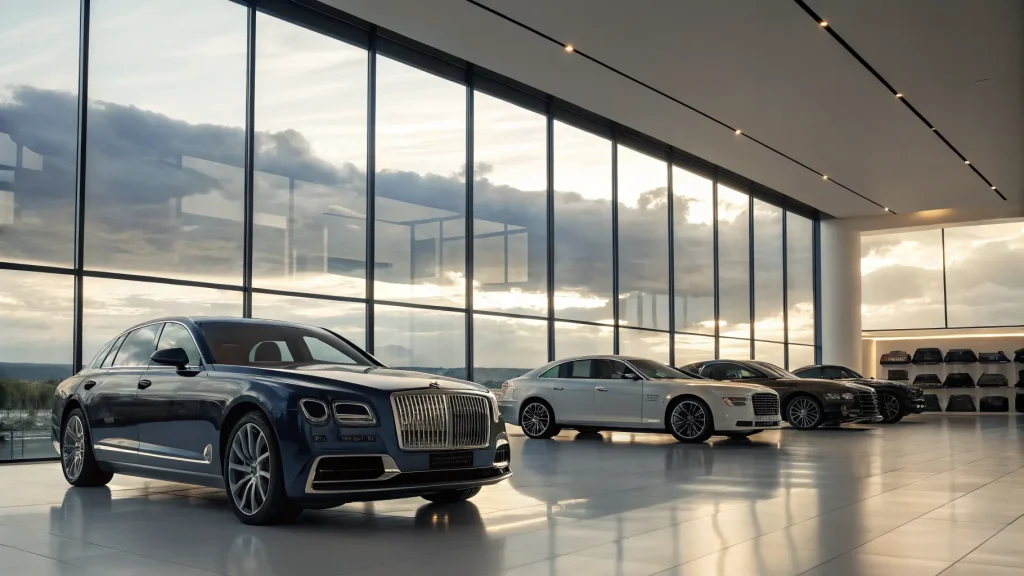
New vehicles averaged $48,422 in April 2025, a level that is pushing many shoppers out of the showroom and into the used market, according to an industry expert. At the same time, luxury buyers accounted for 19.2% of new-car purchases, signaling a market split between high-end demand and everyday affordability challenges.
The figures point to a market where price pressure is shaping decisions on both sides of the lot. Shoppers with tighter budgets are waiting or buying used, while wealthier buyers keep ordering premium trims. Dealers and automakers are adjusting to that split in real time.
Table of Contents
ToggleSticker Shock Reshapes Buying Plans
Nearly $50,000 for the average new vehicle sets a high bar for many households. Monthly payments rise as prices climb, stretching budgets and delaying purchases. Shoppers who might have considered compact SUVs or mid-tier sedans are instead hunting for late-model used cars.
That movement affects trade-ins, too. Owners hang onto cars longer to avoid higher payments, reducing the flow of affordable used inventory. The result is a tighter market from new models down to five-year-old vehicles.
“New car prices averaged $48,422 in April 2025, as luxury buyers made up 19.2% of purchases,” an industry expert said.
Luxury Share Climbs While Mainstream Buyers Wait
With luxury buyers accounting for 19.2% of new sales, higher-end trims and brands are capturing a larger share of the market. That can happen when supply is tight or when automakers prioritize pricier models that deliver stronger margins.
For many shoppers, the gap between base and premium trims has grown. Features once viewed as extras—advanced safety tech, larger screens, premium audio—often come bundled in higher packages. That can pull a vehicle’s price well past a family budget.
Used Market Absorbs Demand
As new-car prices rise, used vehicles absorb displaced demand. That can keep prices firm for two- to four-year-old cars, even as mileage climbs and selection thins. Certified pre-owned programs gain attention as shoppers weigh warranty coverage against higher monthly payments on new models.
Dealers benefit from strong used demand but face sourcing challenges. Fewer lease returns and delayed trade-ins mean more competition at auctions and higher acquisition costs. Those costs can limit discounts on the retail side.
Implications For Automakers And Dealers
Automakers walk a narrow path. High average prices support profits, yet long-term growth relies on keeping entry points open. If mainstream buyers stay on the sidelines, unit sales can soften even as revenue per vehicle holds.
Dealers adjust by focusing on financing options, extended terms, and value packages. They lean on used inventory and service departments to offset slower new-car traffic. Some shift marketing to feature the total cost of ownership, not just the sticker price.
- Average new price: $48,422 in April 2025.
- Luxury share: 19.2% of new-car purchases.
- Consumer trend: More shoppers pivot to used vehicles.
What To Watch Next
Affordability will stay in focus. If prices hold near current levels, buyers may delay purchases or downsize plans. That could keep used prices firm and extend ownership cycles.
Luxury strength bears watching as well. A rising premium mix can support earnings in the short run, but it risks leaving a large segment of buyers underserved. Automakers may respond with pared-down trim levels, targeted incentives, or smaller models to bring starting prices down.
Policy and credit conditions also matter. Any change that affects financing costs or incentives can quickly shift demand between new and used. Even small moves can open or close the door for first-time buyers.
The latest data shows a market at a crossroads: high prices and strong luxury demand on one side, and a used-car safety valve on the other. For shoppers, the message is clear—be flexible, compare across model years, and watch incentives closely. For the industry, the path forward hinges on restoring affordability without giving up the features drivers expect.