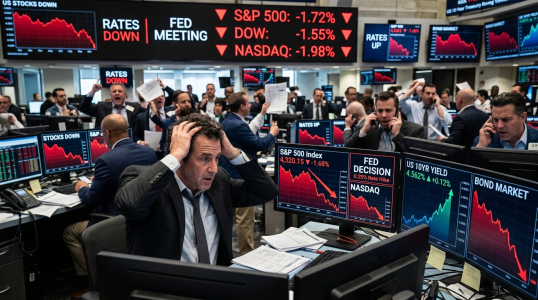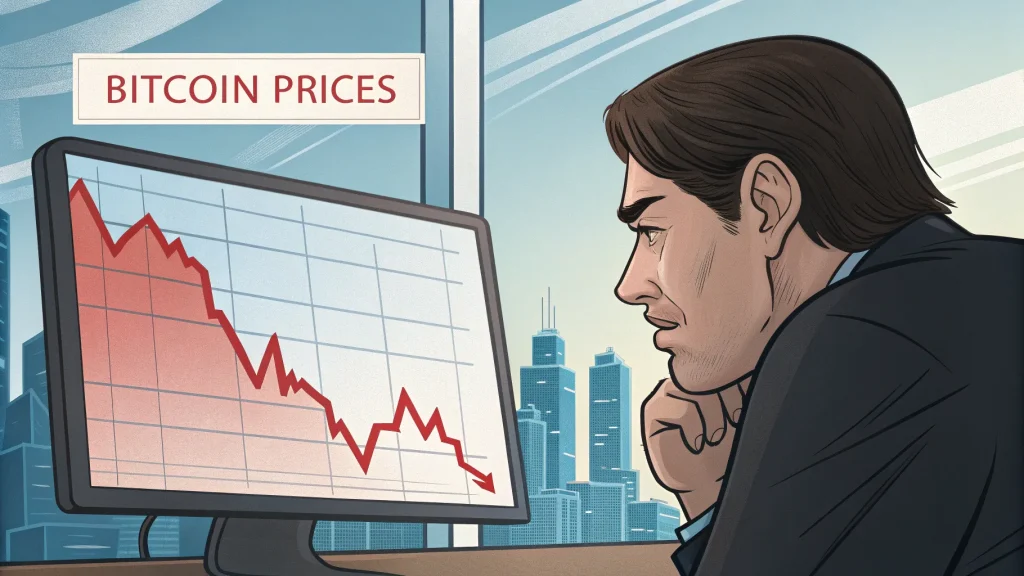
Bitcoin is having a rough stretch. Like the double-digit slide in a single day. A near 50% drop in a few months. The question on my mind is simple: what turns it around from here?
As the CEO of LifeGoal Wealth Advisors and a CFP and CIMA, I examine narratives, data, and incentives. I have owned Bitcoin before. I am not rooting against it. I am looking for the real driver that could change the current trend. If the bull case is going to reignite, what will actually do the heavy lifting?
“Bitcoin is coming absolutely unglued… It’s down damn near 50% in the past three months. What’s the catalyst for turnaround?”
Table of Contents
ToggleThe Narratives That Hit a Wall
Bitcoin built a reputation on several ideas. Some of those ideas are under strain. The price action tells us the market is not rewarding these narratives today.
First, the inflation hedge story stalled. Amid the 2022 surge in prices for everyday goods and services, Bitcoin fell hard. That does not mean it will never hedge inflation. It does mean the timing and conditions matter more than the slogan.
Second, the anti-fiat claim is also challenged. During recent market stress, the U.S. dollar softened while Bitcoin also sank. The two can move independently. That breaks the neat “dollar down, Bitcoin up” idea that some expected.
Third, the safe-haven label looks shaky during sharp drawdowns. A 50% slide in a few months is not how a classic safe haven behaves. Gold and cash-like assets tend to protect capital in panics. Bitcoin, at least this cycle, has traded more like a high-beta risk asset.
“An inflation hedge got obliterated during peak inflation of 2022… A safe haven… It’s down 50%.”
View this post on Instagram
The Halving and the “Cycle” Belief
Many investors point to the halving, the programmed cut in new Bitcoin supply, as the spark. History shows strong periods in the 12 to 18 months following a halving. But history is a guide, not a guarantee. Each cycle has new variables.
Supply is not the only force. Demand matters more. If new buyers do not show up, a smaller flow of new coins will not lift price on its own. Miners may sell fewer coins, but that can be overwhelmed by broader risk-off pressure and liquidity trends.
“Don’t give me the… halving cycle. We’re in year two post halving. That’s a pump year, not a dump year.”
So far, the “cycle” has not saved the tape. That tells me we need a fresh driver to pull in real, sticky demand.
The ETF and Policy Tailwinds Are Spent—For Now
The U.S. spot Bitcoin ETF approval was a clear milestone. It led to strong inflows and a swift rally. That door is now open. The first-time buyer boost may be behind us for the moment. Flows can return, but the novelty shock is gone.
Political winds shift as well. A friendlier tone from Washington can help sentiment. That, too, may be priced in. Markets respond to change at the margin. If favorable headlines are old news, the price needs fresh fuel.
“You’ve already got the Bitcoin ETF bump. You already got your pro-crypto Trump administration bump.”
What Usually Moves Bitcoin
When I look for a catalyst, I start with liquidity, rates, and risk appetite. Bitcoin tends to rise when financial conditions ease, and investors reach for growth.
- Falling interest rates and looser credit often push investors into risk assets, including Bitcoin.
- A weak growth scare or funding stress can drain liquidity and hurt the price.
- Dollar swings matter. A strong dollar can be a headwind for global risk assets.
Beyond macro, market plumbing plays a role. Heavy leverage can snap when prices break key levels. Forced selling by traders and miners can deepen drawdowns. On the flip side, cleaner positioning can set the stage for a sharp bounce.
Potential Catalysts That Could Matter
This is what I would watch to judge whether a rebound has legs. None of these requires belief. They are observable. They either show up or they do not.
1) A Real Shift in Liquidity and Rates
If central banks pivot to clear rate cuts, risk appetite can improve. Lower real yields make scarce assets more appealing. That can push demand for Bitcoin. Watch the path of inflation, jobs, and policy guidance. If investors see a clean path to easing, that can be a spark.
2) Sustained ETF Inflows After the Hype
First waves of ETF buying can fade. The more important sign is steady, diversified inflows from advisors, model portfolios, and pensions. If financial advisors begin to add small allocations across client books, that is new, durable demand. Track net creations, not just one-off spikes.
3) Corporate Treasury Adoption With Policy Backing
A handful of companies hold Bitcoin on their balance sheets. The needle moves if large, mainstream firms set policies for a small strategic allocation. That would signal trust in custody, accounting, and risk controls. Clear guidance from regulators and auditors would support this step.
4) Payment and Settlement Use That Scales
Volatility limits day-to-day spending. But faster, cheaper Bitcoin rails can still add value. If networks that sit on top of Bitcoin make it easy for merchants and payment apps to route transfers, usage can grow. Strong, transparent data on transaction volumes would signal progress.
5) Miner Behavior and Supply Dynamics
After a halving, miners earn fewer coins. If the miner selling drops because they are more efficient or better financed, net supply pressure eases. Look for signs of reduced miner outflows to exchanges. That would remove a steady seller from the market.
6) Clear, Consistent Regulation
Stable, clear rules reduce the legal risk premium. Defined categories for tokens, custody standards, and disclosure rules help large institutions step in. The key is consistency. A patchwork of guidance keeps big pools of capital on the sidelines.
7) A Reset in Positioning and Sentiment
Washed-out sentiment can precede strong rallies. If leverage is flushed and funding costs normalize, price can stabilize. Signs include lower liquidations, a drop in perpetual swap premiums, and ETF outflow pressure turning into inflows.
Why the Old Stories Fell Short
Some investors assumed Bitcoin would move opposite to inflation or the dollar in real time. Markets are messier. In practice, Bitcoin has often tracked growth-sensitive assets. That means it can run during periods of optimism and cheap money and struggle during tightening cycles.
Safe-haven status needs time and trust. Gold earned it over centuries. Bitcoin is young. Its supply is fixed by a unique code. But until volatility softens and ownership is broader and steadier, it will trade like a risk asset during panics.
What Would Change My Mind Quickly
I look for hard signals. Not slogans. Not memes. Evidence.
- Multiple weeks of net ETF inflows across several issuers, even on down days.
- Rate-cut expectations are firming as inflation cools without a deep recession.
- Public filings from large companies adopting formal BTC allocation policies.
- On-chain data showing stable transaction growth and falling exchange balances.
- Miner outflows are declining while hash rate and profitability stabilize.
If two or three of these show up together, the probability of a durable rebound rises. The story becomes less about hope and more about flows and use.
Risk Management Still Comes First
Bitcoin can move fast. Both ways. That calls for discipline. Position size should fit the risk. Diversification matters. Time horizon matters more than tweets.
For investors who want exposure, dollar-cost averaging can help remove emotion. A small, fixed allocation within a diversified plan can keep a portfolio in balance. Stop treating Bitcoin as a magic hedge. Treat it like a volatile asset with upside and real drawdown risk.
The Honest Question for Bulls
“I’ve owned Bitcoin in the past. I’m not a hater of it. I’m just genuinely curious. What’s the catalyst now for a Bitcoin rebound?”
That is the right question. Not “what should have worked,” but “what will work.” If you are bullish, name your catalyst. Is it a policy change, a liquidity shift, a wave of ETF demand, or a real-world use case hitting scale? Put it on paper. Track it. Hold it to a timeline.
Markets reward clarity. Vague beliefs fade when prices are falling. Clear triggers help investors stay grounded. If your catalyst needs five supportive steps, list them. If none arrive, reassess.
My Base Case Right Now
Bitcoin’s long-term promise rests on scarcity, network effects, and the chance that digital money earns a permanent seat in portfolios. That promise did not vanish. The current drawdown says the market needs a new reason to buy now.
The near-term path depends on liquidity and positioning. The medium-term path depends on building broader, steadier demand. Think retirement platforms, advisor models, corporate treasuries, and consistent rules. If those advances are made, the price will likely follow.
Until then, expect volatility. Respect risk. Focus on the catalysts that can actually change supply and demand in a measurable way.
The bulls may be right again. But it will take more than slogans and cycle charts. It will take evidence.