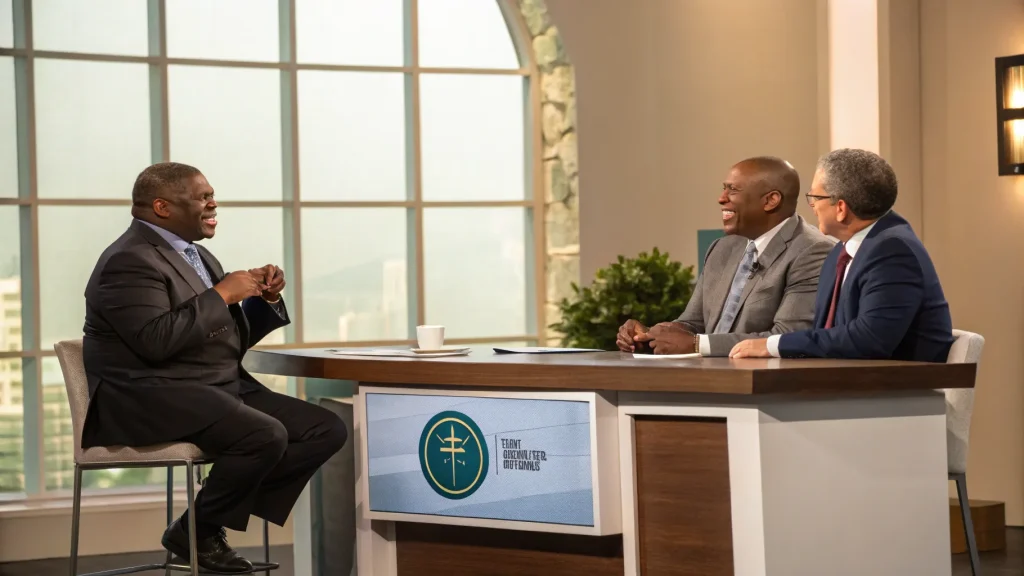
On FOX Business’ Making Money, host Charles Payne and a panel pressed a clear message: learning never stops for retail investors. The conversation centered on practical ways to build skills and stay sharp in choppy markets. Viewers heard how steady study, simple tools, and disciplined habits can help protect portfolios and improve results.
The discussion came as do-it-yourself trading remains popular. Many retail investors now rely on free research, podcasts, and social feeds for market guidance. That abundance can be helpful, but it can also overwhelm. Payne and his guests urged viewers to slow down, check sources, and focus on repeatable methods.
Table of Contents
ToggleWhy Education Still Matters
Volatility has not disappeared even as inflation cools in some sectors. Earnings surprises, rate moves, and geopolitical shocks can spark quick swings. That makes a strong process essential. Education also builds confidence, which can reduce emotional trades and costly mistakes.
Payne framed the conversation with a simple prompt about ongoing learning for individuals trying to grow wealth. He emphasized that investors have more tools than ever, but tools alone are not a plan.
“FOX Business host Charles Payne and panelists share advice on how individual investors can continue to educate themselves on ‘Making Money.’”
Practical Steps For Viewers
The panel’s guidance focused on repeatable routines and basic analysis. The goal is not to predict every move. It is to make fewer unforced errors.
- Set a weekly schedule for reading earnings reports and company filings.
- Track three to five metrics that match each thesis.
- Use watchlists and alerts instead of chasing headlines.
- Journal every trade with the reason, risk, and exit plan.
- Study one sector at a time to build depth.
Panelists also encouraged viewers to compare sources. A bullish post on social media should be balanced with primary documents and independent research. They suggested using paper trading to test ideas before risking capital.
Balancing Risk And Behavior
The conversation highlighted a common trap: confusing luck with skill during hot streaks. Education helps separate noise from signal. That means learning position sizing, using stop-loss rules, and respecting time horizons. Short-term tactics rarely match long-term goals.
Fees and friction still matter. Low-cost index funds can serve as a core. Active ideas then become a satellite, not the whole portfolio. That structure reduces stress when single names swing.
The panel also pointed to behavioral cues. FOMO and panic selling can undo months of careful planning. Training the mind is as important as reading charts.
Tools, Trends, And What’s Changing
Broker research, SEC EDGAR filings, and free screeners make it easier to evaluate companies. Educational podcasts and live streams can provide step-by-step case studies. But the group warned against relying on any one voice. Diversity of viewpoints improves decisions.
Retail participation surged during the pandemic and has held at elevated levels since. That has brought more attention to options strategies and short-term trades. Payne’s panel suggested that beginners start with cash accounts and plain equities before trying complex products.
They also noted that automation can help. Calendar reminders for earnings, dividend dates, and rebalancing reduce guesswork. A checklist can catch mistakes before they happen.
Voices And Viewpoints
While the panel agreed on the need for ongoing study, they differed on pace. Some advised daily habits. Others preferred a deep dive once a week to avoid fatigue. Still, the core message held steady: process beats impulse.
Payne’s role was to press for clarity and simplicity. Viewers were urged to pick a plan they can keep through market stress. Fancy only works if it is repeatable.
The takeaway is straightforward. Continuous learning, plus a calm process, can tilt the odds in an investor’s favor. Payne and his guests offered a checklist, not a miracle. Expect swings, prepare in advance, and keep records. The next test will come with the next earnings season and the next rate decision. Investors who build habits now will be ready when the headlines hit.