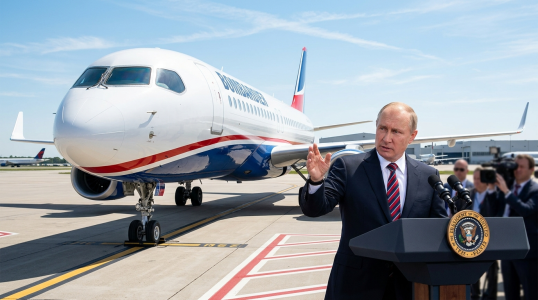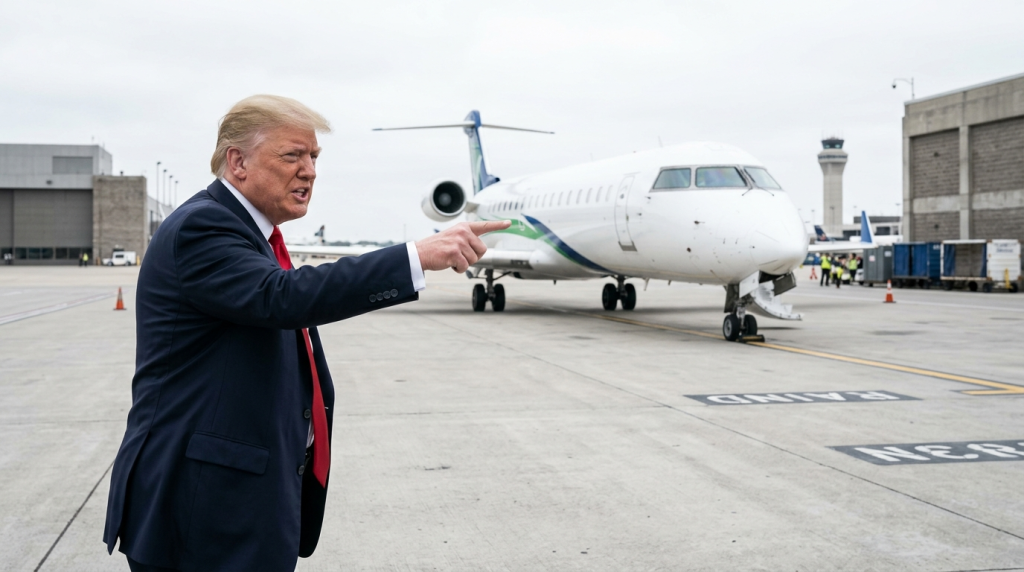
President Donald Trump threatened to block Bombardier aircraft sales just hours before Canada imposed retaliatory tariffs on $20 billion in U.S. goods.
The warning, posted on Truth Social, raised the stakes in a widening trade dispute between two closely linked economies. It also placed a major Canadian manufacturer near the center of the fight.
The timing matters. Canada’s tariffs were set to affect a large volume of American products, while Trump’s threat targeted a company with customers, suppliers and operations tied to the United States.
Table of Contents
ToggleA New Pressure Point in the Trade Dispute
Trump’s post threatened to “ban Bombardier aircraft sales,” adding aviation to an expanding list of industries exposed to trade action.
The statement did not provide details about how such a ban would work. It also did not explain whether the restriction would cover every Bombardier aircraft, new orders or completed sales.
A social media threat does not automatically create federal policy. Any sales restriction could require action from regulators or other agencies. Its reach would depend on the legal authority used.
Still, presidential statements can affect business planning before formal rules appear. Aircraft orders involve long production schedules, financing agreements and regulatory reviews. Even uncertainty can delay decisions.
Why Bombardier Matters
Bombardier is a Canadian aircraft producer known for business jets. Its products serve corporate, charter and private aviation customers, including buyers in the United States.
Targeting aircraft could carry costs on both sides of the border. A restriction might hurt Bombardier, but it could also affect U.S. buyers, maintenance providers, suppliers and workers connected to aircraft operations.
The dispute presents several immediate questions:
- Whether the administration will turn the Truth Social threat into a formal order.
- Which Bombardier products or transactions could face restrictions.
- How Canada might respond to an aircraft sales ban.
- Whether companies will delay purchases while awaiting clear rules.
Bombardier could face reduced access to a key market if the threat becomes policy. U.S. customers, meanwhile, could have fewer aircraft choices. Trade disputes have a habit of sending invoices to people outside the argument.
Canada’s Tariffs Add Economic Risk
Canada’s retaliatory tariffs cover $20 billion in U.S. goods. The measures represent a direct response in the broader trade confrontation, rather than an isolated aviation dispute.
Supporters of aggressive trade action may view the Bombardier warning as leverage. By threatening a prominent Canadian company, the administration could seek concessions or pressure Ottawa to reconsider its tariffs.
Critics may argue that adding aircraft restrictions would deepen uncertainty and invite further retaliation. That cycle could raise costs for businesses and consumers while placing cross-border investment at risk.
The conflict also shows how quickly tariff disputes can move from broad policy to individual companies. Bombardier now faces a public threat, but other manufacturers may watch for signs that they could be singled out next.
What Comes Next
The next test is whether Trump’s statement produces formal government action. Regulatory notices, agency guidance or an executive order would offer more certainty about the threat’s scope.
Canada’s response will also shape the outcome. Ottawa could seek talks, challenge any restriction or answer with additional measures. Businesses on both sides will likely press for clarity before making large purchases.
For now, the $20 billion tariff package is the concrete step, while the Bombardier ban remains a presidential threat. The gap between those two facts is where markets, manufacturers and policymakers must operate.
If the threat becomes policy, aviation could become a new front in the U.S.-Canada trade fight. If it remains a negotiating tactic, the episode will still show how a single post can unsettle an industry within hours.