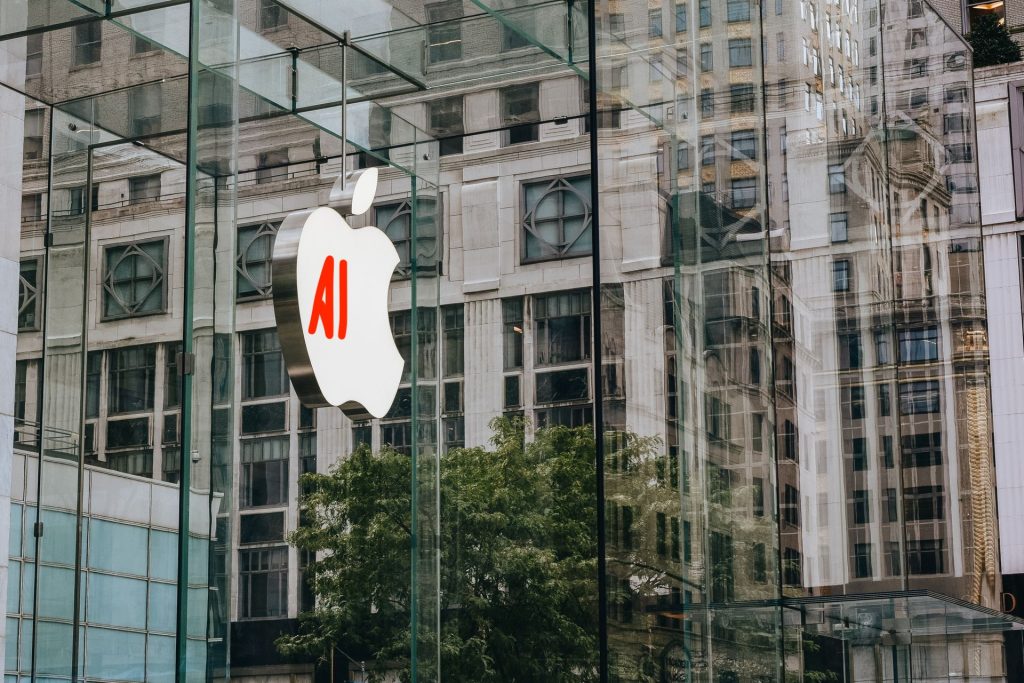
On Fox Business’s The Claman Countdown, Motley Fool Asset Management portfolio manager Shelby McFaddin weighed how Alphabet’s surge in artificial intelligence spending could hit profits and why Apple’s market strategy still leans on patience over flash. The discussion centered on how two of the world’s most valuable companies are trying to hold investor trust while they fund their next acts.
Alphabet is pouring money into data centers, custom chips, and AI models. Apple is pushing services and careful product cycles. Both moves could set the tone for tech stocks through year-end, as investors judge whether hype is finally meeting cash flow.
Table of Contents
ToggleAlphabet’s AI Bill Comes Due
Alphabet has signaled that capital spending will stay high as it builds capacity to train and serve large AI models. Data centers, power, and networking are expensive. That bill does not vanish just because demand is strong. The near-term effect is clear. High capital intensity can pressure free cash flow and, in some quarters, squeeze operating margins.
The company is trying to monetize AI across ads, cloud, and productivity tools. Google Cloud is packaging AI services for enterprises. Search is adding more generative answers. Workspace is pushing AI assistants. Each push aims to offset the higher cost of computing that advanced models require.
The open question is timing. If AI features increase user satisfaction but reduce ad clicks, the model must adapt. If they speed enterprise adoption in Cloud, margins could improve as scale kicks in. Investors will watch whether pricing keeps pace with the cost of inference, especially for consumer-facing products where tolerance for new fees is thin.
Risk and Reward for Google’s Core
Search funds much of Alphabet’s growth. Any shift to generative answers changes how users interact with results and ads. That could be a headwind or a fresh canvas. McFaddin pointed to the tradeoff between leading on AI and keeping the cash engine healthy. The company needs to prove that smarter answers still support strong ad yield.
On the enterprise side, AI spending can be a tailwind. Companies want better summarization, code tools, and customer support bots. If Google Cloud can attach high-value AI features and keep customers loyal, it can justify heavy investment and push margins higher over time.
Apple Plays for Stickiness, Not Sizzle
Apple’s strategy remains measured. Its strength is an installed base that keeps buying services. App Store fees, iCloud, Apple Music, and AppleCare bring steady, high-margin revenue. That helps smooth hardware cycles and gives Apple time to roll out new features at its own pace.
On-device AI fits Apple’s playbook. Privacy framing and tight hardware-software integration can support premium pricing. The next iPhone cycle will test whether AI features, battery life, and camera upgrades are enough to prompt upgrades without big discounts. Services growth and buybacks add support in the background.
Markets also watch Apple’s geographic mix. Supply chain shifts and growth in emerging markets matter for unit volume and margins. A careful approach can protect profitability, though it may limit headline-grabbing leaps.
What Investors Are Watching
- Capex and returns: Whether Alphabet’s spending curve flattens and how quickly ROI shows up.
- AI monetization: Pricing for enterprise AI, ad yield in search with generative answers, and Workspace attachment.
- Regulatory risk: Antitrust scrutiny can affect ad practices and App Store policies.
- Upgrade cycles: iPhone replacement rates, especially if AI features move the needle.
- Margins: Google Cloud scale gains and Apple services mix shift.
Signals That Could Shift Sentiment
For Alphabet, watch unit economics of AI inference. If model efficiency improves and hardware utilization rises, operating leverage can turn a cost story into a profit story. Clear disclosures on AI-related revenue would also help the market value progress rather than promise.
For Apple, services growth and gross margin trends carry weight. A steady climb in average revenue per user suggests that the ecosystem is doing its job. If AI features drive higher engagement without higher costs, that is a bonus.
Both companies face the same test. Can they convert AI buzz into durable cash flow without shaking their core models? McFaddin framed it as a balance between ambition and discipline, a theme investors have heard before but now must score quarter by quarter.
The next milestones include product launches, capital spending updates, and any hints on AI pricing. If execution lines up, today’s heavy spending can look wise in hindsight. If not, margin slippage will speak louder than promises. For now, the race is on, and patience has a price.
Image: Tim Gouw; Pexels