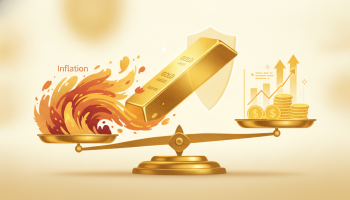
As inflation worries linger, investors are watching gold to see whether it still serves as a shield. In global markets today, the metal’s moves are closely watched because price trends often reveal how it responds when living costs rise.
“Trends in gold prices could indicate whether the asset can protect against inflation. Here’s a look at how the precious metal is doing today.”
The question is urgent. Central banks are weighing rate paths, the dollar is shifting, and households are coping with higher bills. Traders want to know if gold will hold its value, or if other assets will do better in a stubborn inflation cycle.
Table of Contents
ToggleWhy Inflation Matters for Gold
Gold does not pay interest, so its appeal grows when inflation erodes cash and bond returns. When real yields fall, gold often looks more attractive. When real yields rise, the metal can lag.
Currency moves also matter. A stronger dollar can pressure gold prices for non-U.S. buyers. A weaker dollar can support demand. Add in fear, and the picture gets sharper. During periods of stress, investors often buy gold as insurance.
What History Shows
The 1970s feature as the classic case. As inflation surged, gold rallied hard. That episode helped build gold’s reputation as a store of value. But the early 1980s brought high interest rates to crush inflation, and gold struggled.
In the 2000s, gold climbed alongside commodity booms and financial shocks. After the financial crisis, stimulus drove demand for hedges. Then came a long pullback as the expansion matured and rates crept up.
During the pandemic, gold advanced as economies shut down and governments spent big. Since then, the path has been choppy. Inflation spiked, but rising policy rates lifted real yields, which tugged at gold’s appeal. The record highs seen in recent years show strong demand, yet the swings highlight that timing matters.
Signals Markets Are Watching
Analysts say several forces shape the day-to-day picture. Together, they help explain whether gold can keep up with the cost of living.
- Real interest rates: Lower real yields usually support gold; higher ones can weigh on it.
- Dollar strength: A rising dollar often pressures prices; a weaker dollar can lift them.
- Central bank buying: Some central banks have added to reserves, offering a backstop.
- ETF flows: Inflows can flag retail and institutional demand; outflows can signal caution.
- Geopolitical risk: Conflict or sanctions can spark safe-haven bids.
Does Gold Hedge Inflation?
Over very long periods, gold has kept pace with general prices, protecting purchasing power across decades. In shorter windows, the link is mixed. There are times when inflation rises and gold stalls, especially when rate hikes lift real yields.
Studies show the hedge works best across long horizons and during acute inflation shocks. Day-to-day, other forces can dominate. That is why a steady inflation hedge can look shaky in a single year, but stronger across a generation.
How Investors Are Positioning
Portfolio builders often use gold as part of a broader safety plan, not as the only shield. A small allocation can reduce drawdowns when stocks sell off or when inflation surprises.
Some prefer physical bars and coins for direct ownership. Others pick ETFs for liquidity. A few use miners for leverage, but that adds company risk and equity swings.
Costs matter. Storage, insurance, and fund fees can eat into returns. Taxes can differ by region and product type. Spreads on coins can be wide in stressed markets.
What Could Move Prices Next
Upcoming inflation readings, wage data, and central bank meetings will shape real yields. Any turn in the dollar could shift demand. Fresh geopolitical shocks could light a safe-haven spark. On the other hand, a clean disinflation path and steady growth could cool interest.
For now, traders are treating gold as both a hedge and a barometer. If real yields slip and inflation proves sticky, the metal could find support. If policy stays tight and growth holds, the bid may fade.
The takeaway is simple. Gold can help guard buying power over long stretches, but it is not a perfect short-term shield. Watch real yields, the dollar, and central bank signals. Those cues will likely decide whether today’s moves confirm the hedge—or challenge it in the months ahead.