Think about the last time you actually opened your wallet to pay. For a growing number of people, the answer is “I can’t remember.” Tap-to-pay and mobile wallets have made the physical wallet increasingly optional, and in 2026 the shift is accelerating. The leather billfold is not gone yet, but its days as a daily necessity are clearly numbered.
Table of Contents
ToggleHow We Got Here
Contactless payments went from novelty to default in just a few years. A tap of your phone or card is faster than inserting a chip, and once people get used to the speed, they rarely go back. Mobile wallets then added loyalty cards, transit passes, boarding passes, and even digital IDs, turning the phone into a do-everything payment device. What started as a convenience became a habit, and habits are hard to reverse.
“We always overestimate the change that will occur in the next two years and underestimate the change that will occur in the next ten.”
Bill Gates wrote that in 1996, as Inc. highlights. The disappearing wallet is a perfect example — the change felt slow year to year, then suddenly cash and cards felt optional, and a phone tap became the norm.
How Tap-to-Pay Actually Works
It helps to understand what happens in that one-second tap, because the mechanics explain why it is often safer than swiping a card. When you tap, your phone or card does not transmit your real card number. Instead, it sends a one-time, encrypted “token” that stands in for your account. Even if a thief intercepted it, the token is useless for future purchases. Mobile wallets add another layer by requiring your fingerprint, face, or PIN to authorize the payment. So the convenience is not a security trade-off — in many ways it is an upgrade over handing a clerk your physical card.
What You Gain
Going walletless has real upsides:
- Faster checkouts with a single tap of your phone or watch.
- Tokenized transactions that hide your real card number from merchants.
- Biometric authorization that makes a stolen device far harder to misuse.
- Everything — cards, passes, tickets, IDs — consolidated in one place you rarely lose.
- Instant card freezing and digital replacement if something does go wrong.
What You Should Still Watch
Convenience comes with a few trade-offs worth managing:
- A dead phone battery can leave you unable to pay, so keep a backup card somewhere.
- Frictionless spending makes it easier to overspend without feeling it.
- Not every merchant accepts contactless yet, especially small or rural businesses.
- Going fully cashless can be problematic during emergencies or outages.
The Psychology of Painless Spending
There is a real behavioral catch to tapping. Decades of research show that the less physical and tangible a payment feels, the more freely people spend. Handing over cash hurts a little; tapping a phone barely registers. That frictionlessness is great for merchants and not always great for your budget. The fix is not to abandon tap-to-pay but to add back a little intentional friction: turn on transaction alerts so every tap pings your phone, review your spending weekly, and keep a budget you actually check. Awareness restores the “pause” that cash used to provide.
Is It Actually Safe to Go Mostly Digital?
A reasonable worry about abandoning cash and physical cards is security, but in many respects tap-to-pay is safer than the alternatives. Because a tap transmits a one-time token rather than your real card number, a compromised terminal cannot harvest your actual account details. Mobile wallets add biometric authorization — your face or fingerprint — so a stolen phone is far less useful to a thief than a stolen physical card, which anyone can swipe.
And if your phone is lost, you can freeze cards and disable the wallet remotely in seconds. That said, digital payments are not risk-free, and the smart move is to manage the specific risks: keep your phone locked with a strong passcode and biometrics, enable remote-wipe features, and watch for the social-engineering scams that target digital wallets.
The Cashless Society Debate
As cash fades, a genuine societal debate has emerged that is worth understanding even as you enjoy the convenience. A fully cashless world raises real concerns:
- Access and inclusion: Millions of people are unbanked or underbanked and rely on cash, so an all-digital economy risks leaving them behind.
- Privacy: Cash is anonymous; digital payments create a record of everything you buy.
- Resilience: Power outages, network failures, or breaches can leave purely digital systems temporarily unusable.
- Dependence on intermediaries: Every digital payment relies on banks and processors, adding fees and points of control.
These are not reasons to avoid tap-to-pay, but they are reasons many people and policymakers argue cash should not disappear entirely. Keeping some cash on hand for emergencies remains sensible regardless of how digital your daily life becomes.
Finding Your Own Balance
The practical answer for most people is not to pick a side but to find a personal balance. Use tap-to-pay and mobile wallets for the speed and security they offer in everyday life, but keep a backup card and a little cash for the situations where digital fails — a dead battery, an outage, a cash-only vendor, an emergency. Stay mindful of the spending psychology so convenience does not quietly inflate your budget. Going mostly walletless is a genuine upgrade in convenience and often in security, and you can capture those benefits while keeping a sensible safety net.
Why a Small Analog Backup Still Matters
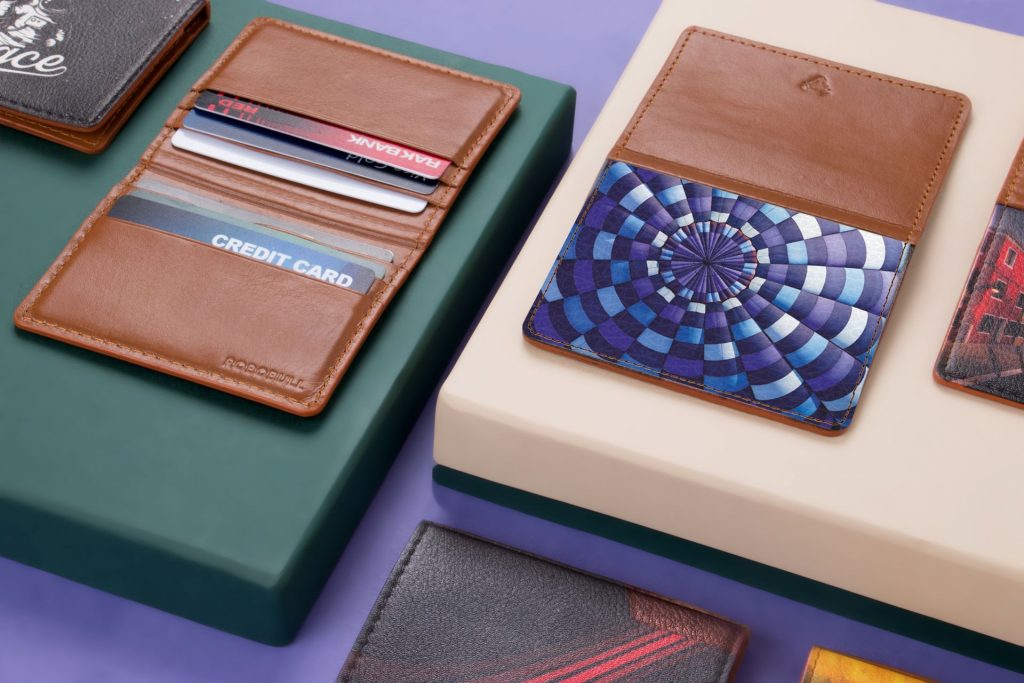
Even as the physical wallet fades, keeping a minimal backup is wise. A single card and an ID stashed somewhere covers you when your battery dies, a terminal is down, or you hit a cash-only vendor. The goal is not purity — it is convenience with a safety net. Think of it as carrying an umbrella: most days you will not need it, but you will be very glad to have it on the day you do. A small amount of cash also helps in genuine emergencies, when networks or power may be down, and digital payments simply will not work.
None of this contradicts going mostly digital; it just acknowledges that no single payment method is perfect for every situation. The people who navigate the shift best are not the purists at either extreme, but the pragmatists who tap for nearly everything while keeping a sensible fallback for the rare moments technology lets them down.
The Bottom Line
The physical wallet is not dead, but it is clearly fading, and the convenience and security of tap-to-pay are hard to argue with. Embrace the speed, appreciate the tokenized protection, keep a small backup payment method, and stay mindful that easier spending can quietly inflate your budget. Manage that one psychological catch, and going mostly walletless is a genuine upgrade. For more on how money is changing, see our finance coverage.
Image Credit: Rann Vijay; Pexels