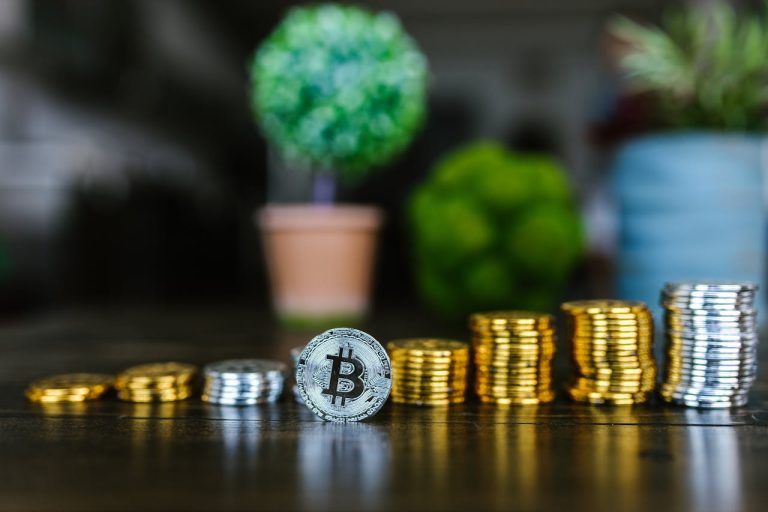
Cryptocurrency grabs headlines for wild price swings, but the corner of the market quietly reshaping real-world payments is the boring one: stablecoins. These digital tokens are designed to hold a steady value, usually pegged to the U.S. dollar, and in 2026 they have grown too big to ignore. Whether or not you ever buy one, they are becoming part of the financial infrastructure around you.
Table of Contents
ToggleHow Big Stablecoins Have Become
The total stablecoin market reached a record of roughly $322 billion in 2026 — a value that, as CoinDesk notes, now exceeds the foreign exchange reserves of 95 countries. The market has roughly doubled over two years, driven less by speculation than by payments, remittances, and trading settlement. When a financial instrument grows that large that fast on the back of actual usage, it has moved beyond hype into infrastructure.
“The one thing that’s missing, but that will soon be developed, is a reliable e-cash.”
Economist Milton Friedman said that in a 1999 interview, a prediction so prescient that CoinDesk credits him with anticipating digital currency. Stablecoins are arguably the “reliable e-cash” he imagined — dollars that move at internet speed, any time, anywhere.
What Exactly Is a Stablecoin?
A stablecoin is a digital token designed to stay worth a fixed amount, almost always one U.S. dollar. The idea is to combine the speed and borderlessness of cryptocurrency with the stability of a normal currency. How they maintain that peg varies, and the differences matter enormously for safety:
- Fiat-backed: Each coin is backed by real dollars and equivalents held in reserve. The largest and most trusted coins work this way.
- Crypto-backed: Backed by other cryptocurrencies, over-collateralized to absorb volatility.
- Algorithmic: Maintain the peg through code and incentives rather than reserves. These have historically been the riskiest, and some have collapsed.
Why People Actually Use Them
Beyond the hype, stablecoins solve concrete problems:
- Cross-border transfers that settle in minutes rather than days, often at a far lower cost than wires.
- A dollar-denominated savings option for people in countries with unstable local currencies.
- Fast, around-the-clock settlement for businesses and crypto traders.
- A bridge in and out of crypto markets without having to convert back to a traditional bank account each time.
For someone sending money to family overseas, the difference between a slow, expensive wire and an instant, low-cost stablecoin transfer is not theoretical — it is real money and real time saved.
How Stablecoins Are Used in the Real World
To understand why stablecoins have grown so large, it helps to look at the concrete problems they solve. The most powerful use case is cross-border money movement. Sending money internationally through traditional banks can take days and incur significant fees.
A stablecoin transfer can settle in minutes for a fraction of the cost, which is transformative for migrant workers sending money home and for businesses paying overseas suppliers. In countries with high inflation or unstable currencies, people use dollar-pegged stablecoins as a way to hold value that does not evaporate.
Crypto traders use them as a stable home base between trades without cashing out to a bank. None of this depends on betting that a coin’s price will rise — the appeal is precisely that it does not move.
The Risks Worth Understanding
Stablecoins are not risk-free, and “stable” is a goal, not a guarantee:
- A coin is only as good as its reserves; some are far better backed and audited than others.
- Regulation is still evolving and could reshape which coins survive and how they operate.
- Holding stablecoins is not the same as an FDIC-insured bank deposit — there is no government backstop.
- Technology and custody risks apply, just as with any crypto asset.
What to Watch as the Market Matures
Stablecoins are at an inflection point, and a few developments will shape whether they become safer and more mainstream or hit roadblocks:
- Regulation: Clearer rules on reserves, audits, and issuer oversight are emerging and will likely favor well-backed coins while squeezing out weaker ones.
- Reserve transparency: The strongest issuers publish regular attestations of their backing; treat opacity as a warning sign.
- Bank and payment integration: As major financial institutions build stablecoin capabilities, the line between crypto and traditional finance blurs.
- Yield offers: Be cautious of platforms promising high returns on stablecoin deposits, which add risk beyond simply holding the coin.
Where Regulation Is Headed
Governments and central banks are paying close attention precisely because stablecoins have grown so large. Clearer rules around reserves, audits, and issuer oversight are taking shape, which will likely make the leading coins safer and more mainstream while pushing weaker ones out.
For consumers, more regulation is generally a good thing — it increases the odds that a coin labeled as worth a dollar is actually backed by one. Keep an eye on how the rules develop, because they will determine which stablecoins endure and how they can be used.
Should You Actually Use One?
For most everyday savers, there is no urgent need to rush into stablecoins, and a normal bank account remains the right home for everyday money. But if you send money internationally, work in crypto markets, or want to understand where payments are heading, they are worth learning about.
If you do use one, stick to the largest, fully reserved, regularly audited coins, keep amounts modest until you are comfortable, and never mistake a stablecoin for an insured bank deposit. Approached with that caution, stablecoins are a genuinely useful tool; approached carelessly, they carry real risk. The smart stance is informed curiosity rather than either blind enthusiasm or reflexive dismissal.
Why This Matters Even If You Never Buy One
You might reasonably decide that stablecoins are not for you, and that is a perfectly sound choice. But it is still worth understanding them, because they are increasingly woven into the financial system whether or not you hold any directly. Major payment companies and banks are building stablecoin capabilities, businesses are using them to settle transactions behind the scenes, and the technology is influencing how fast and cheaply money can move for everyone.
In that sense, stablecoins are a bit like the plumbing behind a faucet: you do not need to understand every pipe to benefit from running water, but knowing the basics helps you recognize what is happening when the industry shifts.
As dollar-pegged digital tokens become a larger part of global payments and remittances, a working understanding of what they are, how they stay stable, and where their risks lie is simply part of being financially literate in 2026 — even for someone who never opens a crypto wallet.
The Bottom Line
You do not need to buy stablecoins to recognize that they are becoming real financial infrastructure, woven into payments, remittances, and trading. If you do explore them, stick to well-known, fully reserved, audited coins, understand that they are not insured deposits, and never treat them as a risk-free substitute for a bank account.
The technology Milton Friedman imagined decades ago has arrived — the smart move is to understand it rather than ignore it. For more, see our cryptocurrency coverage.
Image Credit: Pexels