I spend my days helping people make sense of markets and risk. I’m Taylor Sohns, CEO of LifeGoal Wealth Advisors and a CIMA and CFP. Few things enrage regular investors more than the idea that someone with secret information is lining their pockets while the public is left in the dark. The recent pattern of massive oil trades placed minutes before sensitive U.S.–Iran announcements raises a hard question: are confidential decisions leaking out of Washington and into trading desks?
The pattern is a loud alarm. Traders bet billions against oil right before announcements on attacks, ceasefires, shipping lanes, and peace talks. No one has been proven guilty. But the timing looks less like luck and more like information that never should have reached the market. If that’s true, it is not just a market crime. It is a national security risk.
Table of Contents
ToggleWhat Set Off the Alarm
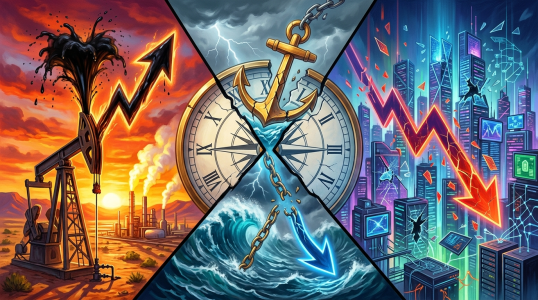
Oil markets move fast when war news hits. The dates and figures in this string of trades suggest foreknowledge of sensitive moves. The scale is staggering, and the timing is razor-thin.
“March 23, traders bet over $500,000,000 that oil prices would fall just fifteen minutes before Trump announced he would delay attacks on Iran’s power grid.”
“April 7, $960,000,000 in bearish oil bets before Trump announced the ceasefire.”
“April 16, another $760,000,000 of bets against oil twenty minutes before Iran said the Strait of Hormuz was open.”
“April 21, $430,000,000 placed fifteen minutes before Trump extended the temporary peace deal.”
“May 6, oil futures started tanking an hour before the reports that the U.S. and Iran were nearing a new peace deal.”
Each of these trades was positioned to profit if oil fell. Each landed minutes before a news event expected to push prices lower. If these events involved classified or closely held decisions, access to that information would be improper for trading. The pattern invites scrutiny from regulators and national security officials.
View this post on Instagram
Why This Matters To Every Investor
Markets run on trust. If people think rules apply only to the well-connected, they pull back or they take risks they don’t understand just to keep up. Either way, confidence gets damaged. That hurts investors saving for college and retirement, not just professionals in glass towers.
These kinds of allegations hit on three fronts:
- Fairness: Trading on secret government decisions tilts the field against regular investors.
- Law: Insider trading is illegal when it uses material, nonpublic information in breach of a duty.
- Security: If leaks involve war plans, it puts lives and missions at risk.
How Insider Trading Works in Plain Terms
Insider trading is using material nonpublic information to trade a security in a way that breaches a duty of trust. Material means a reasonable investor would care. Nonpublic means it has not been distributed broadly.
In corporate cases, this can be an executive tipping a friend before earnings are released. In government cases, it can be a staffer or contractor leaking news of sanctions, ceasefires, or policy changes. The U.S. bans trading on misappropriated government information. The duty flows from the person trusted with the secret. If that person shares it and someone trades on it, both can face charges.
Oil adds a twist. Traders can use futures, options, ETFs, and swaps. That makes sizing and tracing more complex. But every futures contract, option, and block trade still leaves a trail with exchanges, brokers, and clearing firms.
The Timeline That Raises Eyebrows
Let’s lay out what’s reported about the trades and the news that followed. Each trade anticipated a drop in oil prices.
- March 23: Over $500 million in bearish oil bets, 15 minutes before a delay in planned U.S. action against Iran’s power grid.
- April 7: $960 million in negative oil positioning before a ceasefire announcement.
- April 16: $760 million against oil, 20 minutes before Iran said the Strait of Hormuz was open.
- April 21: $430 million short, 15 minutes before an extension of a temporary peace deal.
- May 6: Oil futures fell sharply an hour before reports of progress on a new peace deal.
Could these be coincidences? Markets sometimes “buy the rumor, sell the news.” But five strikes with this precision and size are hard to chalk up to rumor alone. Someone needs to explain who placed these trades, on which venues, through which intermediaries, and with what knowledge.
Could This Be Legal Trading?
It is possible to trade lawfully before news if you rely on public information or your own analysis. Examples include satellite images of tanker traffic, shipping logs, open-source chatter, or models that read volatility and options flow. Large funds also use algorithms that react to patterns in order books and spreads.
But lawful trading has guardrails. If the trader knew of a confidential decision through a leak, that is illegal. If a government insider tipped a friend, that is illegal. If a consultant passed along nonpublic briefings, that is illegal. Legality turns on the source of the information and on whether there was a duty not to share it.
Investigators look at intent and access. They compare timing, communications, and links to officials who had knowledge. They seek travel logs, call records, and messaging on personal devices. They match orders to identities and affiliates. One “lucky” trade can be random. A string of well-timed, nine-figure bets is evidence that demands answers.
Why This Edges Into National Security
Leaks about ceasefires, military strikes, or shipping lanes are not just market-moving. They can shape enemy behavior. If adversaries know we plan to pause or strike, they can reposition assets or provoke a response. That puts service members and civilians at risk.
Money is a magnet. If confidential plans can be turned into fast cash, someone along the chain may be tempted. The more desks that know early, the wider the exposure. Effective controls reduce the circle of knowledge, log access, and track unusual behavior. When that breaks down, it’s not just Wall Street that gets hurt.
What a Serious Investigation Should Do
Regulators and national security teams need to act in concert. Here is what a thorough response looks like:
- Trace the orders: Identify the accounts, beneficial owners, and related entities behind the trades.
- Map the timing: Reconstruct minute-by-minute orders and link them to internal briefing schedules.
- Follow communications: Review calls, texts, emails, and messaging apps of those with access to decisions.
- Lift the trading veil: Get data from exchanges, brokers, and clearinghouses across futures, options, and swaps.
- Secure logs: Lock down visitor records, badge swipes, and document access in relevant agencies.
- Coordinate: Bring in the SEC, CFTC, DOJ, and intelligence services to share signals and evidence.
Investigations like this have succeeded before. The SEC and DOJ have broken rings that used expert networks, corporate leaks, and stolen press releases. The CFTC has tracked spoofing and manipulation through order book data. The tools exist. What is needed is urgency and clear accountability.
What History Teaches Us
We have seen suspicious trading around big events. Airline and insurance trades before 9/11 drew attention, though many cases lacked proof of wrongdoing. During the early months of COVID, officials’ stock sales prompted ethics reforms. In insider cases like SAC Capital, authorities followed the “too right for too long” pattern and built cases through wiretaps and cooperating witnesses.
Patterns matter. Repetition builds a case that goes beyond chance. Money flows leave fingerprints. If these oil trades follow a similar arc, the path to answers is there.
How Regular Investors Can Protect Themselves
I never want people to feel like honest investing is pointless. There are steps anyone can take to focus on what they can control.
- Use diversified funds instead of concentrated bets on events you cannot predict.
- Match your risk to your time horizon so a short-term shock does not derail long-term goals.
- Avoid chasing rumors or copying sudden moves in options or futures.
- Keep costs low and taxes efficient; small edges compound over time.
- Document your plan. Review it on a schedule, not when headlines are loudest.
Fair markets need strong rules. But personal discipline matters just as much. You do not need to beat speculators to reach your goals. You need a plan you can stick with.
Policy Fixes That Would Help
We cannot wish this risk away. We can make leaks harder to detect and faster to detect. Here are practical steps:
Tighten access to sensitive decisions. Shrink briefing lists. Use read-in protocols with watermarked documents. Track who opens what, when, and on which device.
Strengthen ethics firewalls. Expand and enforce rules that bar trading in securities linked to briefed policy areas. Add cooling-off periods for policymakers moving to funds that trade related assets.
Expand real-time surveillance. The SEC and CFTC should receive near-real-time alerts on large directional bets in markets tied to sensitive policy. Exchanges can flag unusual flows that cluster in minutes before scheduled announcements.
Raise penalties that fit the damage. If leaks involve national security, penalties should reflect both market harm and security risk. That includes longer sentences and higher fines for willful abuse of classified or protected data.
Improve whistleblower channels. Offer secure, fast reporting paths for staff who spot unusual access or odd trading chatter, with protection and rewards.
What These Trades Tell Us About Market Structure
Oil trades through multiple venues: CME futures, ICE Brent, options, OTC swaps, and related ETFs. A trader can spread exposure across them to hide size. But the clearing system still aggregates risk. With proper subpoenas and cooperation from foreign venues, investigators can assemble the picture.
News-sensitive trading also rides on high-speed infrastructure. Algorithms can act in milliseconds once a signal arrives. If the signal is a leak, speed becomes a weapon. That’s why the most critical fix is at the source: control information where it starts.
Calling For Answers Without Rushing to Judgment
No court has ruled on these trades. That matters. Markets should not convict by headline. At the same time, patterns like this demand daylight. The public deserves a clear record of who traded and why. If the trades were lawful, show the analysis, the models, and the public sources. If they were not, charge the people responsible and remove them from positions of trust.
I don’t accept a system where secrets move prices before citizens even learn the news. That corrodes faith in both markets and government. The fix starts with transparency and enforcement.
Here is the plain truth: when nine-figure positions appear minutes before war news, someone needs to answer for it. Either it was a string of lucky guesses based on public inputs, or it was a leak. One explanation restores trust. The other demands prosecutions and reforms.
We need to find out which it is, and fast.
Frequently Asked Questions
Q: What counts as insider trading in government-related markets?
Insider trading occurs when someone trades using material, nonpublic information in breach of a duty of trust. With government matters, that can mean acting on confidential policy or military decisions that have not been shared with the public. If a person with access to the information leaks it and another party trades on it, both can face charges.
Q: Could sophisticated analysis legally predict these oil moves?
It’s possible to place lawful bets using public data such as tanker tracking, weather, or supply reports. But five precise, massive trades minutes before sensitive announcements raise serious doubts. Investigators will examine the source of information, communications, and access to determine whether private knowledge was involved.
Q: What should individual investors do while this is investigated?
Focus on what you can control: diversify, keep costs low, and align risk with your goals and time horizon. Avoid chasing event-driven trades. A steady plan built on broad exposure and patience is more reliable than trying to outguess headlines or copy sudden options or futures moves.