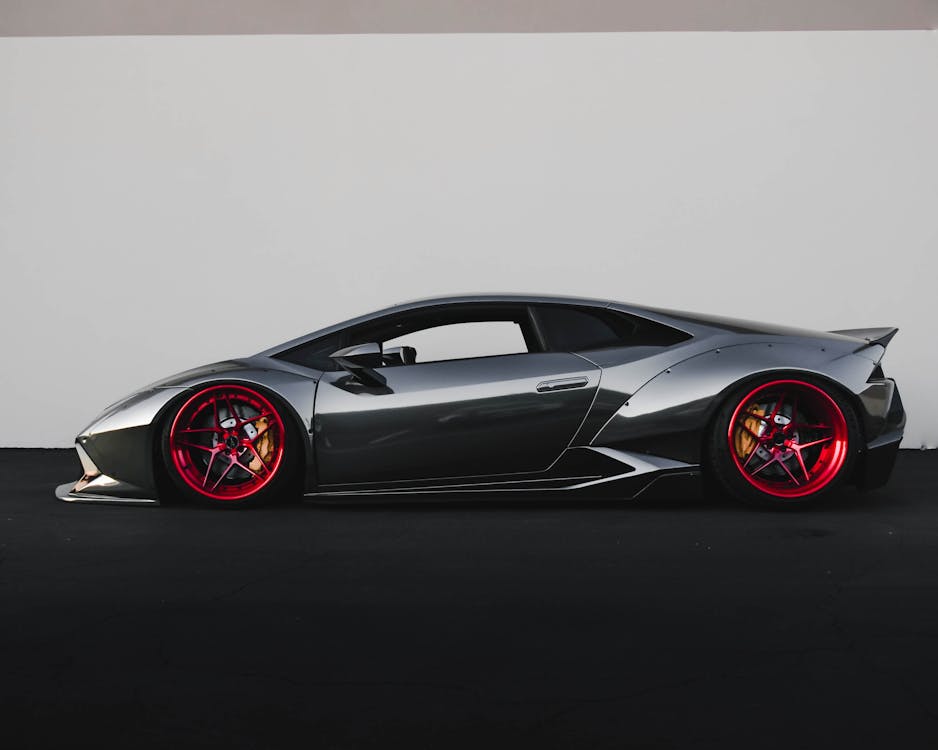
The wealthiest person I know personally drives a 2018 Toyota Camry. He owns three rental properties, has over $2 million in investment accounts, and could buy any car on any lot without blinking. He chooses not to, and his explanation is both simple and profound: “A car is a tool that takes you from one place to another. Everything beyond that is a payment to other people’s perception of you.”
That conversation rearranged how I think about money, status, and the difference between looking wealthy and actually being wealthy. And the more I studied the habits of genuinely rich people — not the Instagram version of rich, but the people with real, substantial, enduring wealth — the more I found that his approach was the rule, not the exception.
Table of Contents
ToggleThe Wealth Illusion
We live in a culture that equates visible consumption with financial success. Nice car, big house, designer clothes, expensive vacations — these are the signals we use to judge who has money and who does not. The problem is that those signals are almost perfectly inverted from reality.
The person leasing a $70,000 SUV might have a negative net worth. The person buying rounds at the bar might be maxing out a credit card. The couple who just renovated their kitchen might have raided their retirement accounts to pay for it.
Meanwhile, the person with $1.5 million in the bank is wearing jeans from Target, driving a paid-off Honda, and eating dinner at home. They do not look wealthy because they channeled the money that would create the appearance of wealth into building actual wealth.
This is not a new observation — the book “The Millionaire Next Door” documented it decades ago — but it bears repeating because the cultural pressure to spend for status has only intensified with social media. Every platform is designed to show you people living aspirational lifestyles, and the psychological pull to keep up is relentless.
The Math of Lifestyle Inflation
The mechanism that keeps high earners from building wealth is lifestyle inflation — the tendency to increase spending proportionally (or faster) as income grows. A $10,000 raise should accelerate wealth building. Instead, it usually gets absorbed by a nicer apartment, a better car, more dining out, and upgraded vacations.
Consider two people who both earn $100,000 per year. Person A spends $90,000 and saves $10,000. Person B spends $70,000 and saves $30,000. After 20 years of investing at a seven percent annual return, Person A has about $410,000. Person B has about $1,230,000. They earned exactly the same amount. The difference is entirely in spending decisions.
The gap gets wider as incomes grow. If Person B receives raises over the years and keeps spending at $70,000 while saving the difference, their accumulation accelerates dramatically. Person A, who upgrades their lifestyle with every raise, stays on the same slow trajectory regardless of how much more they earn.
This is why income is a poor predictor of wealth. The correlation between earning and accumulating is much weaker than people assume. The real predictor is the gap between earning and spending — and that gap is a choice.
What Actually Wealthy People Spend On
After studying the spending patterns of people I know who have built significant wealth, a clear pattern emerges. They spend freely on what matters to them and ruthlessly cut everything that does not.
One friend spends generously on travel — international trips, business-class seats on long flights, quality hotels. But she drives a ten-year-old car and lives in a modest house. Travel brings her joy and enriches her life. The car is transportation. The house is a shelter. She allocates accordingly.
Another friend spends very little on himself personally but funds his children’s education and activities without hesitation. His wardrobe is basic. His entertainment spending is minimal. His kids’ college accounts are fully funded.
The common thread is intentionality. Wealthy people do not spend less overall because they are cheap — they spend less on things they do not care about, so they can spend more on things they do care about and invest the difference. They have examined their own values and aligned their spending with those values rather than with social expectations.
The Status Tax
I think of unnecessary status spending as a tax — the status tax. It is the premium you pay for goods and services, not because they perform better, but because they signal wealth or taste to others.
A $300 watch tells time just as well as a $5,000 watch. A $30,000 car gets you to work just as reliably as a $60,000 car. A $2 coffee tastes nearly identical to a $6 coffee with a designer label on the cup. The difference in price is the status tax, and over a lifetime, it is enormous.
If you spent $500 a month less on status consumption — the car upgrade, the brand-name clothes, the visible luxury purchases — and invested that $500 at seven percent, you would have roughly $260,000 after 20 years. That is the real cost of caring what strangers think about your car.
I am not arguing that you should never buy nice things. I am arguing that you should buy them because they genuinely improve your life, not because they improve how other people perceive you. The distinction is everything.
Building Wealth the Boring Way
The actual wealth-building formula is anticlimactic. Earn a reasonable income. Spend significantly less than you earn. Invest the difference in diversified, low-cost index funds. Do this consistently for 20 to 30 years. That is it.
No one gets famous for this approach. No one writes viral social media posts about it. No one makes a documentary about the person who maxed out their 401(k) every year and retired comfortably at 60. But that person exists in enormous numbers, and they are far wealthier than the influencer showing off a rented sports car.
The boring approach works because it harnesses the only truly reliable wealth-building force: time and compound growth. A portfolio growing at 7% doubles roughly every 10 years. $100,000 at 35 becomes $200,000 at 45, $400,000 at 55, and $800,000 at 65. But only if you leave it alone and keep adding to it.
The wealth-building strategies that work in your 30s are the same ones that work at any age. They just work better the earlier you start.
How to Resist the Pressure
Knowing the right approach and actually following it are different things. The pressure to spend for status comes from everywhere — advertising, social media, peer groups, family expectations, and your own psychology.
Here are the tactics that work for me. First, I curate my information diet. I unfollowed accounts that showcase luxury consumption and followed accounts that discuss financial independence and intentional living. What you see shapes what you want, so be deliberate about what you see.
Second, I calculate the real cost of purchases in hours worked. A $200 dinner after taxes costs me about six hours of work. Is that dinner worth six hours of my life? Sometimes yes. Often no. This reframing makes spending feel real rather than abstract.
Third, I keep my financial goals visible. I have a spreadsheet that projects my net worth at five-year intervals. When I am tempted to make a large discretionary purchase, I consider what that money would become in 10 years if invested instead. Seeing the compound growth I would forfeit is a powerful deterrent against impulse spending.
Fourth, I surround myself with people who share my values around money. Peer influence is the strongest force in spending behavior. If your friends measure success by possessions, you will spend to keep up. If they measure it by freedom and security, you will save to keep up.
The Ultimate Status Symbol
The wealthiest people I know share one trait that no purchase can replicate: they have options. They can leave a job they dislike without panic. They can handle an emergency without debt. They can retire when they choose rather than when they must. They can help family members without compromising their own stability.
That kind of freedom is the real status symbol, even though nobody can see it from the outside. It does not fit on a bumper sticker or in an Instagram photo. But it is the thing that every person chasing visible wealth is actually searching for — the security and peace that come from knowing you are financially independent.
My friend with the Camry has that freedom. And if you asked him, he would tell you it is worth more than every luxury car on the road combined.
Related Reading
For the other end of the spectrum, see the expensive things rich people buy.